J&K Private Universities to Reserve 25% Seats, Jobs for Domicile Candidates Under New Rules
The Jammu and Kashmir government has notified the Private Universities Rules, 2026, making it mandatory for private universities to reserve at least 25% of seats for local domicile candidates. The reservation will also apply to teaching and non-teaching jobs.
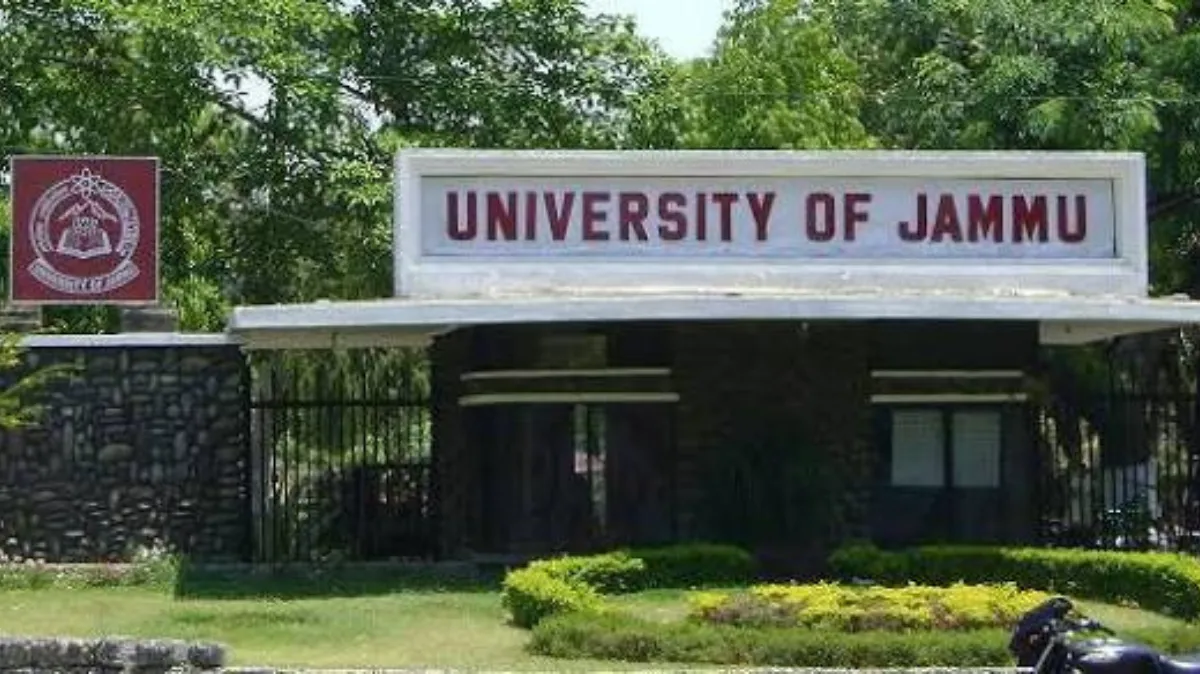
The Jammu and Kashmir government has notified the Private Universities Rules, 2026, introducing a mandatory reservation of at least 25% for local domicile candidates in private universities. The provision will apply to both student admissions and teaching and non-teaching jobs.
The new rules aim to expand higher education opportunities in the Union Territory while ensuring that local students and job seekers also benefit from the entry of private institutions. The framework is expected to encourage reputed national and international universities to establish campuses in Jammu and Kashmir.
Under the new provisions, private universities will have to reserve at least 25% of their student intake for candidates holding J&K domicile certificates. The same minimum reservation requirement will apply to appointments in teaching and non-teaching positions.
This means local candidates will have a specified share of opportunities in both higher education and employment as more private universities enter the region.
J&K Private University Rules 2026: Approval Process
The government has also introduced provisions to make the approval process easier for institutions planning to establish private universities in Jammu and Kashmir.
Under the new framework, applications will undergo preliminary scrutiny within 30 days. This is expected to make the initial approval process more predictable for institutions interested in investing in the region’s higher education sector.
The rules also provide for regulatory supervision to ensure that private universities follow the required academic, infrastructure and operational standards.
Regulatory Authority to Monitor Admissions and Fees
The new framework includes a regulatory mechanism to monitor the functioning of private universities. It will oversee admission procedures, fee structures and academic standards to ensure transparency and accountability.
Universities will also have to follow prescribed requirements related to infrastructure and faculty strength.
The government has introduced penalties for institutions that fail to comply with the rules. These include violations involving irregular admissions, collection of excess fees, issuing invalid degrees, inadequate infrastructure and shortcomings in faculty qualifications or strength.
The move is expected to strengthen the higher education system in Jammu and Kashmir by encouraging private investment while protecting the interests of local students and job seekers.
ALSO READ| School Assembly News Headlines (November 10, 2026): Top National, World, Education, Business News

Sahil Behl is an education journalist at Jagran with over a year of experience in journalism. Prior to joining Jagran, he worked as a Sub-Editor in NDTV’s Education department, where he was responsible for writing and editing education-related content as well as managing the department’s social media presence. At Jagran, he covers a wide range of education topics, including board examinations, school updates, admissions, and job notifications, while leveraging his editorial expertise and strong understanding of digital content strategy. Sahil holds a Bachelor’s degree in Business Administration and has also completed an eight-month certification program in Data Science. Passionate about emerging technologies, particularly artificial intelligence, he closely tracks their growing role in journalism and explores how they are transforming shaping the future of the media industry.


