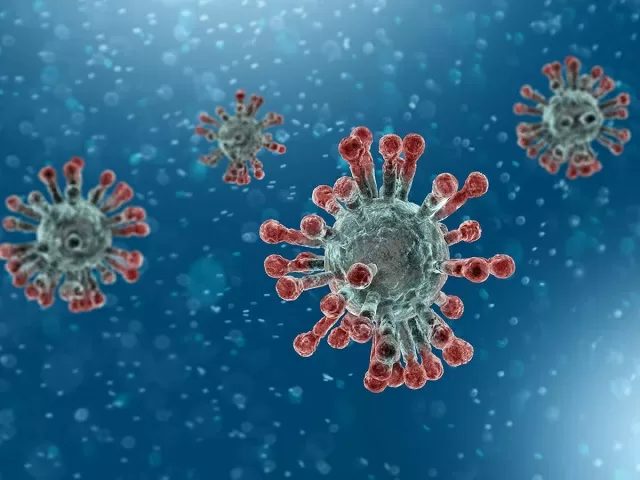
Researcher have identified synthetic mini-antibodies to combat COVID-19 in a scientific breakthrough. The SARS-CoV-2 infects cells through interactions between the viral spike protein and the human cell surface protein ACE2. The viral spike protein binds ACE2 using three finger-like protrusions called receptor-binding domains (RBDs) to enable the virus to hook to cell surface.
Therefore, blocking these receptors can possibly stop the virus from entering the human cells and this can be done by using antibodies. Research has revealed that mini-antibodies or nanobodies found in camels and llamas may work as promising tools against viruses due to their high stability and small size.
The main issue here is obtaining them from the animals, as it is a time-consuming process. However, technological advances now allow for rapid selection of synthetic nanobodies, called sybodies.
Recently, a lab of Markus Seeger at the University of Zurich developed a technology platform to select sybodies from large synthetic libraries. The technology was made available for this study.
Key Highlights
•A research group- EMBL Hamburg's Christian Low group searched various existing libraries to find best sybodies that could possibly block SARS-CoV-2 from infecting human cells.
•They first used the viral spike protein's RBDs as bait to select sybodies that could bind to them.
•Then they tested the selected sybodies as per their stability, effectiveness and precision of binding.
•Among the best sybodies, the researchers discovered that one called sybody 23 turned out to be most effective in blocking the receptors.
•The researchers properly analysed the binding of sybody 23 to the RBDs through small-angle X-ray scattering to understand exactly how it interacts with the virus receptors.
The RBDs mainly switch between two positions:
Up position: In this position, the RBDs poke out ready to bind ACE2.
Down Position: In this position, the RBDs are furled to hide from the human immune system.
The study of the molecular structures revealed that sybody 23 binds with the RBDs in both 'up' and 'down' positions perfectly and blocks the areas where the human cell surface protein ACE2 would normally bind.
Can sybody 23 neutralise COVID-19 virus?
The research group used a different virus called a lentivirus , modified that it carried SARS-CoV-2's spike protein on its surface, to test if sybody 23 can neutralise a virus.
The researchers observed that sybody 23 successfully disabled the modified virus in vitro. However, additional tests will be required to confirm whether the sybody can actually stop SARS-CoV-2 infection in the human body.



-1766578349393.jpg)
-1766576965412.png)
-1766571314890.jpg)
Comments
All Comments (0)
Join the conversation