What is Operation Checkmate? Key Details and Objectives Explained
What is operation checjmate. Discover what Operation Checkmate is, its key objectives, and why 36 semi-truck drivers including Indian nationals were arrested by the CBP in Yuma, Arizona.
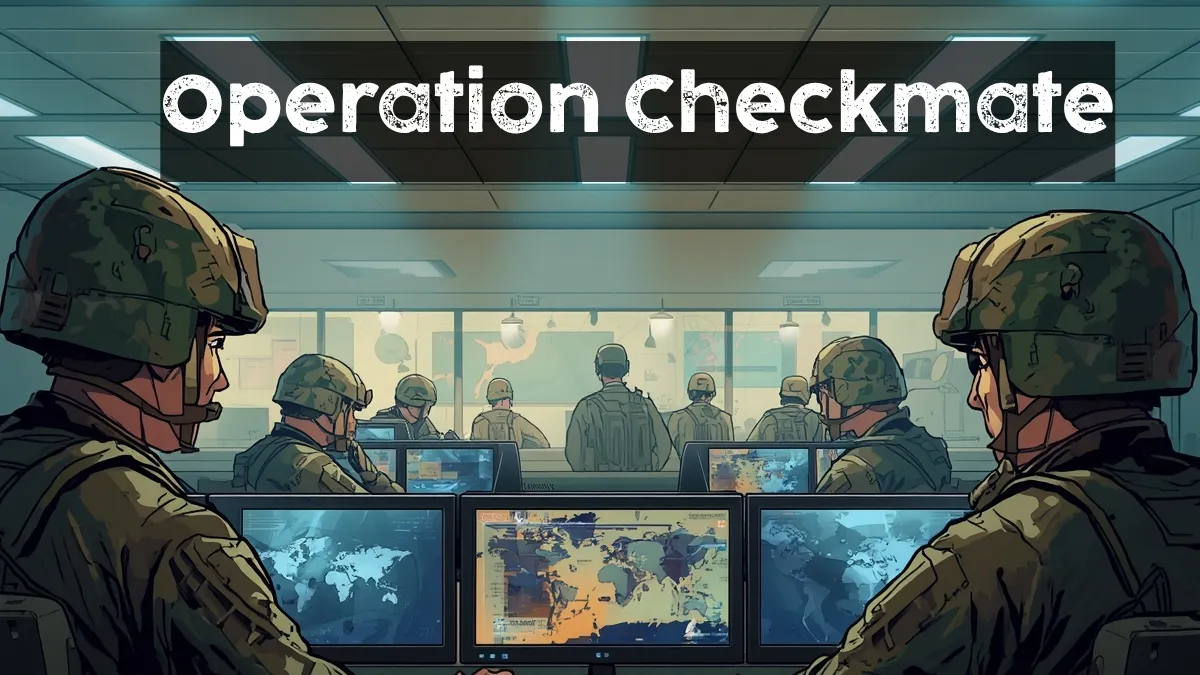
Operation Checkmate is launched by the United States to scrutinize commercial transportation sectors to plug security loopholes. A targeted enforcement initiative that has drawn significant international attention.
What is Operation Checkmate?
Operation Checkmate is a specialised multi-agency law enforcement initiative led by US Customs and Border Protection (CBP) along with local transportation authorities in the Yuma Sector, Arizona. The operation specifically targets the unlawful operation of commercial vehicles by individuals who lack the legal authorization to work or reside in the United States.
Key highlights of Operation Checkmate:
-
Location: Yuma Sector, Arizona, United States.
-
Agency: US Customs and Border Protection (CBP).
-
Total Arrests: 52 individuals detained during the targeted crackdown.
-
Primary focus on 36 semi-truck drivers operating heavy commercial vehicles illegally.
-
Fraudulent or expired Commercial Driver’s Licenses (CDLs) and lapsed work permits.
Objectives:
Operation Checkmate is a strategically planned crackdown aimed at addressing systemic vulnerabilities in the American transport sector.
Enhancing Road and Public Safety: Operating a semi-truck or a commercial heavy-goods vehicle requires rigorous training, medical clearances and valid legal standing by ensuring that only fully vetted, legally compliant drivers are behind the wheel of multi-ton vehicles to protect the lives of everyday commuters on US highways.
Cracking Down on Illegal Commercial Vehicle Operators: It is aimed to root out unauthorized employment within logistics networks, ensuring that commercial trucking companies adhere strictly to federal employment and licensing laws.
Why Were 30 Indian Truck Drivers Arrested in Arizona?
Under the Operation Checkmate there were 36 semi-truck drivers arrested out of which 30 individuals were identified as Indian nationals. The Yuma Sector in Arizona of US is a critical transit corridor where these drivers were intercepted because they were operating high-capacity commercial vehicles across state lines without the required legal status to do so.
It also highlights a growing trend of international nationals finding employment in the vast US logistics industry bypassing rigid immigration protocols sometimes.
Expiry of Employment Authorization Documents (EAD)
The Employment Authorization Document (EAD), commonly known as a work permit and the rules governing a Commercial Driver’s License (CDL).
Foreign nationals residing in the US under specific visa categories (or while awaiting asylum/immigration decisions) must possess a valid EAD to work legally which is mandatory.
A commercial driver's license is directly tied to the individual's legal presence and work authorization under the US Department of Transportation’s Federal Motor Carrier Safety Administration (FMCSA)
Once underlying EAD expires the Commercial Driver’s License effectively becomes invalid for employment making their operation of commercial semi-trucks illegal under federal law. The detained drivers had either allowed their EAD permits to expire or had their work authorizations revoked.
Deportation and Legal Action
The 52 individuals face structured legal and administrative procedures under US immigration law following their arrest in the Yuma Sector:
- Detention and Processing: Detained drivers are transferred to federal immigration holding facilities for formal processing.
- Case Review: Immigration judges evaluate whether the drivers committed active documentation fraud or simply overstayed their EAD validity.
- Removal Proceedings: Individuals without a lawful basis to remain in the US are placed into expedited deportation or formal removal proceedings to be sent back to their home countries.
- Employer Penalties: The logistics companies that employed these drivers face severe scrutiny and potential fines for failing to verify proper employment eligibility (Form I-9 compliance).
- Operation Checkmate is a visible manifestation of a broader and stringent approach to interior immigration enforcement under the current US administration.
The US Department of Transportation in tandem with the Department of Homeland Security (DHS), has tightened the final rules governing commercial licensing. There is a coordinated effort to prevent non-citizens with expired statuses from utilizing commercial industries as a safe haven for unauthorized work.
FAQ’s
Q: What is the 'Dalilah Law' mentioned in connection with illegal truck drivers in the US?
Ans: The Dalilah Law is a federal policy directive supported by the Trump administration designed to stop unauthorized immigrants from obtaining or keeping commercial driver's licenses. The crackdown intensified following several high-profile, fatal highway crashes in the US involving undocumented commercial truck drivers.
Q: What will happen to the individuals arrested under Operation Checkmate?
As:n According to the US official statement by the CBP all 52 individuals detained during the operation have been processed in accordance with US federal immigration law and are slated for formal deportation to their respective home countries.

Manisha Waldia is a distinguished content strategist with 5 years of experience crafting premium educational content for UPSC and State PCS, with a focus on deep conceptual analysis across Polity, Geography, History, and Environment. She currently brings this expertise to Jagran Josh, where she covers major national and international events, current affairs, and static general knowledge. Over her career, Manisha's specialized insights have led her to curate high-impact materials and serve as a UPSC Mains answer-evaluator for India’s top institutes—including Drishti IAS, Shubhra Ranjan IAS, Study IQ, GS Score, and PWonlyIAS. She has also worked alongside leading NGOs like Oxfam India and Avani Kumaon.
Contact: manisha.waldia@jagrannewmedia.com







