Which Mughal Emperor was known as The Great Builder?
Mughal emperors left behind magnificent architectural marvels like forts, mosques, and tombs, blending Persian, Islamic, and Indian styles. Learn about the "Golden Age" of Mughal architecture and discover which renowned ruler earned the nickname "The Great Builder."
Mughals not only ruled India with authority but also left behind architectural marvels. Between the 16th and 17th centuries, Mughal emperors built magnificent forts, beautiful gardens, grand mosques, and glorious tombs throughout the Indian subcontinent.
All three artistic influences Persian, Islamic, and Indian contributed to architectural forms known for their symmetry, intricate detail, domes, arches, and decorative inlay work. The Mughal-built structures served as royal homes or places of worship.
However, they represented power, aesthetic beauty, and cultural blending. As a result, Mughals invested an enormous amount of money on buildings because they wanted to show their power and leave a legacy. To this day, the greatest examples of Mughal architecture are visited by millions of people and demonstrate India's cultural and historical richness.
Check Out: Who Was the Last Mughal Emperor of India?
Which Mughal Emperor was known as The Great Builder?
Source: Wikipedia
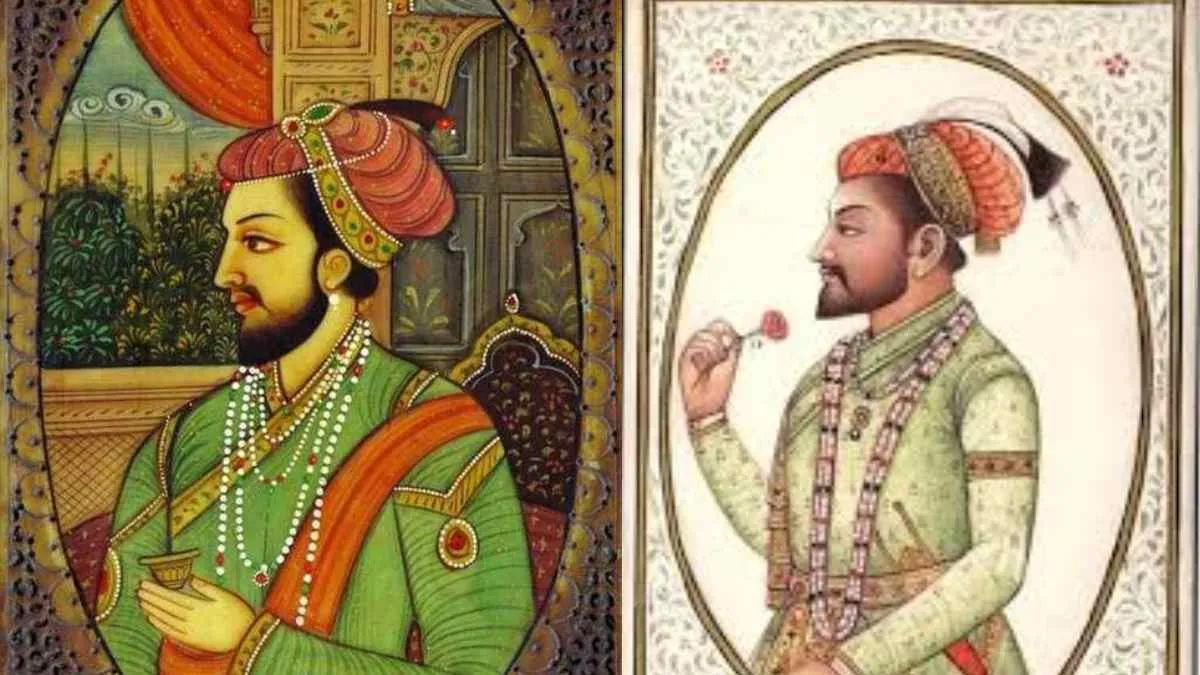
The renowned Mughal emperor by the nickname of "The Great Builder" was none other than Shah Jahan. He ruled the Mughal Empire from 1628 until 1658 AD and is well known for presiding over what is considered one of the greatest eras in Indian history regarding architecture, having commissioned a number of well-known structures, including the Taj Mahal, which was built to honor his wife Mumtaz Mahal.
The Taj Mahal, made of white marble, has become one of the seven wonders of the world and has been designated as a UNESCO World Heritage Site.
His other major constructions include the Red Fort located in Delhi, the Jama Masjid, and portions of Agra Fortress.
His reign is often referred to as the "Golden Age" of Mughal architecture because of its abundant use of symmetrical designs, intricate carvings, and beautifully finished white marble.
Why was Shah Jahan called the Great Builder?
Construction of the Taj Mahal
Construction of the Taj Mahal was completed as a tribute to Shah Jahan's loving wife, Mumtaz Mahal a white marble monument that has become one of the world's greatest architectural achievements.
Development of the Red Fort
The Red Fort in Delhi was commissioned by Shah Jahan to serve as the primary dwelling place for all future Mughal emperors and to represent the power and authority of the Mughal Empire.
Grand Mosques and Palaces
Shah Jahan also built the Jama Masjid the largest mosque in India and numerous palaces, gardens, and royal buildings throughout the empire.
Golden Age of Mughal Architecture
Shah Jahan presided during the zenith of Mughal architectural achievement as evidenced by its notable attribute of symmetry, dome design, archways, marble work, and intricate carvings.
Use of Fine Materials
He used a significant amount of white marble and other valuable stones to create the elegance and grandeur of Mughal architecture.

Ayukta Zisha is an education journalist with over three years of experience in digital media. A graduate of St. Xavier’s College, she holds a Master’s degree in English along with a certification in Digital Marketing from IIT Delhi. Backed by a strong academic foundation in the humanities, she specializes in creating educational and general knowledge content across history, geography, literature, and current affairs. During her tenure at Jagran Josh, she worked extensively on U.S. news and global developments, curating informative and engaging content for a diverse readership. Her subject expertise and ability to simplify complex topics enable her to make complex information accessible to a wide audience. Beyond journalism, Ayukta is an avid reader and a published author.