Which River Is Known As The Lifeline Of Assam?
Do you know which river is known as the Lifeline of Assam? This mighty waterbody is the widest in the country and shapes the world’s largest river island. Let’s discover the history, path, and vital importance of this legendary river.

Lifeline of Assam: Assam is known for its many large rivers. The state has more than 100 rivers and two main river basins: the Brahmaputra and the Barak. These rivers support life, but they can also be very powerful. Do you know which river is called the Lifeline of Assam? In this article, we will explore the history and importance of the river that sustains all of Assam.
ALSO READ: Which Is The Largest River In India?
Which River is known as the Lifeline of Assam?
The Brahmaputra River is known as the Lifeline of Assam. It is one of the largest rivers in the world and serves as the backbone of Assam's economy, culture, and ecology.
> Origin and Destination
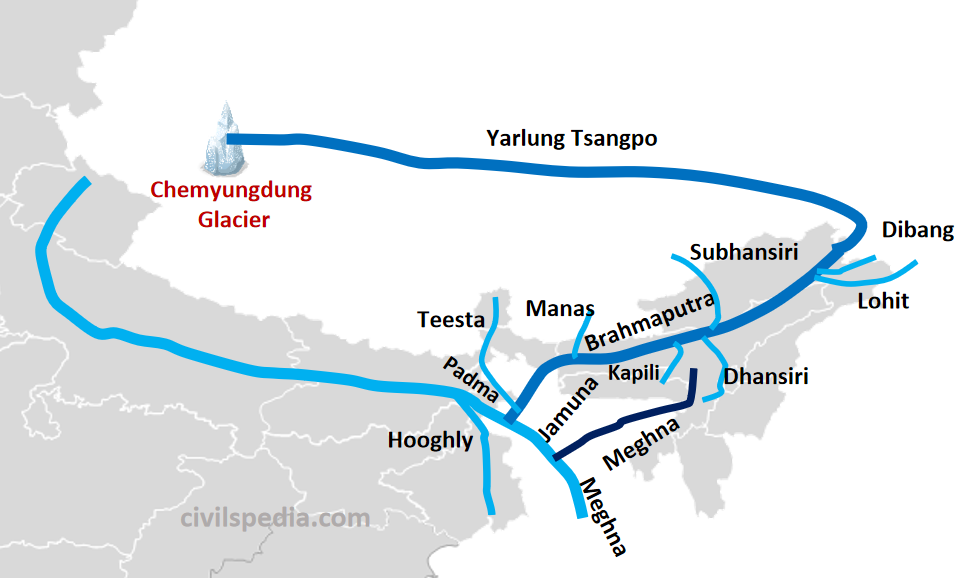
The Brahmaputra begins its journey high in the Himalayas. It starts at the Angsi Glacier in western Tibet, near Mount Kailash. After travelling thousands of kilometres, it eventually empties into the Bay of Bengal. Before reaching the ocean, it merges with the Ganges to form the largest river delta in the world.
> The Path and States
The river follows a long and winding path through three different countries:
- Tibet (China): It flows east across the high plateau as the Yarlung Tsangpo.
- India: It enters India through Arunachal Pradesh, where it is called the Siang or Dihang. It then flows west through the entire length of Assam, becoming the wide Brahmaputra we know.
- Bangladesh: Finally, it turns south into Bangladesh, where it is known as the Jamuna before meeting the sea.
5 Lesser-Known Facts About the Brahmaputra
- While most Indian rivers have feminine names, the Brahmaputra means "Son of Brahma" in Sanskrit.
- It is a "braided river", meaning its channels constantly shift and change shape due to heavy sediment.
- This river carries more suspended sediment than almost any other river on Earth, second only to the Yellow River.
- It hosts Majuli, which is recognised as the world’s largest mid-river deltaic island.
- The river is a sanctuary for the endangered Ganges River Dolphin, a blind mammal that uses echolocation to hunt.
- In certain narrow stretches, the riverbed reaches depths of over 120 metres, making it one of the deepest rivers in India.
- Its source sits at an elevation of over 5,000 metres, where the air is thin, and the water is frozen for much of the year.
Why Is the Brahmaputra Called The Lifeline Of Assam?

The Brahmaputra is known as the Lifeline of Assam because the state depends on this river for its economy, food, and wildlife. The following data shows why the river is so important:
1. Agricultural Backbone
Assam is an agrarian state, meaning it relies on agriculture, and the Brahmaputra River provides the water and rich soil that make farming possible.
- Each year, the river carries nutrient-rich silt, called alluvium, which naturally fertilises crops such as rice, jute, and mustard.
- Assam grows more than half of India's tea. The river valley offers the right humid climate and plenty of water for the large tea plantations.
2. Water and Energy Source
The river is a massive reservoir of natural resources.
- Massive Volume: It carries an average annual discharge of about 19,800 cubic metres per second, ensuring the state rarely faces total water depletion.
- Hydro-Power: The river and its tributaries have significant potential for generating electricity, which is essential to the region's industrial growth.
3. A Sanctuary for Wildlife
The river forms a special ecosystem that is home to rare animals you cannot find anywhere else.
- Kaziranga and Manas are UNESCO World Heritage sites that depend on the river. Each year, flooding helps keep the grasslands healthy, which is essential for the survival of the One-Horned Rhinoceros.
- The river basin supports thousands of plant, bird, and fish species, making it one of the most biodiverse places on Earth.
4. Transport and Connectivity
Before modern roads and railways, people in Northeast India relied on the Brahmaputra as their primary route for travel and transport.
A section of the river, called National Waterway 2, covers 891 kilometres. This waterway is used to transport heavy goods, such as coal, petroleum, and tea, from Assam to other parts of the world by sea.
5. Cultural Identity
For people in Assam, the river means much more than just water. It stands as a symbol of their heritage. Many Assamese songs, poems, and festivals, such as Bhogali Bihu, are closely connected to the river’s changing seasons. Locals lovingly call it "Boroluit", which means the Great River.
Which River Is Called The Tears Of Assam?
The Brahmaputra is often called the "Sorrow" or "Tears of Assam" during the monsoon season. Although the river supports life, its high volume causes devastating floods and severe bank erosion every year.
These floods force thousands of people from their homes, ruin crops, and cover wildlife habitats. Because the river can both give and take away, it has earned this bittersweet name.
FOR YOU| Which Glacier Is The Source Of The Brahmaputra River?
What Is The Golden River Of Assam?
The Subansiri River is often called the "Golden River" (Swarnadi) because people once found gold dust in its riverbed. As the largest tributary of the Brahmaputra, it passes through rich, gold-coloured landscapes and has a long history of gold-washing traditions.
Which Is The Cleanest River In Assam?

The Umngot River, which is mostly known for its fame in neighbouring Meghalaya, also flows into Assam and is often called the cleanest river in the area. In Assam, the Jia Bharali stands out for its clear and transparent waters. This river starts in the Himalayan foothills and remains mostly free of heavy industrial pollution.
WHAT'S NEXT| Why is the Brahmaputra River considered the Lifeline for North-East India?

Kriti Barua is a skilled digital journalist and communications professional with 4+ years of experience, currently writing for the General Knowledge section at Jagran New Media. She has established herself as a subject matter expert in History, Geography, Trending National and International News, Sports, Science, and Defence, producing clear, reliable, and search-optimised content that connects with readers worldwide.
Kriti holds a BA degree from Delhi University and a one-year diploma in TV Production and Journalism, an academic background that adds research depth and strong storytelling instincts to her writing. Her experience spans brand writing, content marketing, and digital media, giving her a sharp understanding of what makes content both helpful to readers and visible in search.
At Jagran New Media, she applies this expertise to national and international news coverage, query-based articles, and in-depth pieces across her specialist subject areas. Her content is defined by easy language, factual accuracy, strong keyword strategy, and reader-friendly storytelling.