List of UNESCO World Heritage Sites in Uttar Pradesh Till 2026
Explore the complete list of UNESCO World Heritage Sites in Uttar Pradesh till 2026, including the Taj Mahal, Agra Fort, and Fatehpur Sikri. Discover their historical significance, architectural brilliance, UNESCO recognition dates, and cultural heritage importance in India.

Uttar Pradesh is a land of rich cultural heritage and historical grandeur, and it is home to several UNESCO World Heritage Sites that reflect India’s diverse legacy.
India has 44 UNESCO World Heritage Sites so far, and among them, Uttar Pradesh has 3 recognised.
These iconic monuments and archaeological sites showcase the state’s role in the development of art, architecture, and cultural heritage sites.
From Agra Fort to the Taj Mahal, it has a remarkable historical significance. Today, in this article, we will see the current list of all UNESCO World Heritage Sites in Uttar Pradesh as of 2026.
List of UNESCO World Heritage Sites in Uttar Pradesh Till 2026
Currently, Uttar Pradesh has officially 3 UNESCO World Heritage Sites, which are Agra Fort, Taj Mahal, and Fatepur Sikri.
Below in the table, all its details with the date and under which category it comes are given.
| Site | Location (state) | Date | Type |
| Agra Fort | Uttar Pradesh | 1983 | Cultural |
| Taj Mahal | Uttar Pradesh | 1983 | Cultural |
| Fatehpur Sikri | Uttar Pradesh | 1986 | Cultural |
Source: UNESCO
Brief overview of the UNESCO World Heritage Sites of Uttar Pradesh
1. Agra Fort
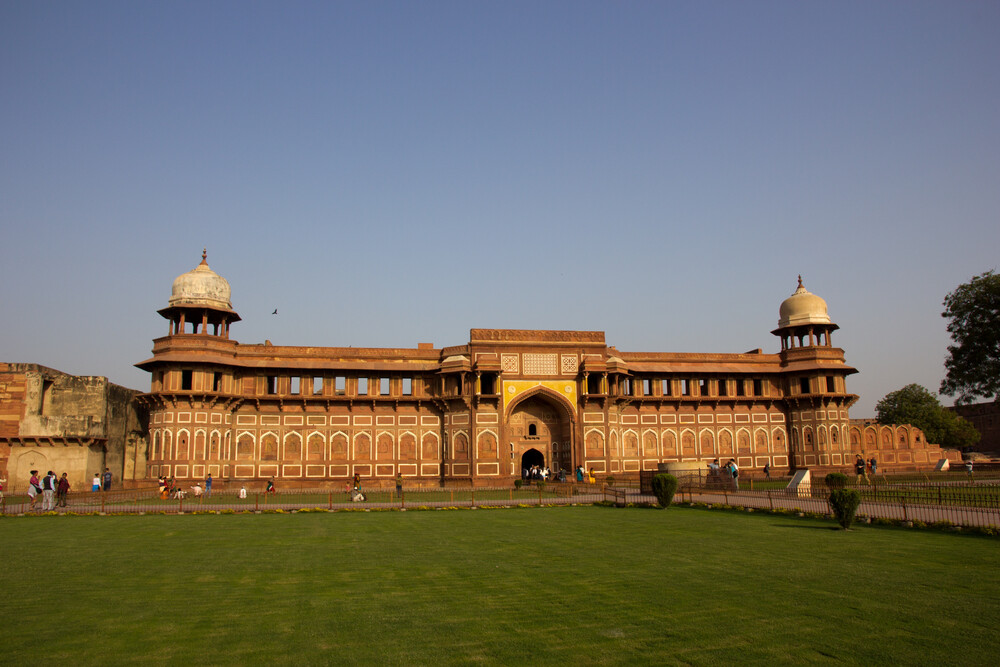
Source: UNESCO
Below is the table given with important key Facts about Agra Fort:
| Category | Details |
| Name & Title | Agra Fort (Historically known as Qila-i-Akbari) |
| Location | Banks of the Yamuna River, Uttar Pradesh, India (~2.5 km northwest of the Taj Mahal) |
| Built By & Year | Emperor Akbar, starting in 1565 |
| Primary Function | The main residence of the Mughal emperors until 1638 and a key military stronghold |
| UNESCO Status | Designated as a World Heritage Site in 1983 (recognised for 16th/17th-century Mughal art and architecture) |
| Size & Shape | 94 acres, semi-circular design |
| Architecture Style | A blend of Persian and indigenous architectural styles |
| Defenses | Enclosed by a 2.5 km-long, 21.4 m (70 ft) high wall, featuring a deep moat |
| Materials | Built predominantly of red sandstone, with significant white marble additions |
| Main Gates | 4 main gateways: Delhi Gate, Amar Singh Gate, Khizri Gate, and Ghazni Gate |
| Key Structures | Jahangir Palace, Khas Mahal (built by Shah Jahan), Diwan-i-Khas (Hall of Private Audience), and Nagina Masjid |
| Notable History | Emperor Shah Jahan was imprisoned here by his son Aurangzeb, spending his final days looking out at the Taj Mahal |
| Visitor Access | Only about one-third of the complex is open to the public; the rest is occupied by the Indian Army |
2. Taj Mahal
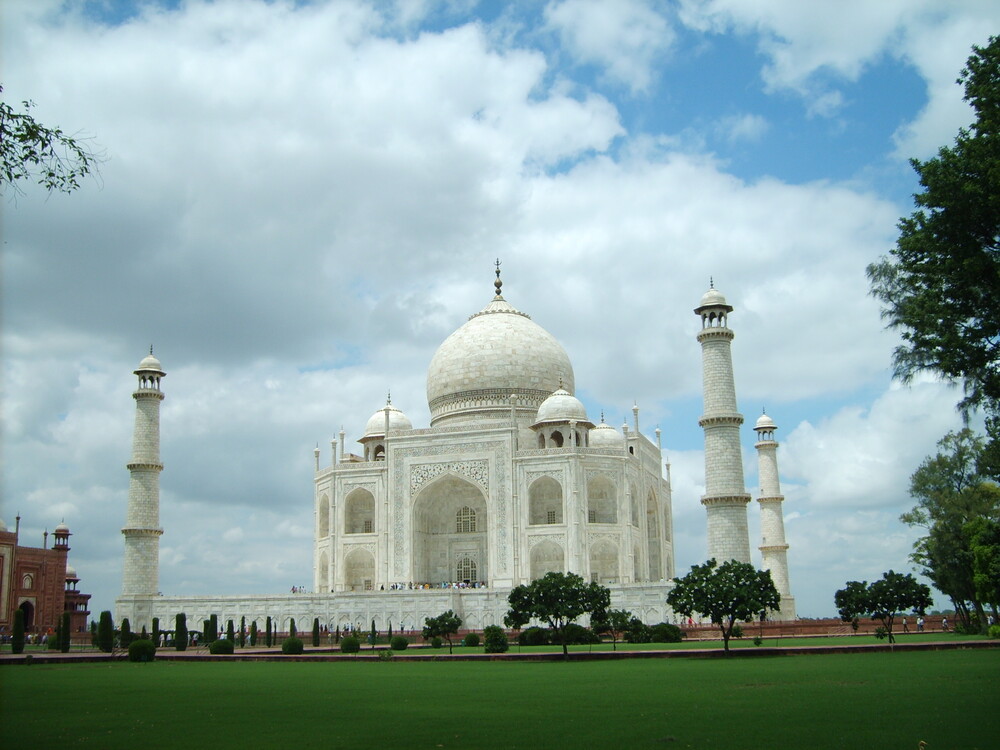
Source: UNESCO
Below is the table given with important key Facts about Taj Mahal:
| Category | Details |
| Location | South bank of the Yamuna River, Agra, Uttar Pradesh |
| Construction Timeline | Commissioned in 1632, finished around 1653 |
| Workforce | Built using over 20,000 artisans |
| Architecture & Design | Known for perfect symmetry, a massive white marble dome, and complex, symmetrical gardens (Charbagh) |
| UNESCO Status | Designated in 1983 as "the jewel of Muslim art in India" and a globally admired masterpiece |
| Size & Components | 42-acre complex including the main tomb, a mosque (west), a guest house (east), and extensive gardens |
| Visiting Hours | Open from sunrise to sunset; closed on Fridays |
| Tickets | Available online via the Archaeological Survey of India or at on-site ticket booths |
| Best Time to Visit | Weekdays (to avoid heavy weekend crowds) |
| Visitor Rules & Security | No food allowed inside; airport-style security is in place |
3. Fatehpur Sikri
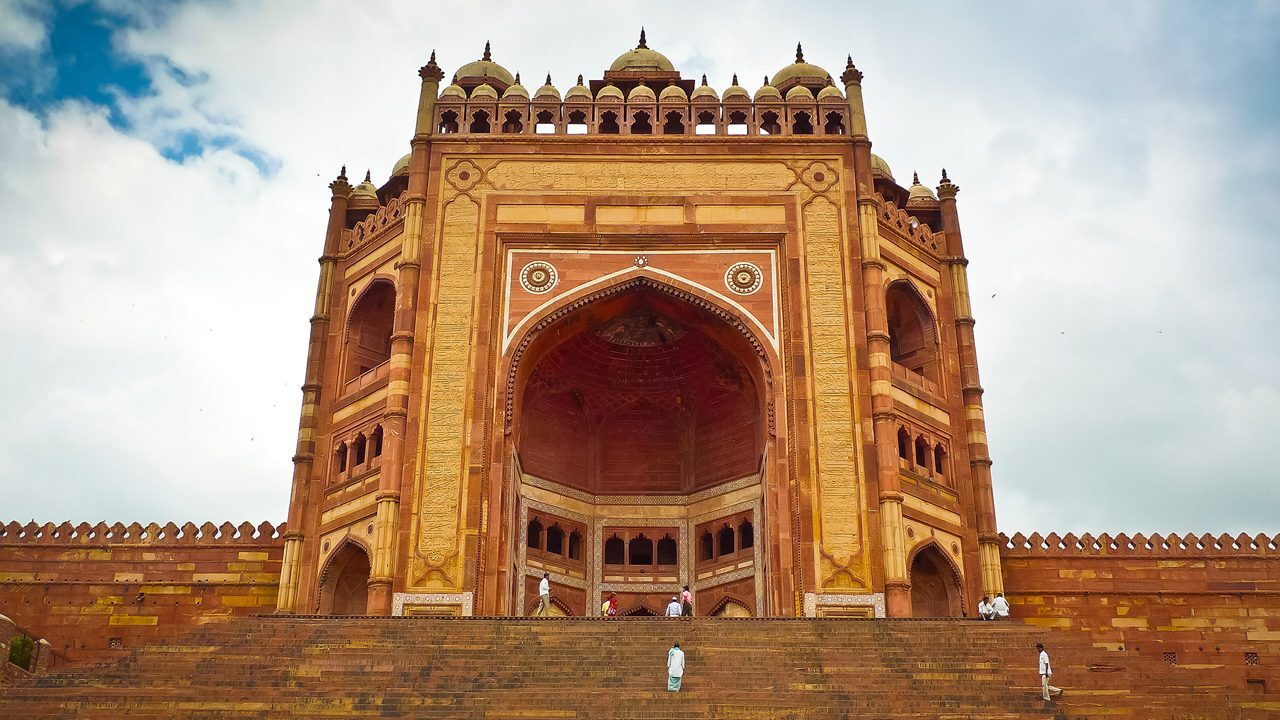
Source: incredibleindia
Below is the table given with important key Facts about Fatehpur Sikri:
| Category | Details |
| Monument Name | Fatehpur Sikri |
| Location | 37 km from Agra, Uttar Pradesh |
| Historical Significance | Served as the Mughal capital for a brief period (approx. 1571–1585) before being abandoned, likely due to water shortages |
| Architecture Style | Masterpiece of Mughal design, blending Indo-Islamic, Hindu, and Persian architectural styles |
| Iconic Gateway | Buland Darwaza: The 54-meter-high "Gate of Victory," built to commemorate Emperor Akbar's victory over Gujarat |
| Religious Structures | Jama Masjid: A massive, sacred mosque still in use, which houses the ornate tomb of Sufi saint Salim Chishti |
| Palaces & Halls |
|
| Management | Managed by the Archaeological Survey of India (ASI) |
| Visitor Information | Visitors often use electric golf carts to reach the main complex; the site features separate areas for the royal residence and the religious complex |
In conclusion, the three UNESCO World Heritage Sites in Uttar Pradesh, which are Agra Fort, Taj Mahal, and Fatehpur Sikri, stand as a timeless symbol and show the rich cultural heritage of India. Globally, these UNESCO sites reflect India’s rich history and continue to attract scholars, historians, and visitors from around the world.

Prabhat Mishra is a Subject Matter Expert and digital journalist with an extensive background in the competitive exam landscape and over 4 years of experience in education, national and international news, and current affairs. Over his tenure with top knowledge platforms like Mentorship India, IAS BABA, IAS SARTHI, and now Jagran Josh, he has a deep understanding of government exams like UPSC and State PCS, including UP and Bihar, as he has already qualified for the UPPCS 2022 Mains and Bihar 68th Mains. With his core expertise in history, polity, geography & current affairs, he specialises in creating well-researched, aspirant-centric content and simplifying complex topics for competitive examinations.