Tata Sons IPO: When Will Tata Sons Go Public? Why Are Noel Tata and N. Chandrasekaran Clashing Over Listing? Boardroom Battle, RBI Rules and New Schedule
Tata Sons is facing a major boardroom dispute over its proposed IPO. Understand why Noel Tata and N. Chandrasekaran disagree, what the RBI's listing rules require, and how the Shapoorji Pallonji Group fits into the debate.
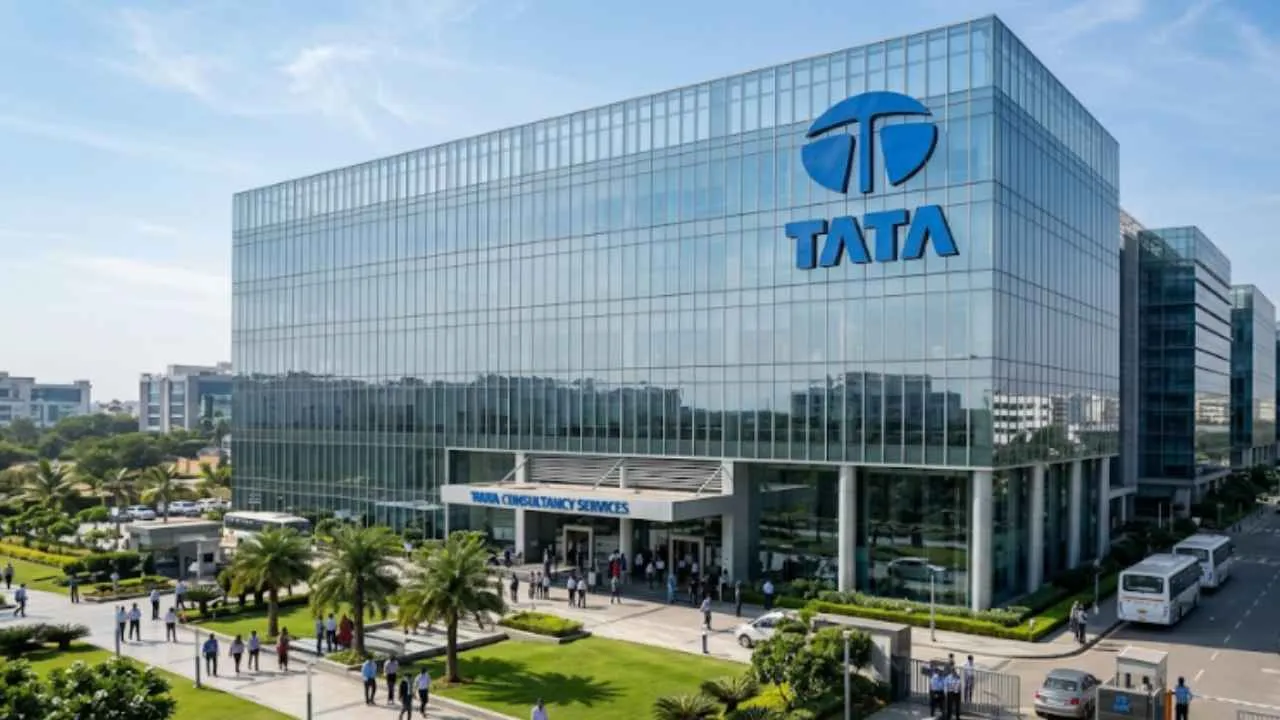
Tata Sons IPO: The corporate world is right now witnessing one of the most expensive boardroom clashes of all time at Tata Sons. The future of Tata Sons, the holding company of the Tata Group, is in the spotlight.
The subject of intense corporate boardroom debate is also very interesting: the launch of an IPO. Tata has expanded its base across the globe and has proved its potential in many fields.
According to the previous update from the company, it was scheduled to hold a crucial board meeting on November 26, 2026. This meeting was specifically to decide whether to go public or retain its private status.
But, according to reports, the meeting is now postponed due to internal reasons. The meeting is expected to take place later. This has happened after Tata Trusts Chairman Noel Tata raised concerns over the late circulation of agenda documents.
What appears to be a straightforward IPO decision has turned into a complex boardroom battle involving corporate control, regulatory compliance, shareholder interests and the group's philanthropic legacy.
With the RBI maintaining its position on mandatory listing, Tata Sons faces a decision that could reshape its ownership structure.
Why Is There an Internal Dispute at Tata Sons?
The internal dispute at Tata Sons revolves around two influential figures: Tata Sons Chairman N. Chandrasekaran and Tata Trusts Chairman Noel Tata. Their disagreement centres on the company's future ownership, boardroom authority and regulatory obligations.
- Two Different Visions for Tata Sons: N. Chandrasekaran and most Tata Sons board members support taking the company public through an IPO. However, Noel Tata favours retaining private ownership through an alternative restructuring plan.
- Who controls Tata Sons? Tata Sons is the principal holding company of the Tata Group and owns stakes in major businesses, including Tata Consultancy Services (TCS), Tata Motors and Tata Steel. Tata Trusts holds approximately 66% of Tata Sons, making it the company's controlling shareholder.
- Three Major Areas of Disagreement: The internal conflict extends beyond the IPO decision. It involves corporate governance and boardroom authority, compliance with RBI regulations, and the protection of Tata Trusts' philanthropic legacy and control over the group.
What Are the Three Major Reasons Behind the Tata Sons Dispute?
1. IPO vs Private Ownership
The biggest question facing Tata Sons is whether it should enter the stock market or continue as a privately held company. The RBI classified it as an upper-layer NBFC in 2022, making it subject to mandatory listing requirements. Although Tata Sons attempted to surrender its CIC registration after clearing its debt, the RBI rejected its application in September 2026. N. Chandrasekaran supports an IPO to meet regulatory requirements, while Noel Tata fears that public ownership could bring short-term market pressure to long-term business decisions.
2. Disagreement Over Boardroom Authority
The second battle is about who gets the final say in important company decisions. At the September 17 meeting, most directors supported extending N. Chandrasekaran's tenure as executive chairman for another five years, while Noel Tata opposed it. The disagreement brought Article 121 of Tata Sons' Articles of Association into focus, particularly the role of Trust-nominated directors. At its heart, the question is simple: how much influence should Tata Trusts have over the company's boardroom decisions?
3. Shapoorji Pallonji Group's Financial Interests
The Shapoorji Pallonji (SP) Group, which owns an 18.4% stake in Tata Sons, has its own financial interests in the outcome. The group wants to monetise its investment to address its financial obligations and has reportedly proposed a transaction worth approximately ₹25,000 crore. A public listing could give it an opportunity to sell shares and unlock the value of its investment. Noel Tata, however, favours a private restructuring and funding arrangement as an alternative to an IPO.

Aishwarya Samant is a journalist with over 4 years of experience navigating the fast-paced corporate media landscape. She specializes in decoding business news, world economy, personal finance, and stock market trends, often adding a subtle touch of political perspective to keep things interesting.
Having worked with reputed organizations like ZEE, TV9, News24, and NewsX, she is no stranger to the newsroom hustle and the demands of real-time storytelling. Her writing style is fast-paced, engaging, and crafted to connect seamlessly with diverse audiences across platforms. She approaches every story from the reader’s point of view, breaking down complex topics into clear, relatable narratives backed by solid facts and credible sources. While she’s confident in expressing strong viewpoints, she ensures balance with insights. Sharp, fact-driven content that informs, engages, and keeps readers coming back for more.