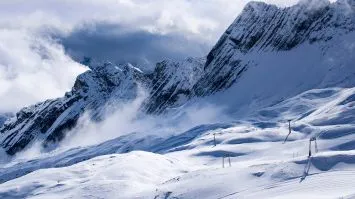
Third Pole of the Earth: Mount Everest is known as the Third Pole of the Earth because the Himalayan region around it stores the largest amount of snow and ice outside the Arctic and Antarctic, making it a crucial freshwater reserve for Asia.
Why Is Mount Everest Called the Third Pole of the Earth?
Mount Everest lies in the Himalayan mountain system, which contains thousands of glaciers and permanent snowfields. These ice reserves feed major river systems and support water needs for millions of people, giving the region its Third Pole status.
Location of Mount Everest
Mount Everest is located in the Himalayas on the border between Nepal and China (Tibet Autonomous Region). It forms part of the Mahalangur Himalayan range.
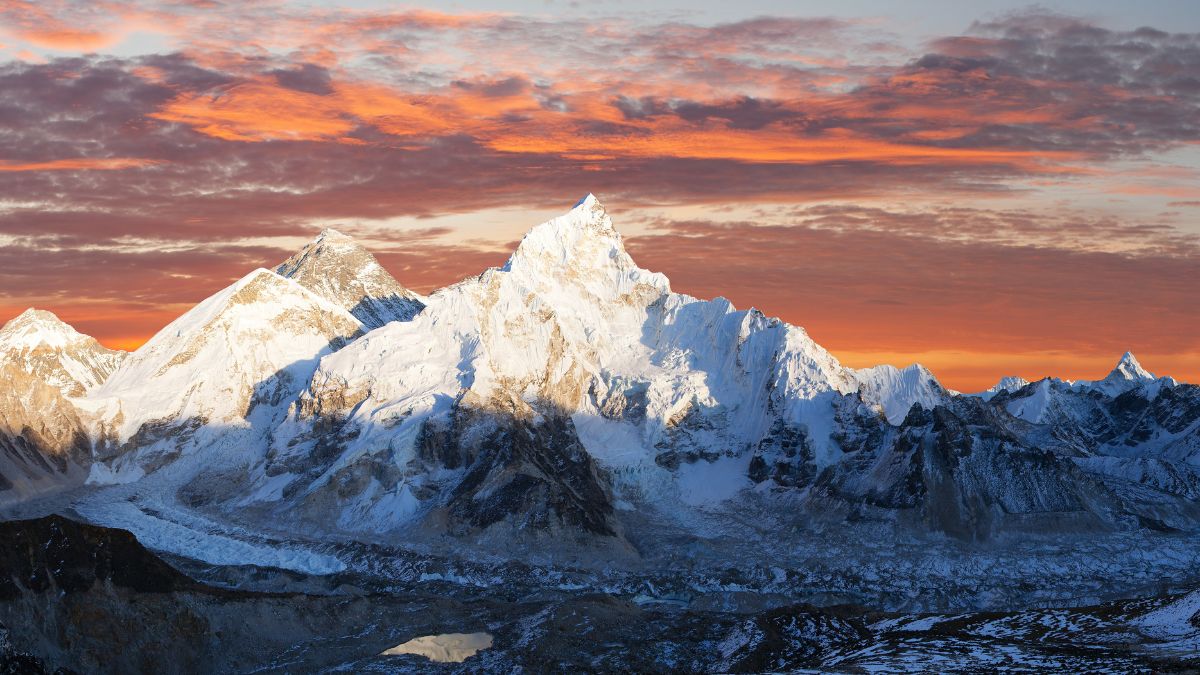
Highest Mountain in the World
Mount Everest is the highest mountain on Earth, with an officially recognised height of 8,848.86 metres above sea level. Its extreme altitude ensures permanent snow and ice throughout the year.
Importance of Himalayan Glaciers
The glaciers surrounding Mount Everest contribute meltwater to major rivers such as the Ganga, Brahmaputra, and Indus. These rivers support agriculture, drinking water supply, and hydroelectric power across South Asia.
Climate Regulation Role
The Himalayan ice mass influences monsoon systems and atmospheric circulation. It plays an essential role in regulating temperatures and weather patterns across the Asian continent.
Environmental Importance of the Third Pole
The Third Pole is highly sensitive to global warming and climate change. Glacier retreat in this region directly affects water availability and ecological balance downstream.
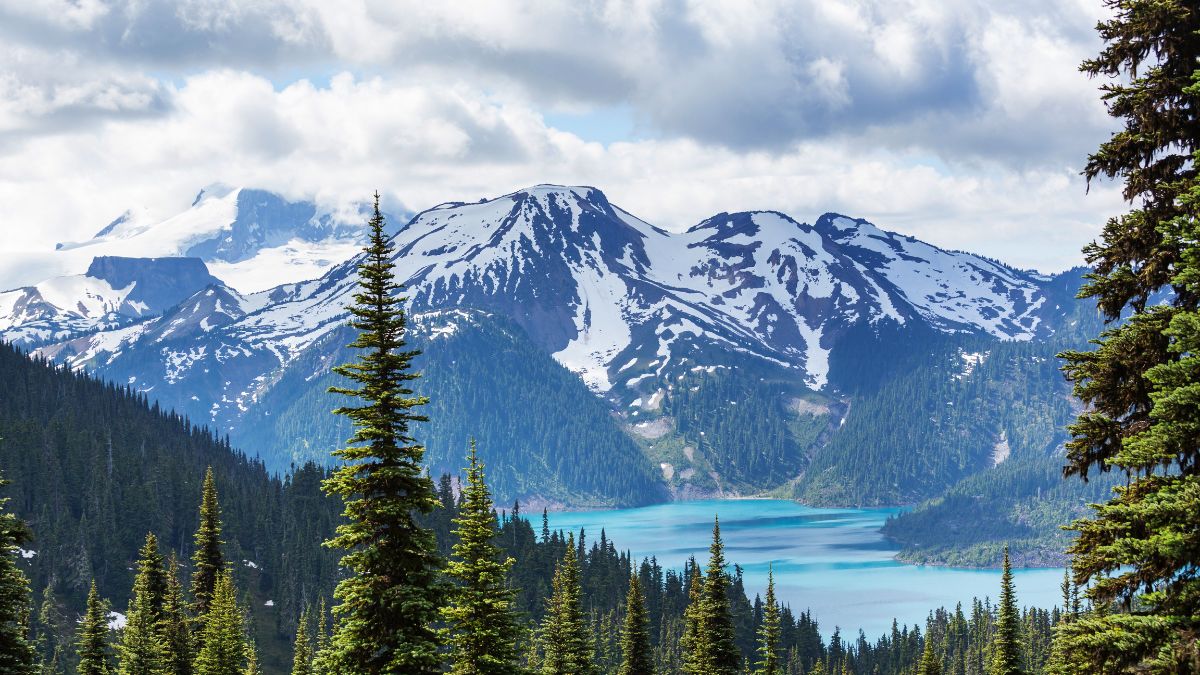
Interesting Facts About Mount Everest
Largest Ice Reserve Outside Polar Regions
The Everest–Himalayan region holds the largest concentration of glaciers outside the polar areas, making it the most important ice store after the North and South Poles. This ice acts as a long-term freshwater source for Asia.
Source of Major Asian Rivers
Meltwater from glaciers in this region feeds major rivers such as the Ganga, Brahmaputra, and Indus. These rivers support over a billion people through agriculture, drinking water, and energy generation.
Permanent Snow and Ice Cover
Mount Everest remains snow-covered throughout the year due to extremely low temperatures at high altitudes. Even during summer months, snow accumulation continues at the summit and surrounding peaks.
Ongoing Geological Growth
Mount Everest continues to rise by a few millimetres each year due to the collision of the Indian and Eurasian tectonic plates. This ongoing movement keeps the Himalayas geologically active.
Highly Vulnerable to Climate Change
Rising global temperatures are accelerating glacier melt in the Everest region. This increases the risk of water shortages, glacial lake outburst floods, and long-term ecological damage.
Read more: Which Is the Largest Planet in the Solar System?
Mount Everest is known as the Third Pole of the Earth because of its vast ice reserves, vital role in feeding Asia’s major rivers, and influence on regional climate systems. Keep reading for more such topics.



-1766509276000.jpg)
Comments
All Comments (0)
Join the conversation