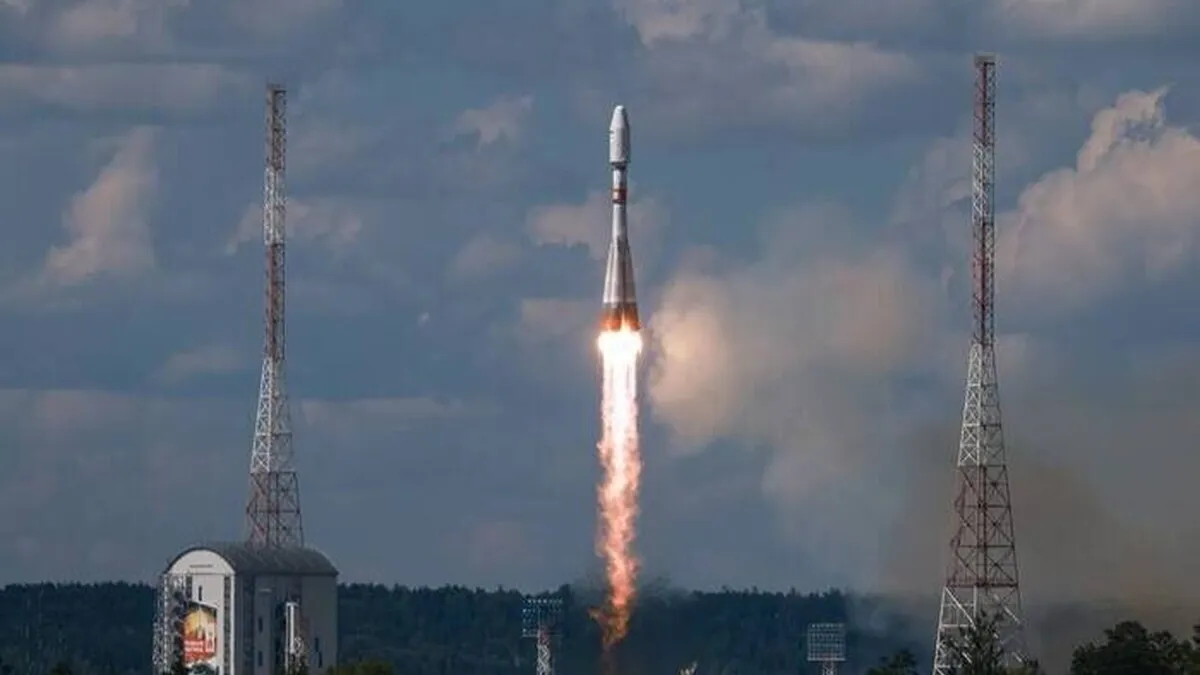
Iran managed to position its domestically-made satellites into low orbit on the Soyuz rocket fired by Russia on December 28, 2025, clearly showing the deepening Iran-Russia cooperation in space despite overall Iranian sanctions imposed by the West. This is yet another area where space technology is becoming the core area for Iran-Russia cooperation.
What was launched and why it matters?
The three satellites, namely Zafar-2, Paya, and Kowsar, or the second-generation satellite, are according to Iranian authorities, remote sensing and Earth observation satellites. Their purpose is for civilian use, crop observation, natural resource management, and environmental observation. And this is general to Tehran’s aim to develop and use space for peaceful purposes while simultaneously developing dual-use technology.
Iran’s authorities have repeatedly emphasized that Iran’s satellites are Iranian-made, and Iran has partnered with Russia to access the infrastructure and know-how necessary to place them into orbit. Iran relies on external assistance to launch satellites into orbit while Iran’s domestic manufacturing continues.
The Partners and the Technology
There has been cooperation in space matters with Russia since 2022, where Russia is launched to provide Iranian satellites with launch services at the time when launch services for Iranian satellites are restricted internationally. According to analysts, Iran manages to follow its path in developing its space program.
The Iranian ambassador to Russia described this partnership as vast and diversified, with Russia at the forefront of satellite technology and launch facilities. This partnership is used as an enabler for Iran's space and aerospace plans.
Geography, Timing, and Context
The missions were conducted from Russia’s Far East launch facilities, showing how geopolitics influences the choice of launch sites for key space missions. The missions took place towards the end of December 2025, and this fits the trend for Iran to increase its space activities through international partnerships as its homegrown capabilities develop.
The dual-use nature of space technology has raised concerns for the West, as "the satellite launch capability could contribute to the development of ballistic missiles." Iran, however, denies any connection between its program and the above accusations, maintaining that it is strictly for peaceful purposes only. This creates an issue of contention for the security of the region for the West and its allies against Iran.
The December 28, 2025, Soyuz launch is a significant event in the Iranian space program and Iran-Russia cooperation in space, but it also resonates with the wider debate surrounding the use and implications for the security domain. The considerations and discussions regarding the implications, either civilian or dual use, are essential and continue to influence the international community and international policies.

-1766495906923.jpg "Why Did Saudi Arabia Witness Snowfall in the Desert after 30 years? Know more here")

-1767014248507.jpg)
-1767005686052.jpg)
-1766489490524.jpg)
Comments
All Comments (0)
Join the conversation