Key Points
- Aravalli range is home to resilient species, including the Indian Leopard.
- Striped Hyenas are dominant scavengers, preventing disease spread in the hills.
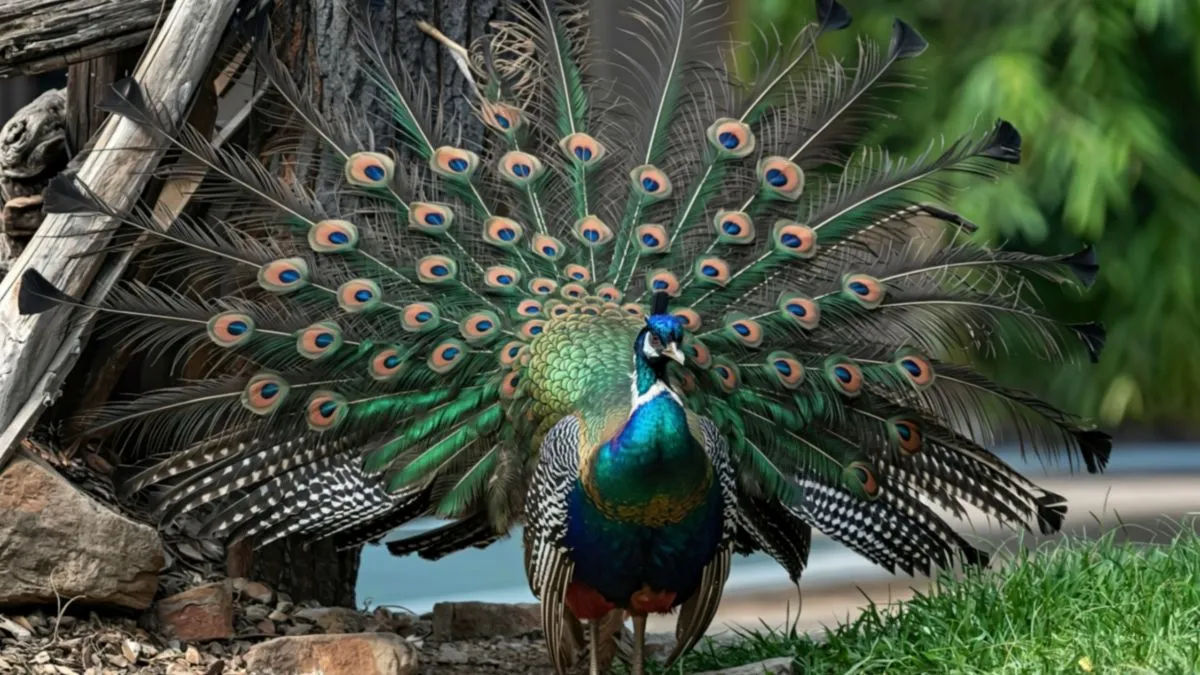
- Peafowl thrive, indicating a healthy ecosystem in the Aravalli scrublands.
Animals found in Arravllis: The Aravalli mountain range is more than just a barrier between the Thar Desert and the rest of the world; it is also a thriving, though fragile, ecosystem. It is often called the oldest fold mountain system in the world. Recent camera trap studies and wildlife censuses in the Aravalli range mountains have shown that the animalswho call the Aravalli mountain range their home are not only surviving, but also changing.
Conservationists have noted that while the Arravlli hills face threats from mining and urbanization, they remain a stronghold for resilient species. The region acts as a crucial green lung for the National Capital Region (NCR), supporting a food chain that tops out with the majestic Indian Leopard. And, an understanding of the animals that live in Arravallis is the first step toward their protection.
List of Animals Found in Arravallis Mountain Range
The Aravallis host a surprising diversity of mammals, reptiles, and birds. Below is the ranked list of the top species based on their ecological significance and sighting frequency.
| Rank | Animal Name living in Arravallis | Scientific Name | IUCN Status |
| 1 | Indian Leopard | Panthera pardus | Vulnerable |
| 2 | Striped Hyena | Hyaena hyaena | Near Threatened |
| 3 | Golden Jackal | Canis aureus | Least Concern |
| 4 | Nilgai (Blue Bull) | Boselaphus tragocamelus | Least Concern |
| 5 | Indian Crested Porcupine | Hystrix indica | Least Concern |
| 6 | Indian Rock Python | Python molurus | Near Threatened |
| 7 | Indian Peafowl (Peacock) | Pavo cristatus | Least Concern |
Also Read - List of 5 Most Beautiful Migratory Birds that Come to India in Winter
1. Indian Leopard
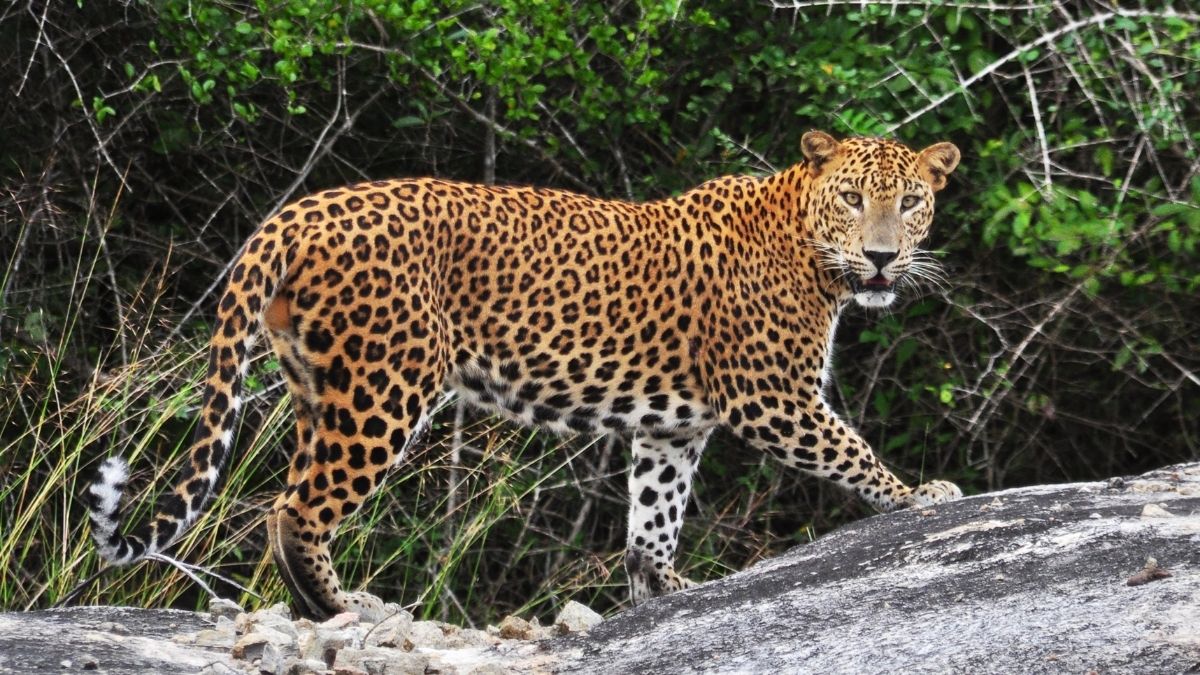
The Indian Leopard is the top predator as well as the most beautiful animal in the Aravalli mountain range. The Wildlife Institute of India (WII) has recently reported that there are a lot of leopards in the corridors that connect Sariska to Delhi's Asola Bhatti Wildlife Sanctuary. These big cats are very adaptable and often live near people in Gurugram and Faridabad, where they eat stray dogs and smaller herbivores. Their presence means that the ecosystem is working.
2. Striped Hyena
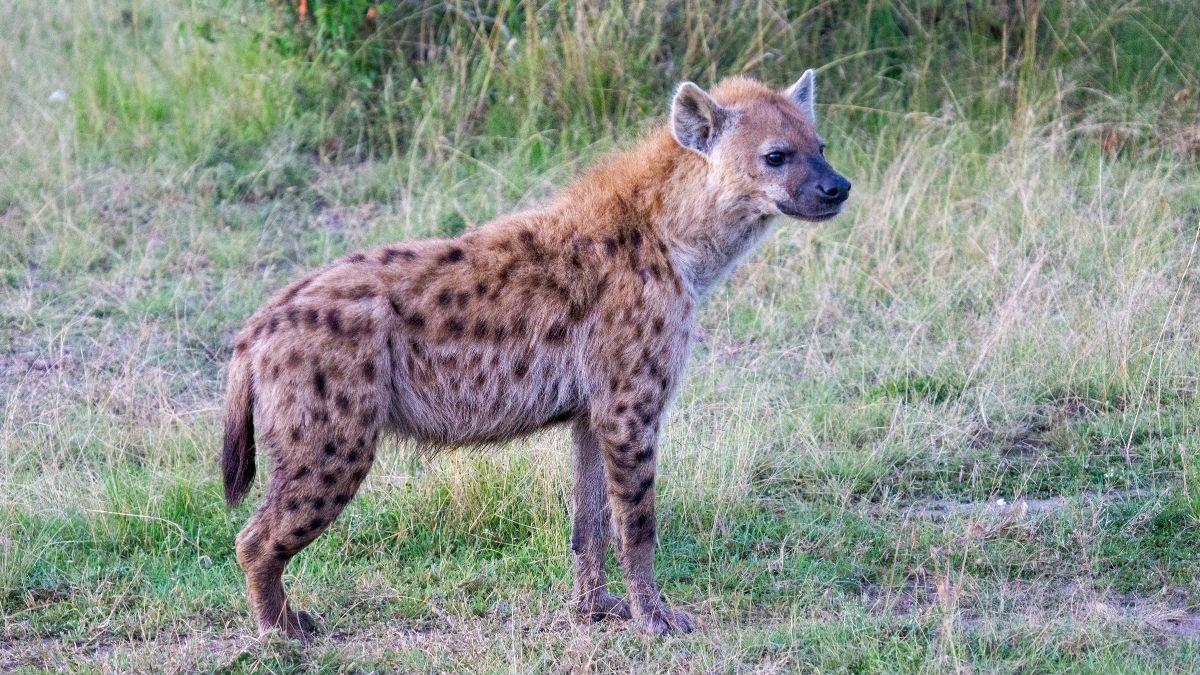
Often misunderstood, the Striped Hyena plays a vital role as nature’s cleaner. In the scrub forests of the Arravlli hills, they are the dominant scavengers. While they are nocturnal and elusive, camera traps frequently record them in the rocky terrains of the region. They are solitary creatures and are critical for preventing the spread of disease by consuming carrion that other predators leave behind.
3. Golden Jackal
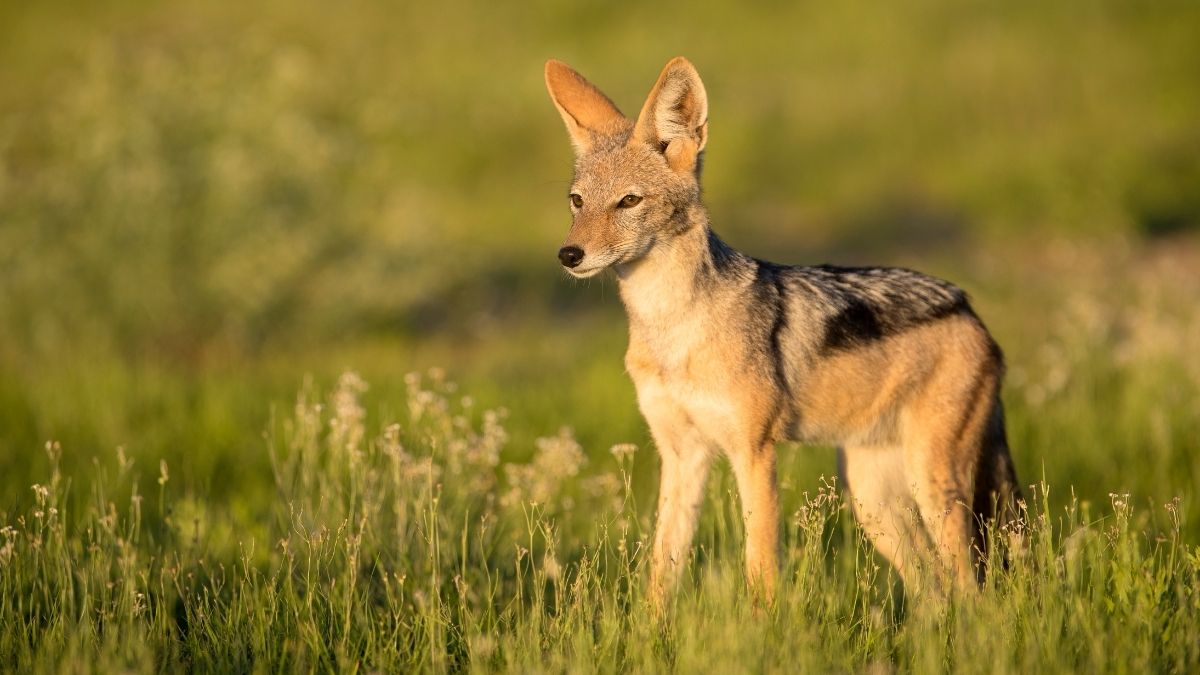
If you hear a haunting howl at dusk near the Aravalli range mountains, it is likely the Golden Jackal. These omnivores are found all over the range and are known for being smart. They eat small mammals, birds, and even fruits like Ber berries that they find in the dry deciduous forests. They are social animals and are often seen with one or two other people.
4. Nilgai (Blue Bull)
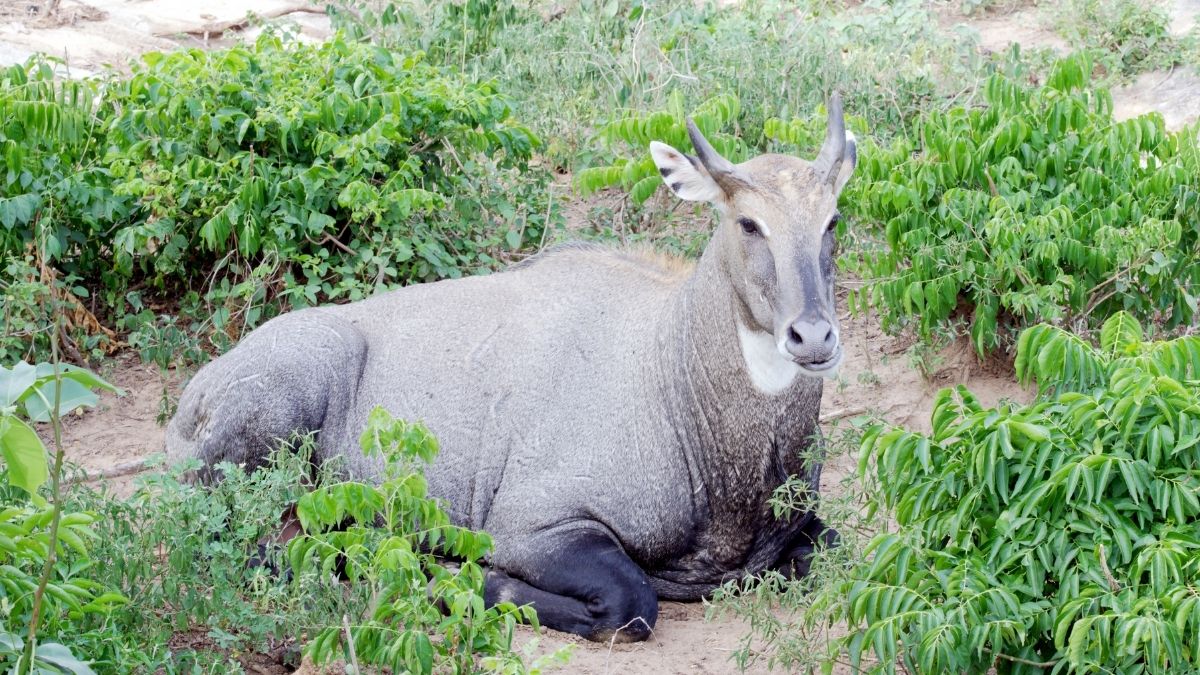
The Nilgai is the largest antelope in Asia, and you can often see it in the Arravlis. They are strong and can easily get through the thorny bushes in the area. Farmers in the area often see them as pests because they steal crops, but they are the main source of food for the leopards in the area, which keeps the balance between predator and prey.
5. Indian Crested Porcupine
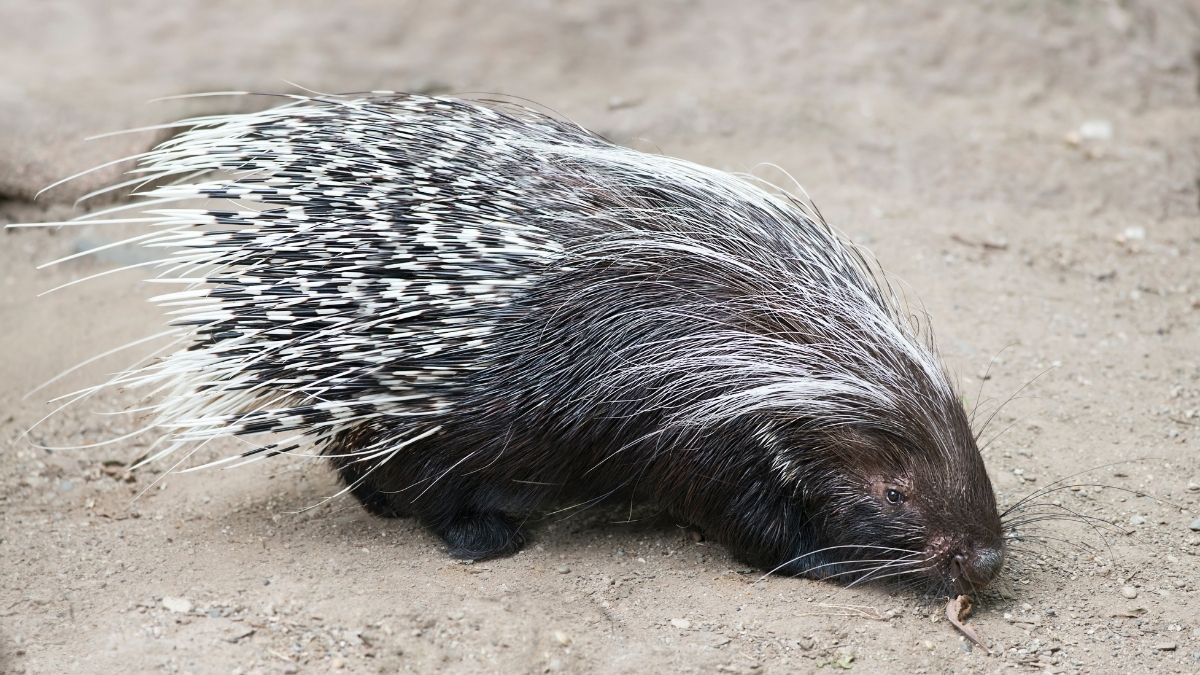
This large rodent is famous for its defensive quills. The Indian Crested Porcupine is nocturnal and digs extensive burrow systems in the rocky soil of the Aravallis. They are herbivores, feeding on roots, bulbs, and tubers. Their presence helps in soil aeration, and their discarded quills are often the only sign of their presence for the casual trekker.
6. Indian Rock Python
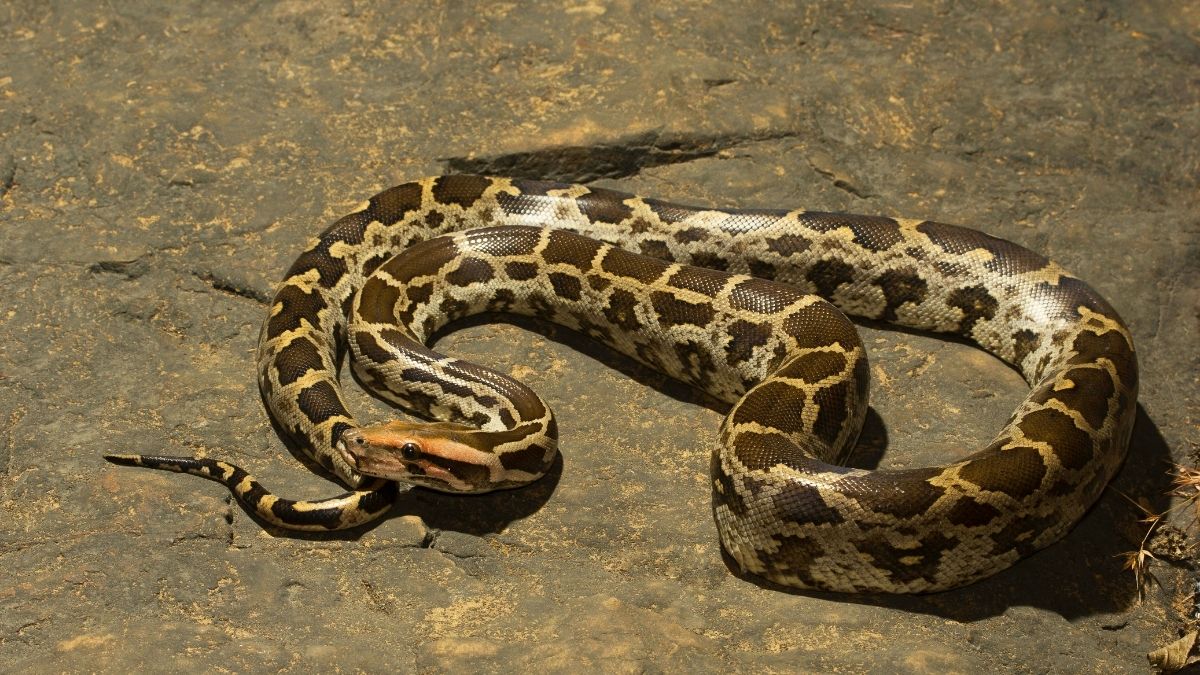
The Indian Rock Python is the best reptile. These non-venomous constrictors can grow up to 20 feet long and are often found near water and rocky crevices in the Arravelli hills. They help keep the number of small mammals and rodents down. Even though they are big and scary, they are usually shy and stay away from people unless they feel threatened.
7. Indian Peafowl (Peacock)
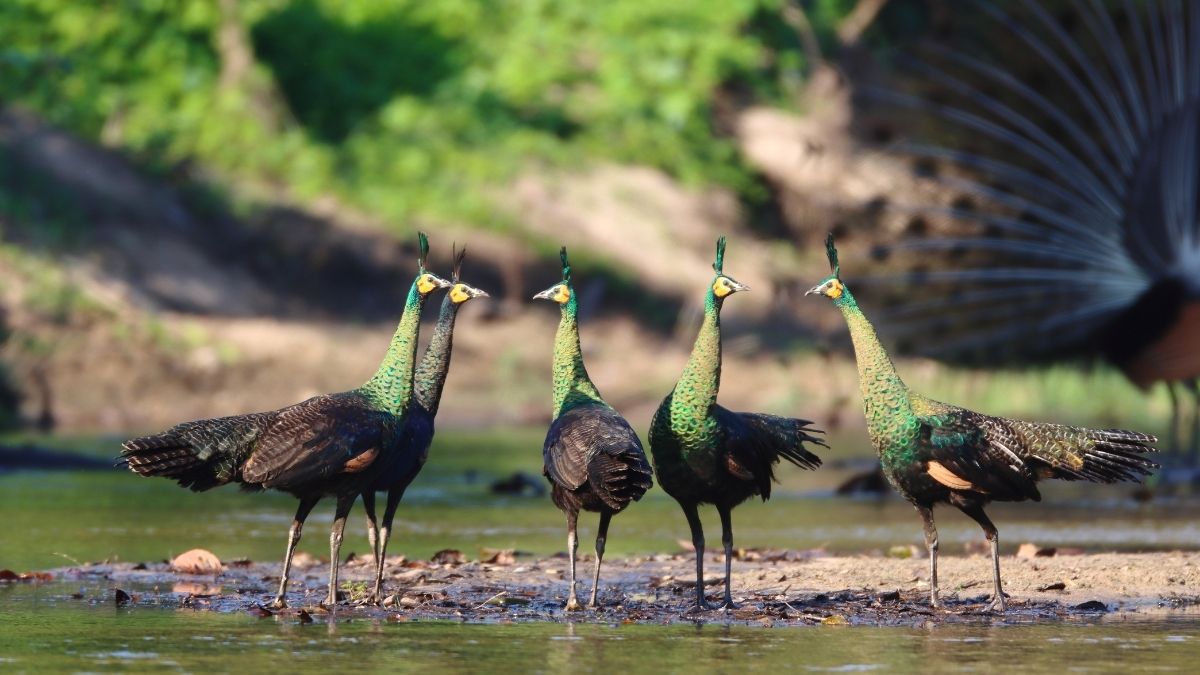
The list would be incomplete without India’s National Bird. There are a lot of peacocks in the Aravallis, and you can often hear them before you see them. The sound of their call is a signature of the Aravalli monsoons. They thrive in the scrublands, feeding on snakes, insects, and seeds. Their high population density in the region serves as a good bio-indicator of the health of the lower-level ecosystem.
Check Out - List of Top 10 Youngest and Oldest Mountain Ranges in the World 2025
The animals that live in the Arravallis show how powerful nature is. This range is a biodiversity hotspot that needs to be protected. There are sneaky leopards patrolling the ridges and peacocks dancing in the valleys, among other things. We keep these Aravalli hills safe so that future generations can see this wildlife in its natural habitat, which is very close to India's busy capital.





-1766509276000.jpg)
Comments
All Comments (0)
Join the conversation