7 Natural Materials That Glow in the Dark
From glowing mushrooms in forests to radiant corals in oceans and sparkling minerals underground, nature holds fascinating sources of light. Bioluminescent fungi, glow worms, fireflies, and dinoflagellates illuminate ecosystems with distinct purposes like attracting mates, warding off predators, or aiding survival. Corals, comb jellies, and deep-sea fish showcase fluorescence and bioluminescence with dazzling effects. These natural glows not only inspire wonder but also serve vital ecological roles while offering insights for scientific and technological innovations in medicine, lighting, and environmental monitoring.
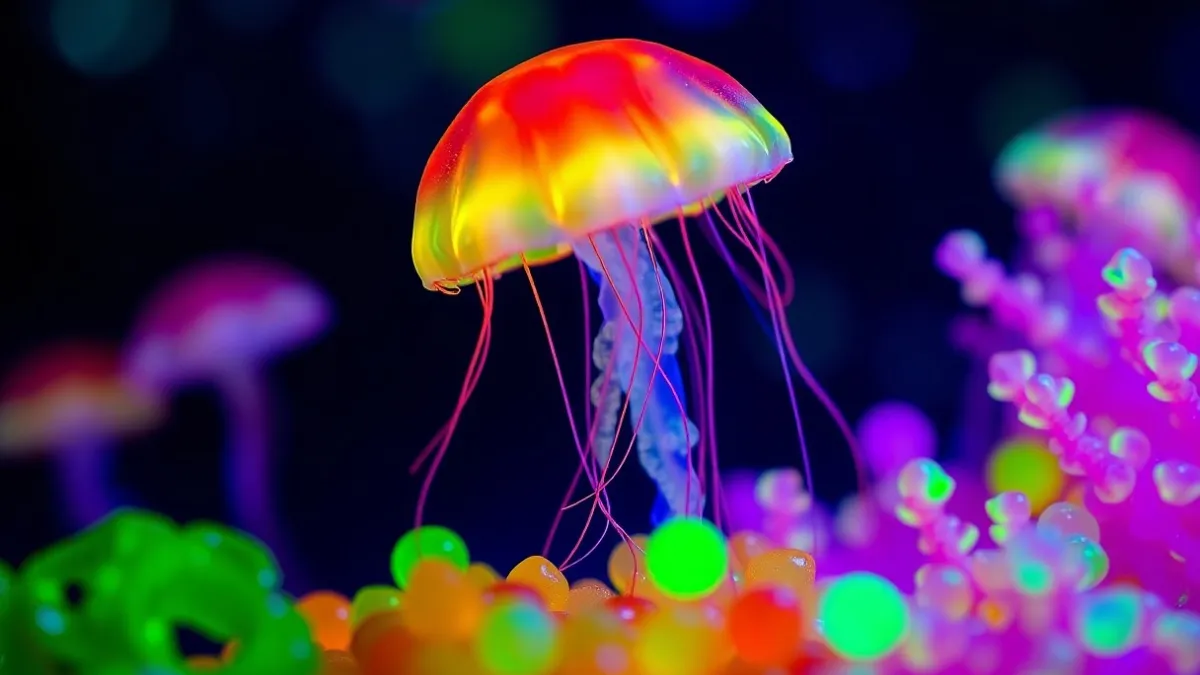
Glowing in the dark is an interesting phenomenon of nature largely because of bioluminescence or phosphorescence. Although most glow-in-the-dark materials are manmade, there are a few natural substances that glow in the dark. Science, technology, and art have been inspired by these substances for centuries.
Read along for a close-up of eight of these natural glow-in-the-dark substances, how they emit light, and where they can be found.
Natural Glow-in-the-Dark Materials
| Material | Source | Type of Glow | Purpose of Glow | Color of Glow |
| Bioluminescent Fungi | Forests on decaying wood | Bioluminescence | Spore dispersal, attract insects | Green |
| Glow Worms | Caves, forests worldwide | Bioluminescence | Attract prey or mates | Green or Blue |
| Fireflies | Worldwide | Bioluminescence | Mating communication | Yellow-Green |
| Dinoflagellates | Oceans, bays | Bioluminescence | Predator defense | Blue |
| Minerals (Fluorite, Calcite) | Mines, natural deposits | Phosphorescence/Fluorescence | Identification, aesthetic | Blue, green, yellow |
| Coral | Tropical oceans | Fluorescence | Protection from sunlight | Green, blue, red |
| Comb Jelly | Oceans worldwide | Iridescence/Bioluminescence | Communication, defense | Multicolor (rainbow-like) |
| Deep-Sea Fish & Jellyfish | Ocean depths | Bioluminescence | Lure prey, camouflage | Blue, green, white |
1. Bioluminescent Fungi
Certain species of fungi spontaneously give off a greenish light, which is referred to as "foxfire" or "fairy fire." It results from a biochemical reaction between the luciferin and luciferase enzymes. The fungi occur predominantly on rotten wood in forests and serve to attract insects to aid in the dispersal of spores.
2. Glow Worms
Glow worms are larval insects that glow in order to lure prey or potential mates. Their flash is generated by a chemical reaction within special organs that produce a steady blue or green glow. They exist in caves and forests across the globe and employ light as a bait in darkness.
3. Fireflies
Fireflies, or lightning bugs, are familiar bioluminescent insects. They produce flashing yellow-green light primarily to communicate for mating. The production of light is extremely energy efficient with near 100% conversion of chemical energy to light.
4. Marine Dinoflagellates
These small plankton give off a blue color when agitated by movement under water. This bioluminescence forms shimmering waves or glowing ripples in oceans and bays, commonly known as "sea sparkle." They employ this glow for defense to intimidate predators.
5. Certain Minerals
A few minerals phosphoresce or fluoresce naturally under UV light or in the dark. Fluorite, calcite, and scheelite, for instance, can give off visible light due to their crystal structure and impurities. They are utilized in geology and as jewelry.
6. Coral
Some corals glow when exposed to sunlight or UV light. The fluorescent colors, sometimes green, blue, or red, result from fluorescent proteins. This natural fluorescence shields them from damaging sunlight and could be beneficial for photosynthesis.
7. Comb Jelly
Comb jellies are sea creatures famous for their stunning, shining aura. Their cilia refract light and produce rainbow-like iridescence. Certain species possess real bioluminescent cells. They occur in oceans across the globe and employ glow as a means of communication and defense.
8. Certain Fish and Marine Animals
Deep-sea fish such as the lanternfish and certain jellyfish species emit light organs known as photophores. This serves to attract prey, camouflage, or communicate in dark ocean waters.
ALSO READ: Independence Day 2025: How to Book Your Seat for Red Fort Independence Day Celebrations?
Why Natural Glow Matters
Natural glow phenomena play critical roles in ecosystems—helping creatures find mates, avoid predators, or attract prey. Scientists study these materials for inspiration in developing safer lighting, medical imaging tools, and environmental sensors.
These natural light sources remind us of nature’s incredible inventiveness and provide beauty that lights up the darkest places.
By understanding these glowing natural materials, we can appreciate not just their beauty but also their ecological importance and potential applications in technology.
ALSO READ: Independence Day 2025: GK Quiz on Freedom Fighters

Kirti Sharma is a journalist in the education domain with three and a half years of experience creating high-quality content for the education technology (EdTech) and digital media industries. She has an expertise in covering education news. Kirti has experience in writing data backed informational pieces on General knowledge.
Kirti holds a Bachelor of Arts degree, which helped build her strong foundation in writing and research. Over the course of her career, she has brought her skills to a variety of well-known companies, including ThoughtPartners Global, Infinite Group, and MIM-Essay. Through these roles, she has learned how to take complex information and turn it into engaging, easy-to-understand content for readers online.

-1791214652060_t.webp)

-1791204928321_t.webp)