US H-1B Visa Green Card Update: New USCIS, Tighter Sponsorship Rules Proposed; What Indian Professionals, Graduates Need to Know
PERM is a compulsory labour certification process for most US employers sponsoring foreign workers under employment-based Green Card categories such as EB-2 and EB-3.
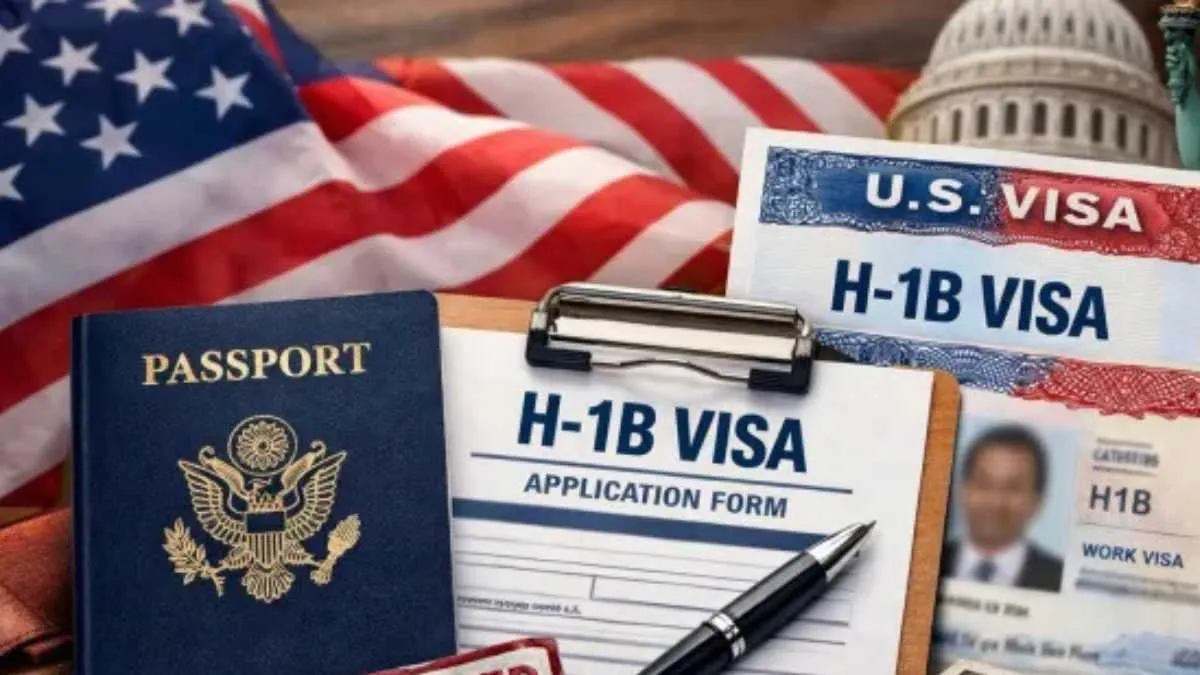
The United States has imposed tighter rules for companies sponsoring foreign employees for employment-based Green Cards, a measure that could make permanent residency more difficult and time-consuming for thousands of Indian professionals. The proposed revision would necessitate employers to advertise vacancies for longer periods, conduct broader recruitment of American workers and face scrutiny if they have recently laid off US employees.
The US Department of Labor (DOL) declared the proposed overhaul of its Permanent Labour Certification programme, also known as PERM, on November 16, 2026. The proposal, posterd in the Federal Register on November 17, ushers in a maiden major revision of the programme in around two decades.
What Is PERM and Why Does It Matter?
PERM is a compulsory labour certification process for most US employers sponsoring foreign workers under employment-based Green Card categories such as EB-2 and EB-3.
Companies must showcase that they made genuine bid to find qualified American workers and that hiring a foreign employee will not negatively impact domestic wages or working conditions. Once the Department of Labor certifies the application, employers can generally proceed with filing Form I-140 with US Citizenship and Immigration Services (USCIS).
Not every Green Card category requires PERM. For example, some EB-1 applications and EB-2 National Interest Waiver applications can follow varied routes.
Four Major Changes in the US H1B Visa Proposed Rules
1. Job advertisements for at least 90 days
Employers may have to advertise vacancies for a minimum of 90 calendar days, compared with the present 30-day recruitment. The proposal also underscores online recruitment through company websites, job portals, social media, job fairs and university recruitment programmes.
2. Restrictions after US layoffs
Companies that laid off American employees in same occupations at the relevant work location during the earlier two years could witness limiations on sponsoring foreign workers for those positions.
3. Lesser exemptions for some professions
Professional nurses, physical therapists and some professionals with exceptional ability in science or arts could lose present Schedule A exemptions from the standard labour market test.
4. Tighter documentation
Employers would see stricter recordkeeping and compliance requirements to showcase that American applicants secure fair consideration.
What Does This Mean for Indian Workers?
Indian professionals, especially those working in the US on H-1B visas and waiting for employer-sponsored Green Cards, could see additional challenges if the proposal turns into law.
The technology sector could be especially impacted because numerous IT companies and outsourcing firms sponsor Indian employees under EB-2 and EB-3 categories.
The proposed revisions could have three massive implications:
- Longer Green Card processing: The 90-day recruitment requirement could rise the time employers need before filing labour certification applications.
- Lesser sponsorship scope: Companies with recent layoffs may find it more difficult to sponsor foreign employees for similar positions.
- More employer scrutiny: Additional recruitment and documentation requirements could make companies more cautious about sponsoring foreign workers.
However, the proposal does not automatically cancel existing Green Card applications, revoke H-1B visas introduces a nationality-based restriction on Indian applicants. It also does not directly change annual Green Card quotas or priority dates.
When Will the New H1B Visa Rules be Implemented?
The proposed regulations are not yet culminative. The Department of Labor has started a 60-day public consultation period following their November 17 publication in the Federal Register.
Green Card Sponsorship Rules for Graduates
The US Department of Labor has proposed tougher Green Card sponsorship rules that could affect Indian graduates seeking permanent residency through EB-2 and EB-3 visas. The proposed overhaul of the PERM programme would require employers to advertise vacancies online for at least 90 days and demonstrate genuine efforts to recruit qualified American workers. Companies that laid off US employees in similar roles during the previous two years could face restrictions on sponsoring foreign workers. The proposal also seeks to remove certain exemptions for nurses and physical therapists. Indian students on F-1 visas will not immediately lose OPT or STEM OPT eligibility. The changes are not final yet.

At Jagran Josh, she specialises in writing explainers and analytical stories on international news and current affairs. Over the years, she has developed strong expertise in leveraging digital and multimedia tools, along with SEO best practices, to enhance the speed, reach, and impact of her stories.