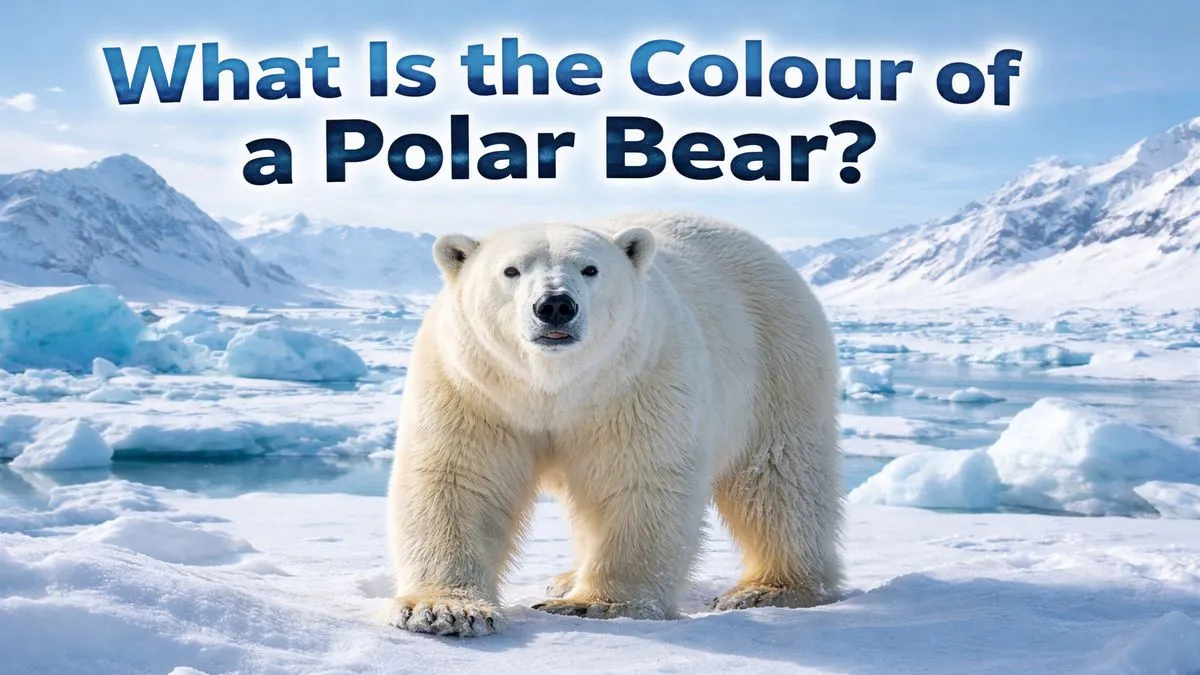
The polar bear is the largest in the world, and it is one of the top predators in the Arctic region, representing a powerful symbol of the strength and endurance of the Arctic. They are generally found in the areas of Alaska, Canada, Greenland, Russia, and Norway on the ocean, predominantly on or near the sea ice across the icy coastlines of the Arctic Ocean. They are the largest land-dwelling carnivores on Earth and are uniquely adapted to survive in one of the harshest climates on the planet.
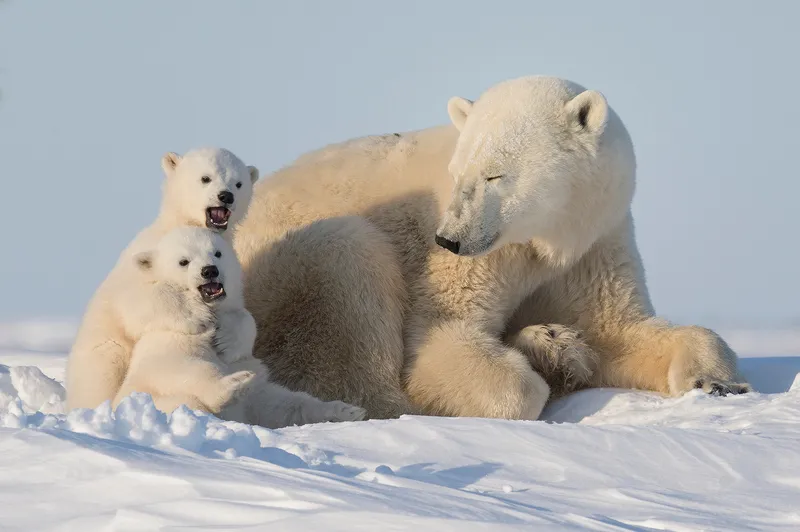
Source: worldwildlife
But have you ever realised what the colour of a Polar Bear is?
Everyone sees and talks about the colour of Polar Bear is in White. But, is this actually true, or is there some scientific nature behind the appearance of the white colour of the Polar Bear?
Is it possible to have different colours, rather than what we see?
So, there are many queries related to the Polar Bear's actual colours.
To find what is the exact answer with scientific proof, let’s explore this article in more detail and get to know the answer to the colour of a Polar Bear.
Source: worldwildlife
What Is the Colour of a Polar Bear?
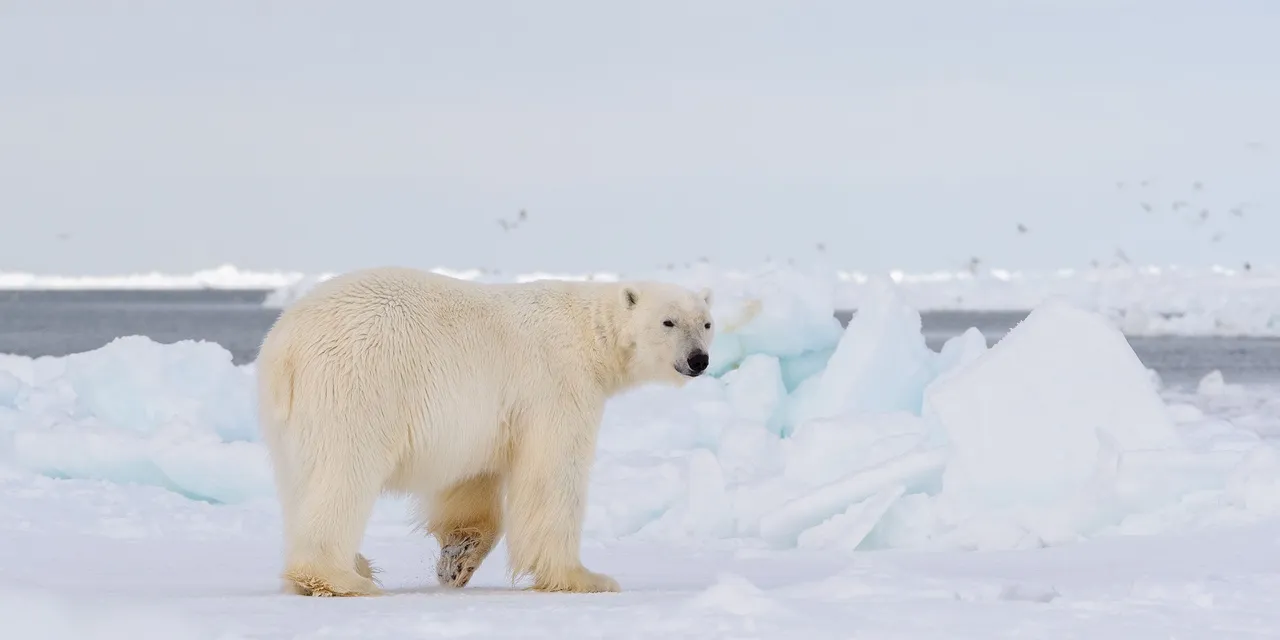
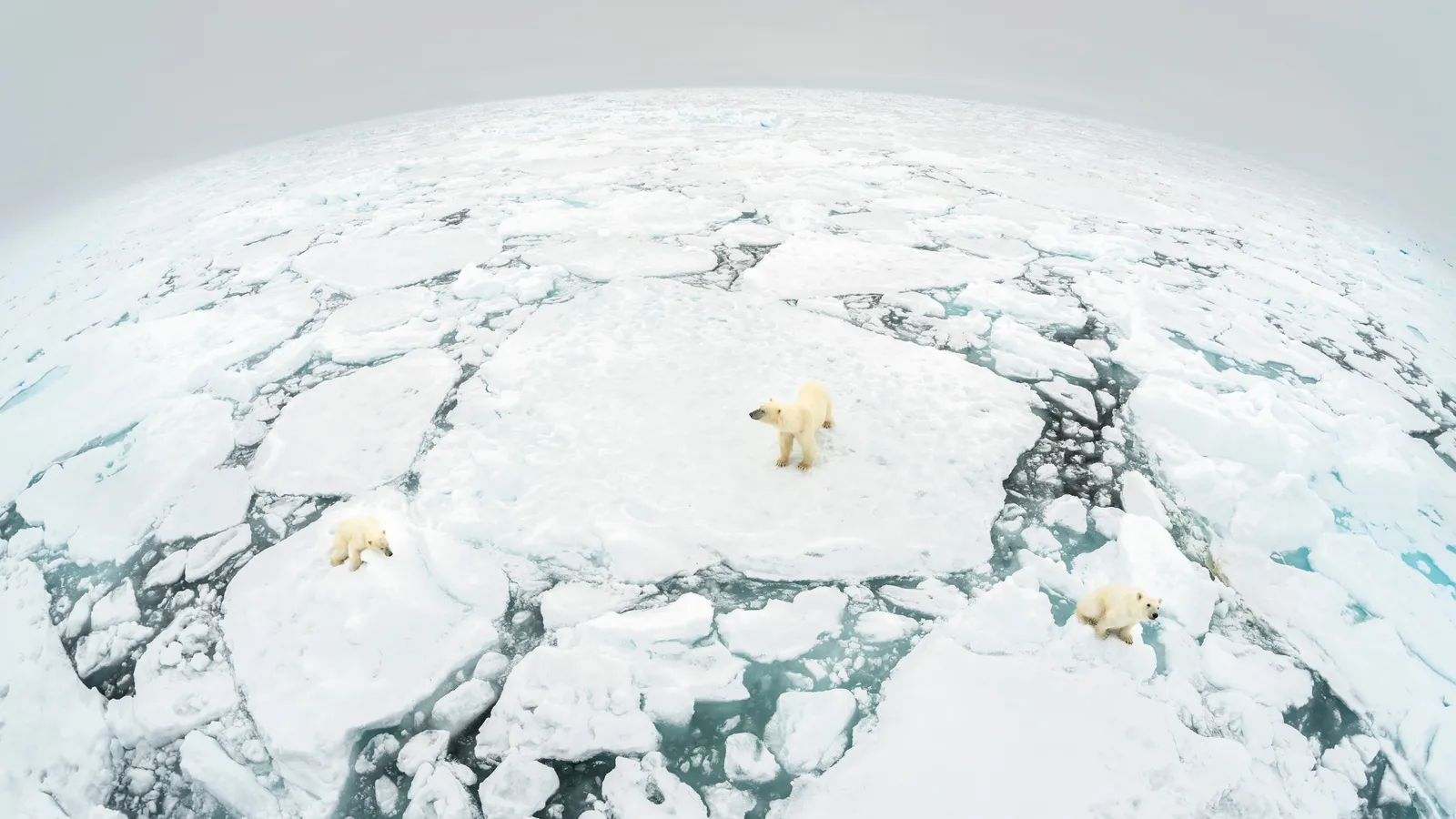
In the eyes of a human being, a polar bear looks white, particularly in the snowy and icy Arctic environment. This visual image is important in that it aids the animal to become part of the environment as it hunts and travels through the frozen areas of ice.
But going by the verified sources like National Park Service and Environment and Climatic Change Canada, there is no visible white pigmentation in the fur.
What are the Scientific Nature of Polar Bear Fur?
The fur used by polar bears is comprised of thousands of hairs, and they are:
-
Transparent and hollow
-
Free from white pigment
-
The structure is intended to reflect sunlight.
Since these hairs reflect the light of visibility, it makes the fur look white. This effect of nature is the cause of the icy appearance of the polar bear instead of their real white colour on the hair set up.
The official governmental research on the nature of wildlife states that this characteristic develops camouflage, where polar bears can be closer to their prey with convenience in the ice-covered areas.
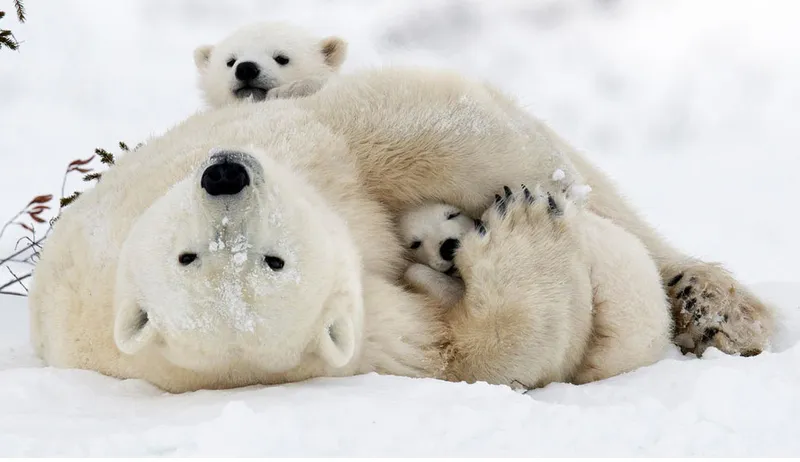
Source: worldwildlife
What is the Colour Beneath the Fur of a Polar Bear?
Beneath the thick layer of fur, a polar bear’s skin is black.
This fact is confirmed by official resources from the National Park Service and Canadian wildlife authorities. The dark skin plays a vital role in:
-
Absorbing solar heat
-
Retaining body warmth
-
Helping to survive in minus degrees.
The black skin, along with a layer of soft white fat (blubber), enables the polar bears to keep a steady temperature despite the frosty temperatures.
Why do Polar Bears Sometimes Look Different in Colour?
Polar bears may have a slight variation of colour, as a result of environmental conditions: though they are mostly white, their colouration may shift depending on the environment.
-
Yellowish tint caused by ageing fur or natural oils
-
Brownish appearance from dirt or mud
-
Greenish tones (rarely) in captive environments due to algae growth inside hair shafts
These changes are temporary and do not alter the biological structure of the fur or skin.
Source: worldwildlife
Why is it important to adapt the different types of colour for the Polar Bear?
The polar bears have colour properties that are not mere visual aspects; they are survival features. The reason is that their fur is very light coloured, such that they are not easily seen in snowy places, and their skins are dark in colour, which enables them to absorb warmth. With climate change causing a steady fall in Arctic ice pools, researchers are also examining these adaptations carefully with regard to how they will be influenced at some point in future.
Conclusion
So finally, you must now be aware, what is the colour of a polar bear? It is scientifically proven that the answer goes beyond a simple visual description. A polar bear appears white, has transparent fur, but they have black skin underneath. This unique combination, confirmed by government and environmental authorities, makes the polar bear one of nature’s most fascinating examples of adaptation to extreme environments.




Comments
All Comments (0)
Join the conversation