What Qualifies as ‘Tea’? Check FSSAI Clarification Here
The FSSAI recently established a strict regulatory boundary , mandating that only products derived from Camellia sinensis qualify as "tea." This directive aims to eliminate market confusion by reclassifying herbal blends as "infusions," a move strongly supported by the Assam tea industry to protect the integrity of genuine tea brands.
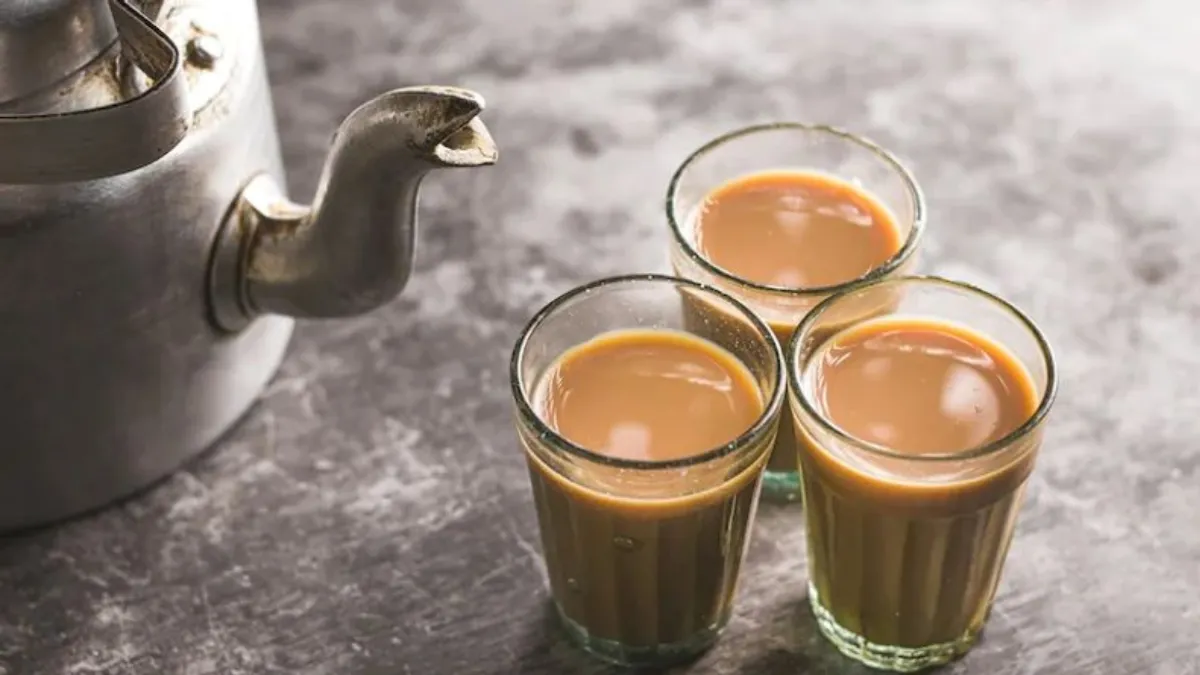
FSSAI has now clarified that only beverages derived from the plant Camellia sinensis will constitute "tea," while all other herbal infusions and plant-based blends cannot be termed as tea. This order, issued on December 24, 2025, is targeted at preventing misbranding and ensuring consumer safety in the growing wellness market confusion. Industry players in Assam, the top tea-producing region of India, have hailed the move for bringing greater transparency into the market.
FSSAI Definition of Tea
Tea only can be manufactured from leaves, buds, and tender stems of Camellia sinensis, including black, green, oolong, white, pu-erh, Kangra, and instant teas. Food Safety and Standards (Food Product Standards and Food Additives) Regulations, 2011, under section 2.10.1 specify this plant as the only plant. Flavored tea with the addition of Camellia sinensis would still be considered compliant, provided it is suitably labeled.
Excluded Products
Herbal infusion from flowers, roots, seeds, or any other botanicals, like rooibos, tulsi, rose, or camomile, for instance, cannot be referred to as tea. These fit into proprietary food items or unspecified categories but need proper naming not to mislead consumers. E-commerce platforms and operators should immediately revise the listings to comply with this.
Industry Reactions Assam
Assam tea leaders, including North Eastern Tea Association adviser Bidyananda Barkakoty, hailed the clarification as it removed consumer ambiguity and clutter from the market.
Confederation of Indian Small Tea Growers' Association president Bijoy Gopal Chakraborty followed up by highlighting the healthy aspects of tea, which is inherently available in Camellia sinensis. The ruling bolsters Assam and Darjeeling teas' global reputation amid a 40-45% annual flavored tea market growth.
Quality Standards Tea
The FSSAI requires that the teas conform to the following specifications: moisture not more than 5%, water-soluble ash not less than 45% of total ash, and water extract not less than 32%.
Check Out - What is a Group of Raccoons Called?
Acid-insoluble ash is below 1%, crude fiber below 16.5%, and for Kangra tea, 9-19% total catechins. Pesticides have to be within Maximum Residue Limits for safe consumption.
Consumer Marketplace Impact
This directive tackles the misuse of the term "tea" in thriving wellness sections. Standards specified by the US FDA acknowledge only Camellia sinensis as true tea. Any non-compliant product would then be held liable for misbranding under the Food Safety and Standards Act, 2006.
Consumers benefit from clarity while genuine producers benefit from protected branding in urban markets. It takes a village to bring up even one child. Compliance Labeling Tips Operators shall label non-tea infusions accordingly, like "herbal infusion" instead of "herbal tea."
Flavored teas require "FLAVOURED TEA" declarations; pectinase enzyme use is capped. Businesses are called upon to revisit packaging and stop selling items not in compliance without delay. Consult full requirements through FSSAI resources to avoid violations.
Check Out - What is a Group of Flamingos Called?

Kirti Sharma is a journalist in the education domain with three and a half years of experience creating high-quality content for the education technology (EdTech) and digital media industries. She has an expertise in covering education news. Kirti has experience in writing data backed informational pieces on General knowledge.
Kirti holds a Bachelor of Arts degree, which helped build her strong foundation in writing and research. Over the course of her career, she has brought her skills to a variety of well-known companies, including ThoughtPartners Global, Infinite Group, and MIM-Essay. Through these roles, she has learned how to take complex information and turn it into engaging, easy-to-understand content for readers online.


.jpg)
![[OUT] UPSSSC PET Admit Card 2026 LIVE: यूपी पीईटी एडमिट कार्ड जारी, upsssc.gov.in पर Direct Link](https://img.jagranjosh.com/images/2026/October/15102026/UPSSSC-PET-Admit-Card-2026.jpg)