Why are Hurricanes Named? Reason Behind Female Names and Naming Process
Ever wonder why hurricanes get human names? Learn the simple reasons for Hurricanes naming, reason behind women-only names, why it saves lives and how they are named.
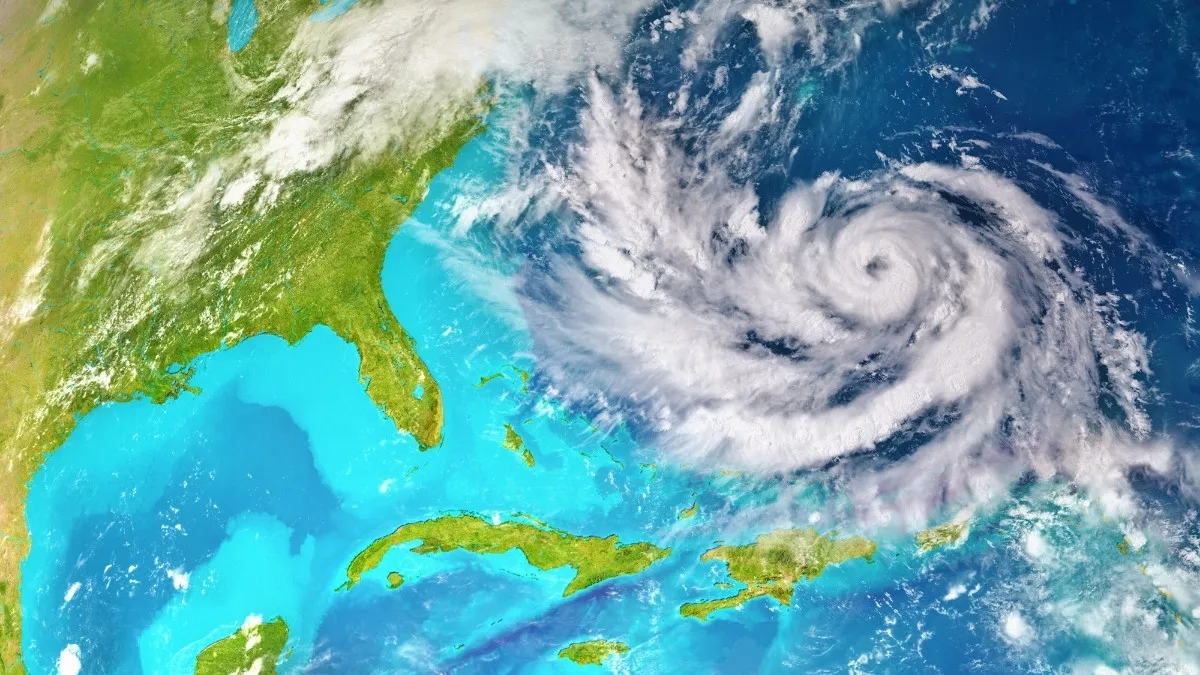
Do you know why hurricanes are named? Hurricanes are named to make it easier for everyone to recognize and recall strong storms in advance.
The enormous storms, with wind speeds exceeding 74 mph, have the potential to destroy entire coastlines and inland regions, impacting millions, such as Hurricane Katrina in 2005, which incurred damages exceeding $125 billion as per the NHC.
In this article, understand the reasons behind why hurricanes are named, their rich history including female-only names, why it saves lives and how they are named.
Why are Hurricanes Named?
The naming of hurricanes began in the 1950s, in an effort to clarify communication and increase awareness when disaster strikes.
In line with WMO guidelines and NHC findings, hurricane names capture attention more easily than numeric systems or location coordinates.
This approach avoids any confusion, for instance, between "Hurricane Alex" vs "Tropical Cyclone Number 5."
Hurricane Naming helps media, authorities, and civilians prepare faster in order to save lives.
For example, in 2024, "Hurricane Helene" was the cause for many alarms raised across the United States (data from NHC).
This hurricane name was easy-to-remember names that made complicated weather predictions easier to understand.
Check: What are the Costliest Hurricanes in the U.S.?
Is there a Reason Why Hurricanes are Named after Women?
Between the '50s and '78, the United States mostly had feminine names such as Carol and Camille since military forecasters got names from women's name books.
Hurricanes Names after females was seen as sexist by the '70s, especially by women's advocacy groups.
Nowadays, hurricanes no longer get their names from females. Hurricane names alternate genders like: Alex (male), for example, and Beryl (female)—to ensure simplicity worldwide.
This is done to ensure fairness. Did you know that no famous hurricanes were named after men back then, but now it's equal!
-
Pre-1979: All-female lists (e.g., Agnes, Betsy).
-
1979 onward: Rotating male/female (e.g., 2025 list: Alberto, Beryl).
-
Retired names: Devastating storms like Andrew (1992) get permanent blacklists to honor victims.
Read: List of Top 5 Most Powerful Hurricanes in the U.S.
How Are Hurricanes Named?
Hurricanes adhere to WMO guidelines that govern naming conventions globally. Once a tropical cyclone reaches 39 miles per hour, it receives a name based on lists updated every six years.
Currently, there are six lists that will be used between 2021 and 2026 before recycling.
The hurricane names must be short and pronounceable in English, Spanish, and French while avoiding any cultural insensitivity.
Atlantic Hurricane Names are provided by the NHC, whereas other basins such as Pacific have separate lists.
Should the hurricane cause significant loss of life or property, the name would be retired permanently.
Initially, Greek letters were an option, but they were discarded in 2021 due to confusion.
| Year Example | List Highlights | Notes |
| 2024 | Beryl, Debby, Helene | Beryl was the earliest "B" storm ever. |
| 2025 | Alberto, Chantal, Derek | Alternates male/female; skips Q, U, X, Y, Z. |
| Retired | Katrina (2005), Maria (2017) | Replaced to avoid emotional reuse. |
Lists have 21 names each, enough for a busy season (average 14 named storms).
Know about the Quote of the Day by Adolf Hitler here.
Conclusion
Hurricanes have been named to ensure clear and rapid communication that ultimately saves lives by creating personal associations with the natural phenomenon and increasing awareness on how to respond to the approaching storm—whether removing "women's names only" or using globally rotated names through WMO/NHC guidelines.

Alisha Louis is a US content specialist with over 3 years of experience in journalism and storytelling. A graduate with a Bachelor’s degree in Journalism and Mass Communication (BJMC), Alisha has focused her career on covering trending news and major educational developments across the United States. Her sharp eye for detail, combined with a strong journalistic point of view, helps her break down complex American educational topics into accessible, engaging narratives for a global audience. Dedicated to delivering timely and trustworthy reporting, she brings a fresh and insightful perspective to the evolving US academic landscape.

-1789325468578_t.webp)