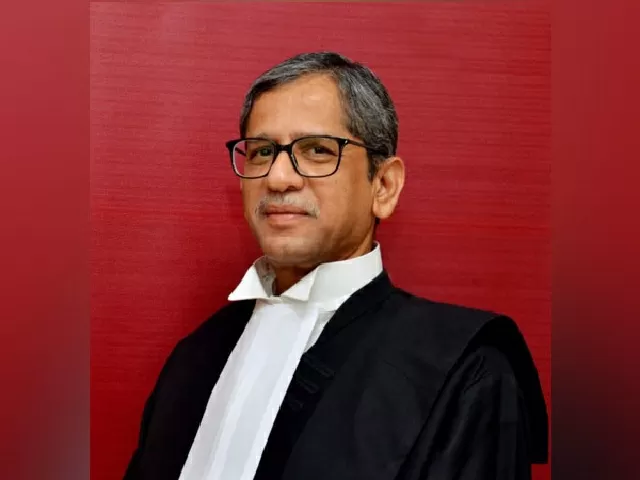
Chief Justice of India N V Ramana said on August 8, 2021, that the threat to human rights is highest in police stations as the custodial torture and other police atrocities still prevail in India and even the privileged are not spared of the third-degree treatment.
CJI was batting for a nationwide effort for the sensitization of police officers. He was speaking at the launch of a legal service mobile application and the vision and the mission statement of NALSA at Vigyan Bhawan.
The mobile app aims at further helping the needy and poor people in applying for legal aid and seek victim compensation.
Project Access to Justice:
The Chief Justice of India, while terming the project Access to Justice as an unending mission, said that for becoming the society that is governed by the rule of law, it was essential to bridge the gap of accessibility to justice between the most vulnerable and highly privileged.
He further added that, if as an institution, the judiciary wants to achieve the faith of the citizens, it has to make sure that everyone feels assured that we exist for them. For the longest time, the vulnerable population has lived outside the system of justice.
Threat to human rights and bodily integrity highest in police stations:
While talking about the legal aids, the CJI highlighted that the threat to human rights and bodily integrity are highest in the police stations. Police atrocities and custodial tortures are also the problems that still prevail in our society.
In spite of the constitutional declarations and the guarantees, the lack of effective legal representation at the police stations is a huge detriment to detained/arrested persons.
CJI also said that the decisions taken in these early hours determine the ability of the accused to defend himself.
Gap of accessibility to justice between highly privileged and most vulnerable:
The CJI, while stressing the need for bridging the gap of accessibility to justice between the highly privileged and most vulnerable, stated that realties of the socio-economic diversity which prevail in India, cannot ever be a reason for the denial of rights.
Furthermore, the prevailing obstacles such as internet connectivity and lengthy, expensive, and painstaking justice process add to the woes of realizing the goals of access to justice in India. The majority of those who lack access to justice are from remote and rural areas suffering from a lack of connectivity.
What does CJI suggests should be done to ensure legal aid services? |
• The Chief Justice of India, who is also the Patron-in-Chief of NALSA (National Legal Services Authority), stated that to keep the police excesses in check, dissemination of the information regarding the constitutional right to legal aid and the availability of free legal aid services is necessary.
• The installation of the outdoor hoardings and display boards in every police station/prison is a step in this direction.
• The CJI further suggests that NALSA (National Legal Services Authority) must also actively carry out the nationwide sensitization of the police officers.
• The postal network can also be utilized to spread awareness regarding the availability of free legal aid services as well as to increase the outreach of the legal services to persons residing in far-flung areas in the country.
• The Chief Justice of India has also asked the lawyers, particularly seniors, to help those in need of legal assistance and has urged the media to spread the message of service of NALSA.


-1766489490524.jpg)
-1766746585295.jpg)
-1766737982370.jpg)
Comments
All Comments (0)
Join the conversation