2026 Set to Be World’s 2nd-Hottest Year Ever: UN; Check Most Affected Nations, Reasons for Record-Breaking El Niño, Warning for 2027
The WMO report noted that the global average surface temperature between January and September 2026 was approximately 1.47°C above pre-industrial levels (1850–1900).
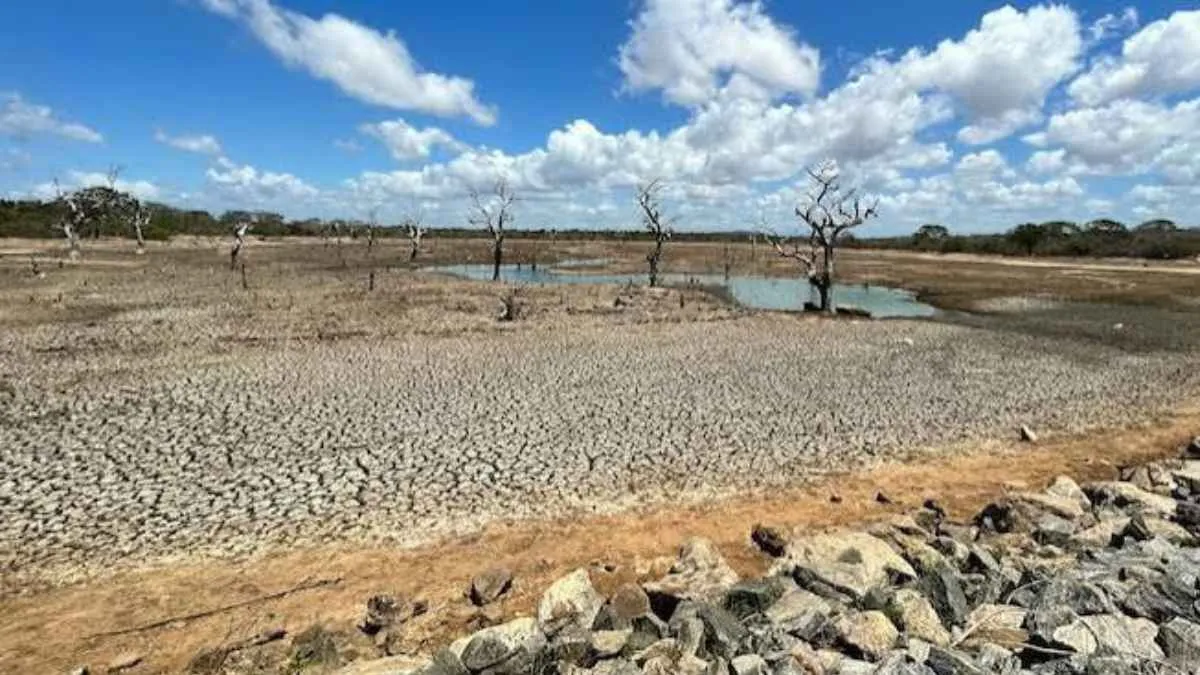
The year 2026 is set to become one of the four hottest years ever recorded, thus igniting new concerns about the elevating climate crisis. According to the World Meteorological Organization (WMO), soaring global temperatures, record-breaking ocean heat and an aggravating El Niño phenomenon are boosting the risk of extreme weather patterns across the world.
The warning comes from the WMO’s State of the Climate Update 2026, released on November 9 as world leaders met in Antalya, Türkiye, for the COP31 climate summit.
Why is 2026 witnessing extreme temperatures?
The WMO report noted that the global average surface temperature between January and September 2026 was approximately 1.47°C above pre-industrial levels (1850–1900).
The period from 2015 to 2026 is also likely to be the warmest 12-year period on record. The four warmest years are now forecasted to be 2023, 2024, 2025 and 2026, with 2024 still sustaining its spot as the hottest year so far.
The main driver behind this warming is human-induced climate change such as the persisting bburning of fossil fuels such as coal, oil and natural gas releases greenhouse gases that trap heat in the atmosphere.
An escalating El Niño is fuelling the issue. This naturally occurring climate phenomenon involves unnaturally hot ocean temperatures in the Pacific, impacting global weather patterns and escalating temperatures. The present El Niño is expected to bolster further and could impact temperatures well into 2027.
Oceans and rising sea levels fuel the concerns
The consequences of global warming are visible in the oceans. According to the WMO, ocean heat has crossed record levels for the tenth consecutive year, while global sea levels have jumped to their maximum since satellite monitoring started in 1993.
Oceans absorb around 90 per cent of the intense heat trapped by greenhouse gases. Hotter seawater expands, while melting glaciers and ice sheets add more water to the oceans, thus exposing the risk of coastal flooding.
What does this mean for the future?
Soaring temperatures are making heatwaves, droughts, tropical cyclones and extreme rainfall increasingly dangerous. These happenings endanger agriculture, food security, water supplies, public health and livelihoods.
At COP31, UN Secretary-General António Guterres urged governments to bolster emissions reductions, shifting away from fossil fuels and offering financial assistance to climate-vulnerable countries.
Why Scientists Are Worried About 2027?
The World Meteorological Organisation (WMO), in its recent climate review released on Monday, provided a more cautious forecast and warned that an unusually powerful El Niño could push temperatures higher in 2027.
WMO Secretary-General Celeste Saulo regarded the expected intensity of the phenomenon as being "off the charts".

At Jagran Josh, she specialises in writing explainers and analytical stories on international news and current affairs. Over the years, she has developed strong expertise in leveraging digital and multimedia tools, along with SEO best practices, to enhance the speed, reach, and impact of her stories.