Which Animal Sleeps With One Eye Open And The Other Closed? List of Top 9; Check Here!
Animals that Sleep with One-eye Open: Some animals have a unique way of sleeping—with one eye open and the other closed. This behaviour, known as unihemispheric slow-wave sleep, allows half of their brain to rest while the other half stays alert. It helps them watch for predators and stay safe. Birds, dolphins, and some reptiles use this method.
Most animals need sleep to rest and recover. But not all animals sleep the same way. Some sleep deeply for long hours.
Others take short naps throughout the day. Sleep patterns vary depending on the animal's size, habitat, and lifestyle. Some animals have a special way of sleeping. They sleep with one eye open and the other closed.
This may sound strange, but it helps them stay alert. While half their brain rests, the other half stays awake. This is called unihemispheric slow-wave sleep. It allows animals to watch for danger even while sleeping.
Birds and marine animals, such as dolphins, use this method. It helps them survive in the wild. In this article, we'll examine how this works. We'll explore which animals sleep in this way, why they do so, and what science has to say about it.
List of Animals That Sleep With Open Eyes
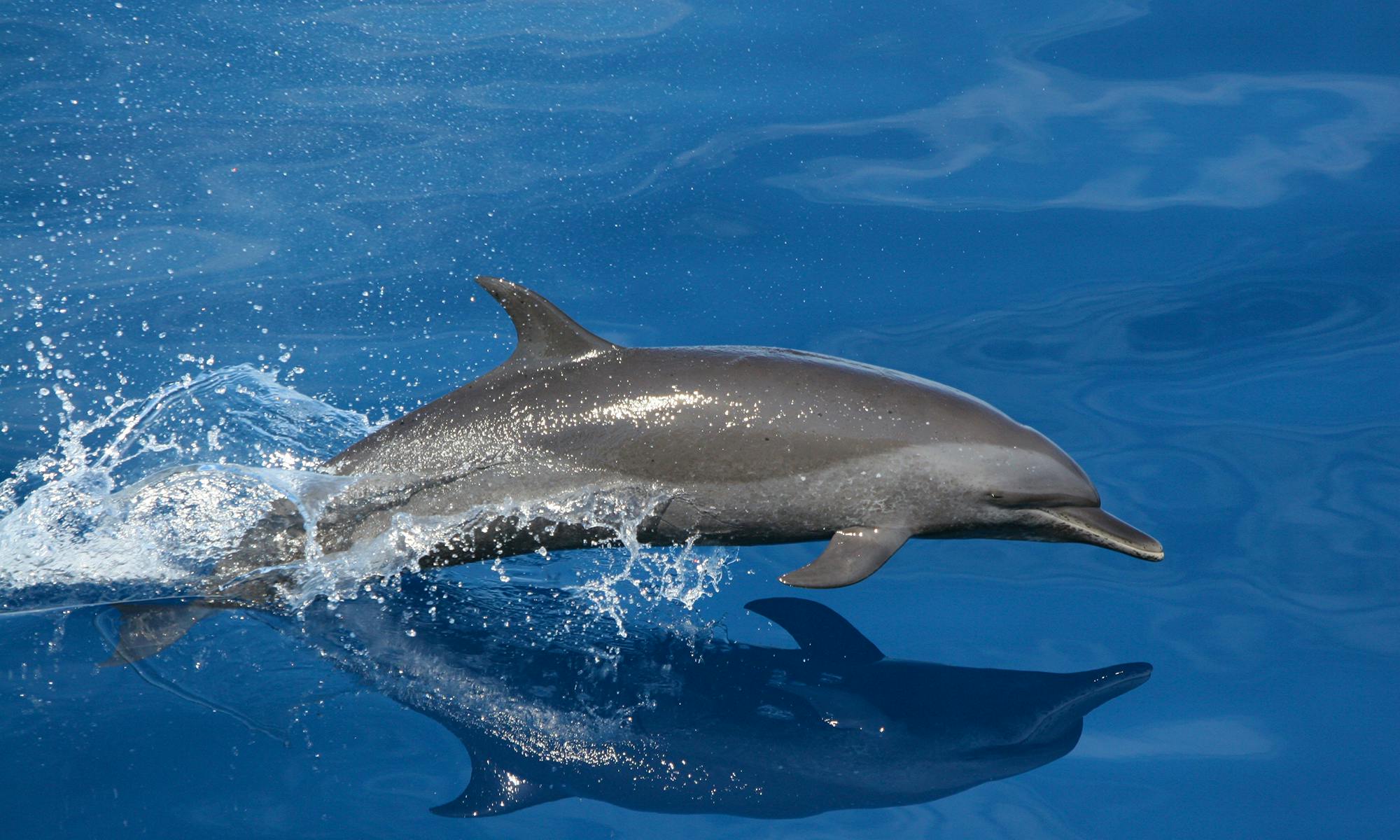
The dolphin is one of the most notable animals that sleep with one eye open and the other closed, thanks to a phenomenon known as unihemispheric slow-wave sleep (USWS).
 However, several other animals also display this unique sleeping adaptation. Animals developed this behaviour for protection, environmental awareness, and survival.
| Animal | Behaviors & Mechanisms | Purpose/Benefits | Unique Features |
| Dolphin | Unihemispheric slow-wave sleep (USWS): one eye open, opposite hemisphere awake | Monitors the environment, surfaces to breathe | No REM sleep; social behaviour |
| Mallard Duck | Flock sentinels keep one eye open; swap lookout duty | Predator vigilance, group safety | Sleep responsibility rotates |
| Fur Seal | Sleeps in water with one eye open, half brain awake | Maintains awareness of predators, breathing | Can sleep on land with both hemispheres |
| Penguin | Unihemispheric sleep, or partial eye closure | Offspring protection, predator awareness | Sleep while standing |
| Geese | Sleep in groups; leaders stay awake with one eye open | Safety during sleep, especially while floating | Rotating vigilance in a flock |
| Oystercatchers | Group sleeping, open-eye vigilance near disturbance | Alertness to predators and humans | Can lessen vigilance in safe settings |
| Birds (general) | USWS allows one eye open, half-brain alert | Flexible control, environmental monitoring | Only known animals with voluntary control of the eye/hemisphere |
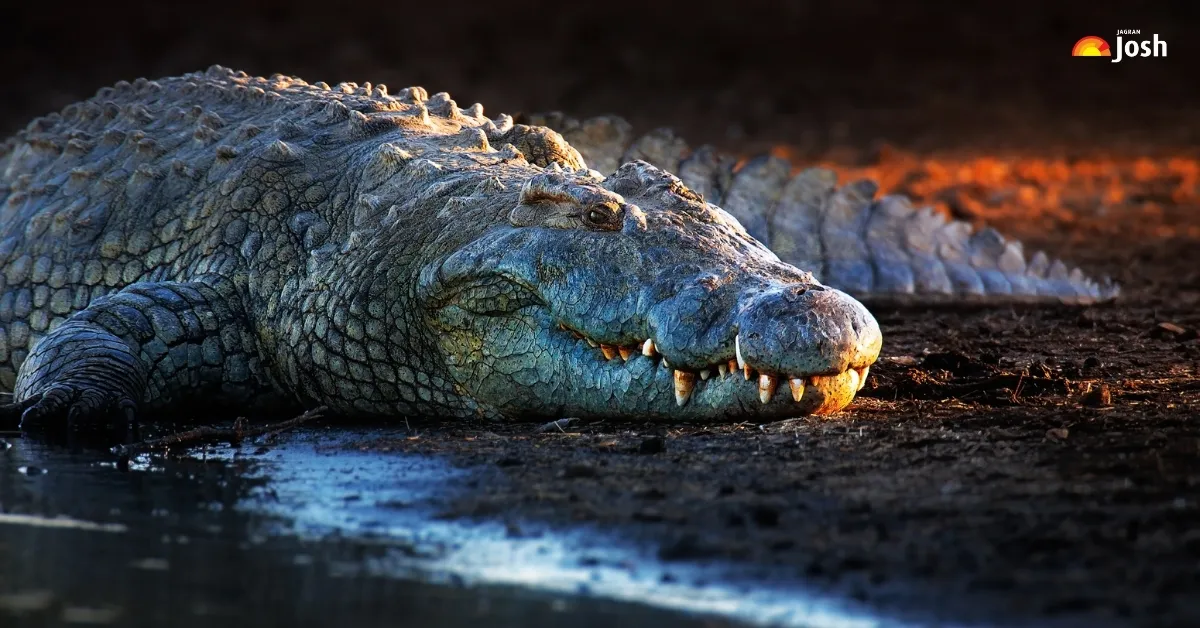
| Crocodile | May sleep with one eye open near water | Staying alert for prey and threats | Instinctive and adaptive to habitat |
| Frigate Bird | Sleeps in flight, one hemisphere awake | Efficient long flights, predator vigilance | Maintains attention while flying |
How Does This Work?
This behaviour is known as unihemispheric slow-wave sleep (USWS). It's a type of sleep where only one half of the brain (one cerebral hemisphere) sleeps at a time, while the other half stays awake. This allows the animal to rest while remaining alert to its surroundings.
Imagine your brain is a house with two rooms. Usually, when you sleep, both rooms go dark. With USWS, one room stays lit and active, while the other room goes dark to rest.
- Half Asleep, Half Awake: One hemisphere of the brain enters a deep sleep state (slow-wave sleep), showing the brain wave patterns of a sleeping animal. At the same time, the other hemisphere remains awake, displaying the brain wave patterns of an alert animal.
- One Eye Open: The awake half of the brain controls the eye on the opposite side of the body. So, if the left side of the brain is awake, the right eye stays open. This enables the animal to remain vigilant for predators or other threats.
- Switching Sides: The hemispheres can take turns. After a period of sleep, the hemisphere that was awake will fall asleep, and the previously sleeping hemisphere will wake up. This ensures the entire brain gets the rest it needs.
Why is it Necessary?

For animals like dolphins, seals, and birds, USWS is an essential survival mechanism.
- Predator Vigilance: Animals in a flock or herd can take turns sleeping with one eye open, ensuring constant vigilance for danger.
- Physical Needs: Marine mammals, such as dolphins and seals, must periodically surface for air. USWS allows them to rest while remaining conscious enough to control their breathing and not drown.
- Migration: Birds like the Frigate Birds can sleep while flying on long journeys, conserving energy without having to land.
Sleeping with one eye open allows these animals to balance the need for restorative sleep with the need to survive in environments full of threats, illustrating diverse and brilliant evolutionary solutions.

Kriti Barua is a skilled digital journalist and communications professional with 4+ years of experience, currently writing for the General Knowledge section at Jagran New Media. She has established herself as a subject matter expert in History, Geography, Trending National and International News, Sports, Science, and Defence, producing clear, reliable, and search-optimised content that connects with readers worldwide.
Kriti holds a BA degree from Delhi University and a one-year diploma in TV Production and Journalism, an academic background that adds research depth and strong storytelling instincts to her writing. Her experience spans brand writing, content marketing, and digital media, giving her a sharp understanding of what makes content both helpful to readers and visible in search.
At Jagran New Media, she applies this expertise to national and international news coverage, query-based articles, and in-depth pieces across her specialist subject areas. Her content is defined by easy language, factual accuracy, strong keyword strategy, and reader-friendly storytelling.