List of 10 Forests in India that Glow in the Dark
India's glowing forests are a rare natural wonder caused by bioluminescent fungi and insects. These forests come alive during the monsoon season, particularly in humid and damp regions. One of the most famous glowing forests is in the Western Ghats of Maharashtra, where Mycena mushrooms create a magical blue-green glow. Other notable areas with glowing spots are found in Kerala, Goa, and the Northeast.
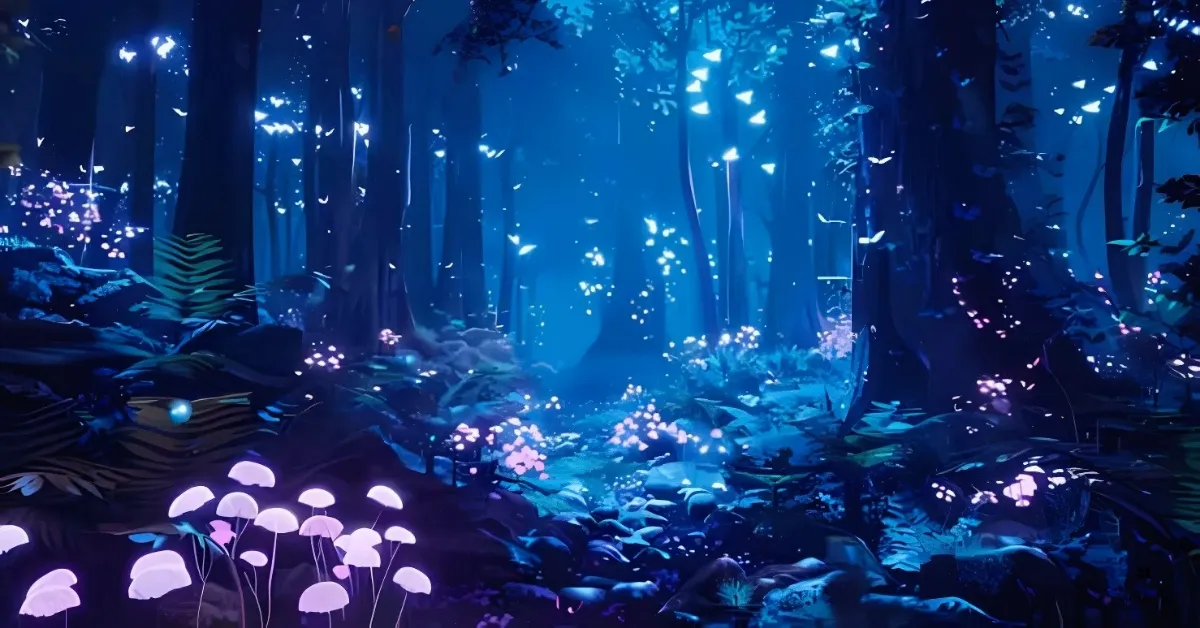
India is home to some magical forests that glow in the dark. These glowing forests are a result of bioluminescence—a natural light produced by living organisms like fungi, algae, or insects. When the conditions are just right, the forest floor, tree trunks, or even streams sparkle with a soft blue or green glow. This typically occurs during the monsoon or immediately after heavy rains, when moisture enables these organisms to thrive.
Did you know? Some mushrooms in India glow so brightly that you can spot them from a distance. Can you guess which state has the most glowing forests? In this article, we'll take a look at seven forests across India where you can witness this rare and beautiful phenomenon. From the Western Ghats to the Northeast, each forest has its own unique glow.
Also Read| List of 7 Bioluminescent Animals that Glow in the Dark
List of Bioluminescent Forests in India
India's bioluminescent forests present magical, luminous spectacles, where glowing fungi, fireflies, and plankton transform woodlands and beaches into radiant natural wonders—most vividly visible during the monsoon and early summer months.
| Rank | Forest/Location | State/Region | Bioluminescence Source |
| 1 | Bhimashankar Wildlife Sanctuary | Maharashtra | Fungi (Mycena) |
| 2 | Mhadei Wildlife Sanctuary | Goa | Fungi, Fireflies |
| 3 | Purushwadi Forest | Maharashtra | Fireflies |
| 4 | Krang Shuri Forest | Meghalaya | Fungi (mushrooms) |
| 5 | Ahupe Village | Maharashtra | Fungi, Fireflies |
| 6 | West Jaintia Hills | Meghalaya | Fungi |
| 7 | Velas Beach | Maharashtra | Plankton |
| 8 | Mattu-Padukere Beaches | Karnataka | Marine Plankton |
| 9 | Bangaram Island | Lakshadweep | Marine Plankton |
| 10 | Havelock Island | Andaman & Nicobar | Marine Plankton |
1. Bhimashankar Wildlife Sanctuary

Bhimashankar Wildlife Sanctuary, nestled in Maharashtra's Western Ghats, is famed for its vibrant biodiversity and bioluminescent phenomena, especially after the monsoon rains. The glow is primarily caused by Mycena fungi that emit a surreal green light across the forest floor at night. These glowing organisms thrive on decaying wood, adding to the mystical aura and captivating visitors and trekkers alike.
2. Mhadei Wildlife Sanctuary

Located in Goa, the Mhadei Wildlife Sanctuary is renowned for its rich ecosystems and extraordinary bioluminescent displays during the monsoon. Its dense, moist forest supports glowing fungi as well as fireflies, which light up dark trails, especially post-rain. Visitors can explore luminous patches caused by bioluminescent Mycena mushrooms, creating a greenish glow on the forest floor.
3. Purushwadi Forest
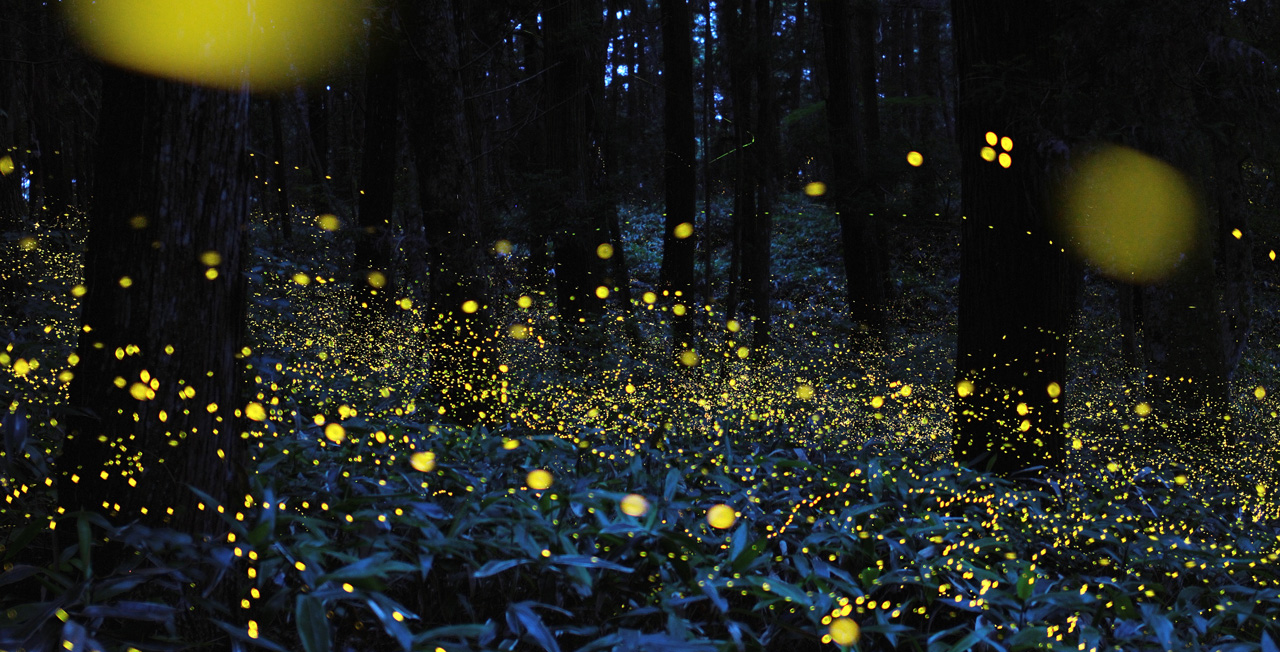
Nestled in the Sahyadri Hills of Maharashtra, Purushwadi Forest transforms during the annual firefly festival, just before the monsoons. Thousands of fireflies illuminate the forest with synchronous blinking lights, creating a charming and romantic atmosphere. This natural phenomenon is unique to Purushwadi, where the low light pollution allows for clear visibility of firefly displays. The spectacle best occurs from late May to early June.
For You| List of Top 6 Glowing Insects in the World
4. Krang Shuri Forest
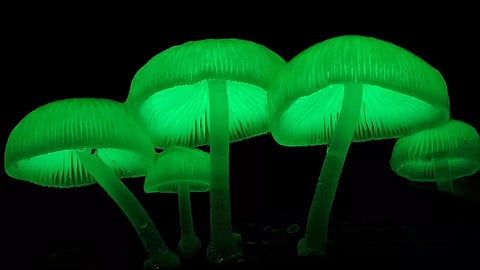
Krang Shuri in Meghalaya boasts a newly discovered species of bioluminescent mushrooms that thrive in moist conditions on dead bamboo. The mushrooms emit a brilliant green glow, transforming the forest into a luminous wonderland. This phenomenon is most visible from September to November, coinciding with Meghalaya's monsoon.
5. Ahupe Village
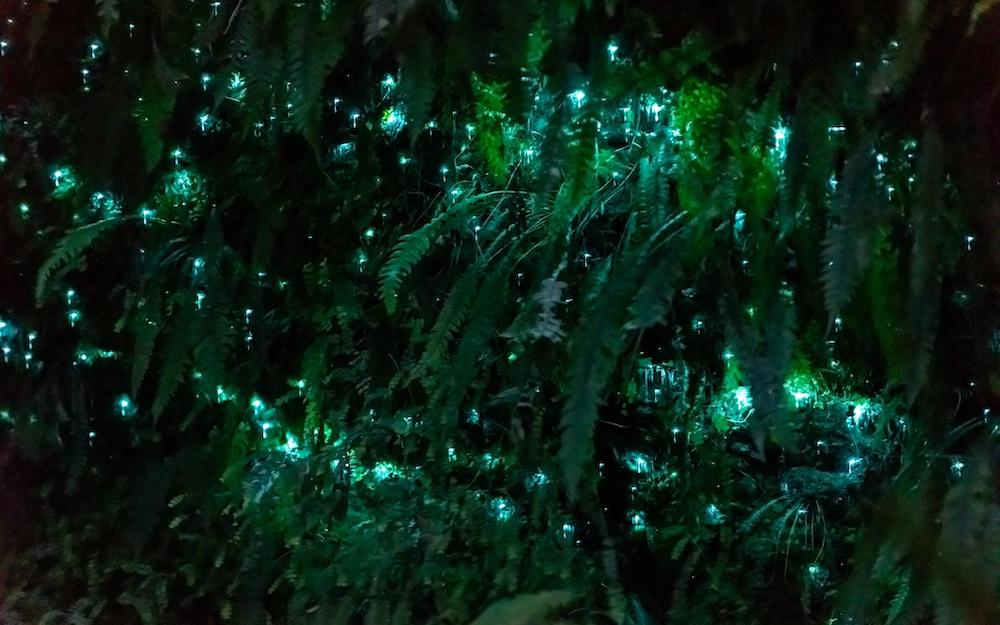
Located near the Bhimashankar Wildlife Sanctuary, Ahupe Village is a hidden gem in Maharashtra, where bioluminescent fungi and fireflies illuminate the forest floor during the rainy season. The Mycena genus of fungi is responsible for the mesmerising green light, especially prominent on moist nights.
6. West Jaintia Hills
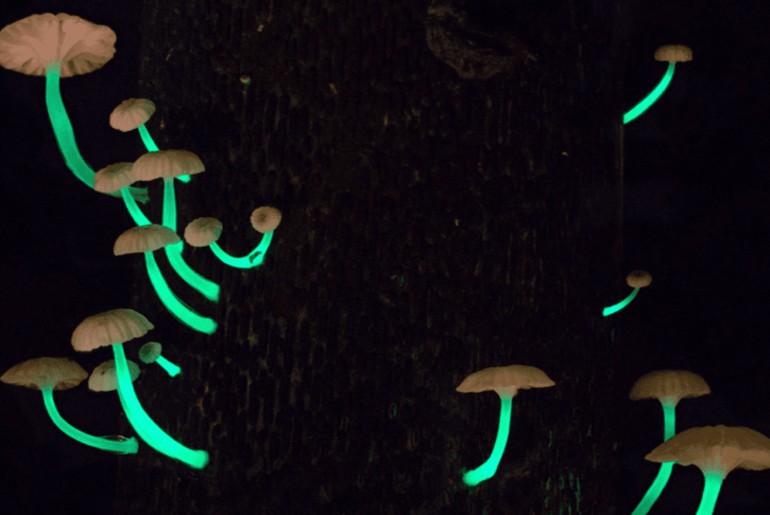
West Jaintia Hills in Meghalaya host vast expanses of forest where bioluminescent fungi shine during the rainy season. The faint, ethereal glow turns forest trails into fairy-tale landscapes, creating a unique destination for adventure seekers. This area's high humidity and lush vegetation foster the growth of glowing fungi.
7. Velas Beach
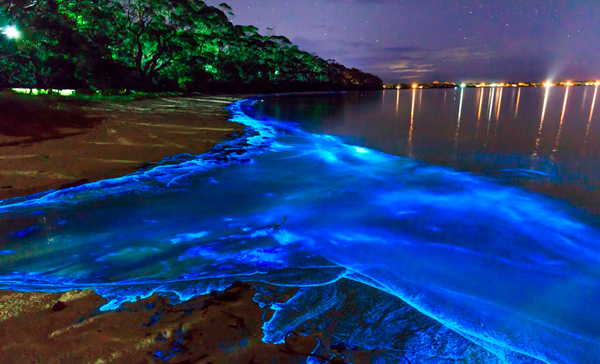
Velas Beach in Maharashtra is renowned for its mesmerising blue waves, which are caused by bioluminescent plankton. Best observed on moonless nights, these waves shine bright as they crash along the shoreline, particularly during the monsoon. Velas is also known for turtle conservation efforts, blending wildlife experiences with the marvel of glowing seas.
8. Mattu-Padukere Beaches

Mattu and Padukere are secluded beaches near Udupi, Karnataka, that glow at night. This stunning natural phenomenon is called bioluminescence. It is caused by a bloom of a microscopic organism called dinoflagellates or 'sea sparkle,' primarily Noctiluca scintillans. When the water is disturbed, like when waves crash or you walk near the shore, these tiny marine plankton emit a brilliant neon blue light as a defense mechanism. The best time to see this magical glow is on dark, moonless nights, particularly during the monsoon season (June to September).
9. Bangaram Island
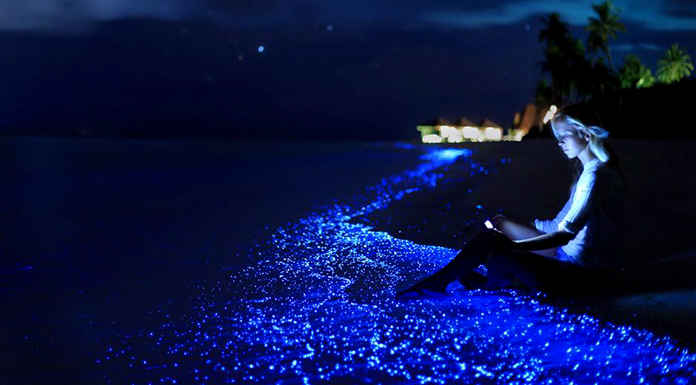
Bangaram Island, part of the Lakshadweep archipelago, is famous for its glowing shores. The glow is due to marine plankton, specifically bioluminescent phytoplankton, in the surrounding lagoon and ocean. This natural light show, also called the 'milky sea phenomenon,' occurs when these tiny organisms are agitated. The best time to witness the brilliance is on dark, moonless nights, typically during the pre-monsoon summer or between November and March, when the water is clear.
10. Havelock Island

Havelock Island (Swaraj Dweep) in the Andaman & Nicobar Islands is a prime spot for this nighttime wonder. The waters glow with an electric blue-green light, a result of bioluminescent phytoplankton. When movement, such as a kayak paddle, disturbs the water, the plankton emit light through a chemical reaction. The phenomenon is best experienced by taking a night or pre-sunrise kayaking tour through the mangrove creeks, away from shore lights.
What's Next| List of Top 10 Glowing Plants in the World

Kriti Barua is a skilled digital journalist and communications professional with 4+ years of experience, currently writing for the General Knowledge section at Jagran New Media. She has established herself as a subject matter expert in History, Geography, Trending National and International News, Sports, Science, and Defence, producing clear, reliable, and search-optimised content that connects with readers worldwide.
Kriti holds a BA degree from Delhi University and a one-year diploma in TV Production and Journalism, an academic background that adds research depth and strong storytelling instincts to her writing. Her experience spans brand writing, content marketing, and digital media, giving her a sharp understanding of what makes content both helpful to readers and visible in search.
At Jagran New Media, she applies this expertise to national and international news coverage, query-based articles, and in-depth pieces across her specialist subject areas. Her content is defined by easy language, factual accuracy, strong keyword strategy, and reader-friendly storytelling.


-1792899332774_t.webp)
-1792909196105_t.webp)



.jpg)
![[OUT] UPSSSC PET Admit Card 2026 LIVE: यूपी पीईटी एडमिट कार्ड जारी, upsssc.gov.in पर Direct Link](https://img.jagranjosh.com/images/2026/October/15102026/UPSSSC-PET-Admit-Card-2026.jpg)