Hurricane Lala: Why This Historic, Life-Threatening Storm is Slashing Hawaii with Floods and Power Outages
Hurricane Lala strengthens into a Category 1 storm near Hawaii, triggering flood warnings, power outages, dangerous winds, and emergency alerts.
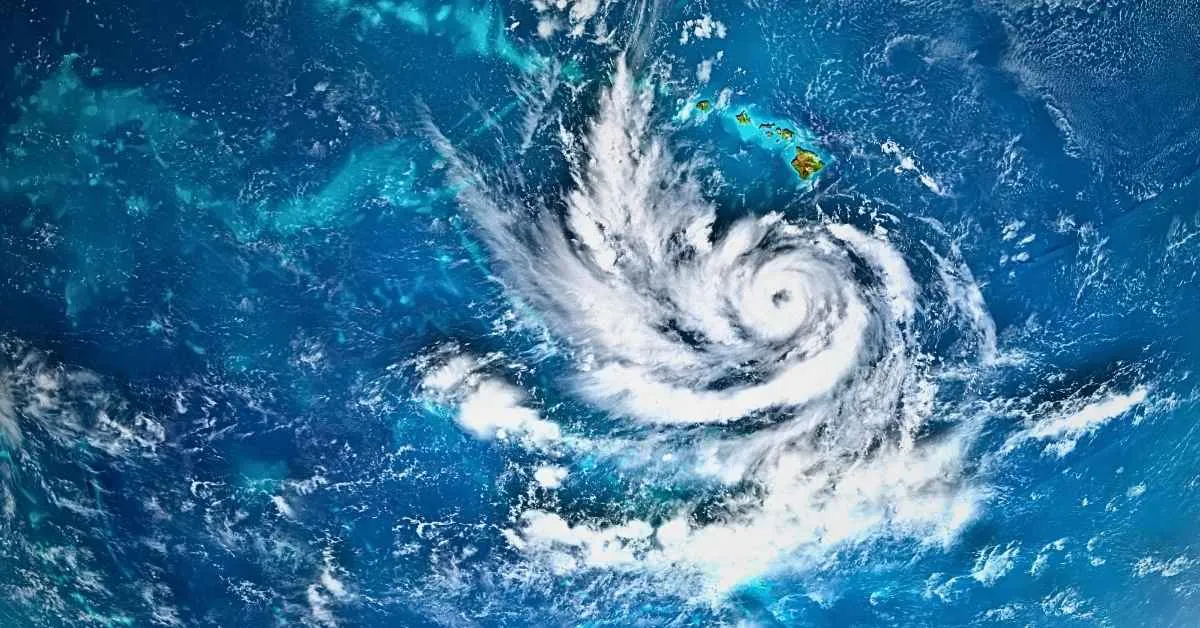
Hurricane Lala is one of the most serious storms to hit Hawaii for several years. The cyclone has reached Category 1 on the Saffir-Simpson scale and is travelling with winds around 75 mph close to the Big Island of Hawaii, which has led the relevant services to issue warnings and alerts. The meteorological authorities warn of the dangers of flooding, mudslides, winds, and dangerous sea conditions, which have already caused power outages for thousands of citizens.
The formidable aspect of Hurricane Lala is its historic nature due to the potential impact on the Big Island, a phenomenon which has not occurred for more than one hundred years according to meteorologists. Experts expect that the storm can bring around 25 inches of rain in some regions, increasing the risk of flash floods and transport disruptions. That is why residents are recommended to stay cautious and follow the emergency services’ alerts.
Why is Hurricane Lala being called a historic storm?
Serious attention is being paid to Hurricane Lala by weather experts because of its rare movement and unusual trajectory.
-
Unusual Target Zone: Hawaii's Big Island tends not to receive direct hits from hurricanes because of the meteorological wind shear in the area as well as the presence of the cold ocean waters around it. Thus, Lala is making a very rare direct threat to this area in 155 years (since 1871).
-
Huge Rainfall Possibilities: The National Weather Service (NWS) states that heavy rains in the local area could amount to 25 inches (63.5 cm) on hills.
-
Environmental Danger: The hurricane represents a double danger since it may cause deadly mudslides on the volcano slopes as well as promote wildfires in the drier leeward parts of other islands because of the long, strong dry winds coming from the slope.
How did Hurricane Lala form over the Pacific Ocean?
Hurricane Lala’s development illustrates the fluctuating climate in the central Pacific area.
-
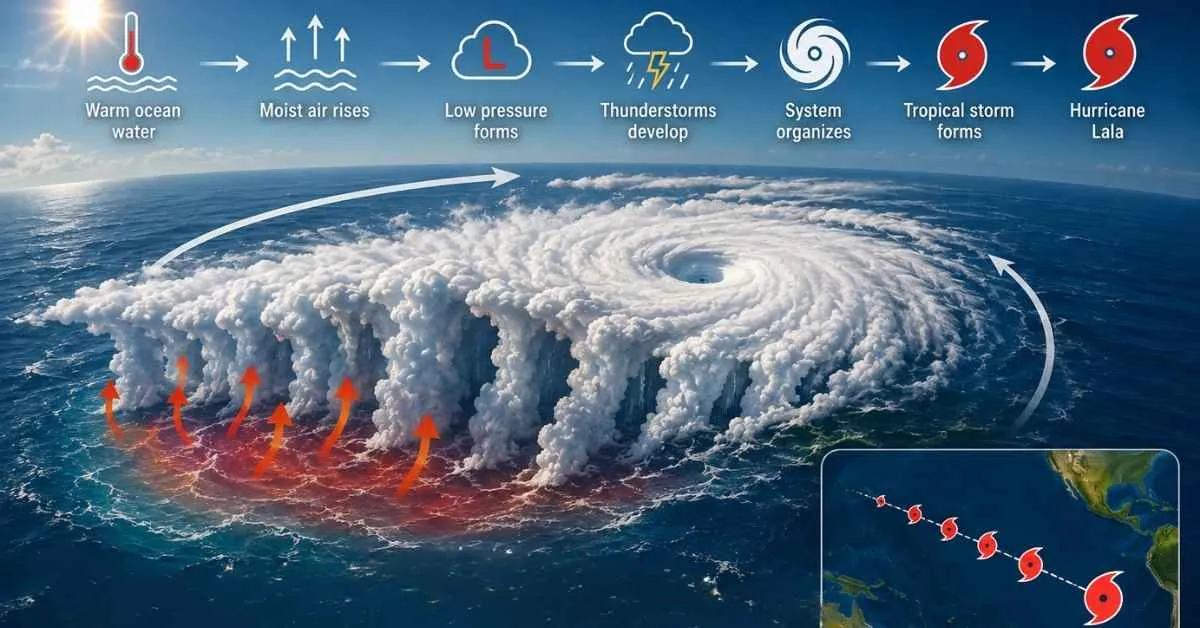
Storm Development: The system originated from organized clusters of low-pressure storms that formed east-southeast of the islands of Hawaii.
-
Sources of Fuel: As it moved west-northwest, it drew from abnormally high ocean heat content, with sea surface temperatures higher than 27°C (80°F), which gives enough heat and moisture.
-
Low Shear Zone: Upper-air winds created an area of low vertical wind shear where the central core of the storm was allowed to grow vertically, thus creating the named tropical cyclone.
Why did Hurricane Lala strengthen so quickly near Hawaii?
The rapid increase in Hurricane Lala's strength means it made a huge leap in wind speed in just a day. Three factors contributed to this sudden escalation. First, there were areas of warm water, which Hurricane Lala struck just before coming to the shores of its destination.
Second, since it was surrounded by moist air. It was possible for the cyclone to remain strong. Finally, when the cyclone’s winds hit the steep and high volcanic mountain ranges of Hawaii,
How Hurricane Lala is impacting Hawaii: Floods, Blackouts and Travel Disruptions
Disruptions have already been caused by the storm that hit the islands, as follows:
-
Widespread Power Outages: High winds have caused the power lines and trees to fall, resulting in tens of thousands of businesses and households losing their power.
-
Travel Stops: Public transport, including the local airports (Hilo and Kona), has been completely stopped, and large seaports have been shut down.
-
Risky Flooding and Mudslides: Numerous hours of heavy rainfall (up to two inches hourly) have turned city roads into rivers and also resulted in mudslides on mountain roads.

Manisha Waldia is a distinguished content strategist with 5 years of experience crafting premium educational content for UPSC and State PCS, with a focus on deep conceptual analysis across Polity, Geography, History, and Environment. She currently brings this expertise to Jagran Josh, where she covers major national and international events, current affairs, and static general knowledge. Over her career, Manisha's specialized insights have led her to curate high-impact materials and serve as a UPSC Mains answer-evaluator for India’s top institutes—including Drishti IAS, Shubhra Ranjan IAS, Study IQ, GS Score, and PWonlyIAS. She has also worked alongside leading NGOs like Oxfam India and Avani Kumaon.
Contact: manisha.waldia@jagrannewmedia.com