List Of Festivals Similar To Holi Celebrated In The World
Do you know about the festivals similar to Holi? Read this article to find out about the different festivals celebrated all over the world with the fun and flavour of Holi in different parts of the world.
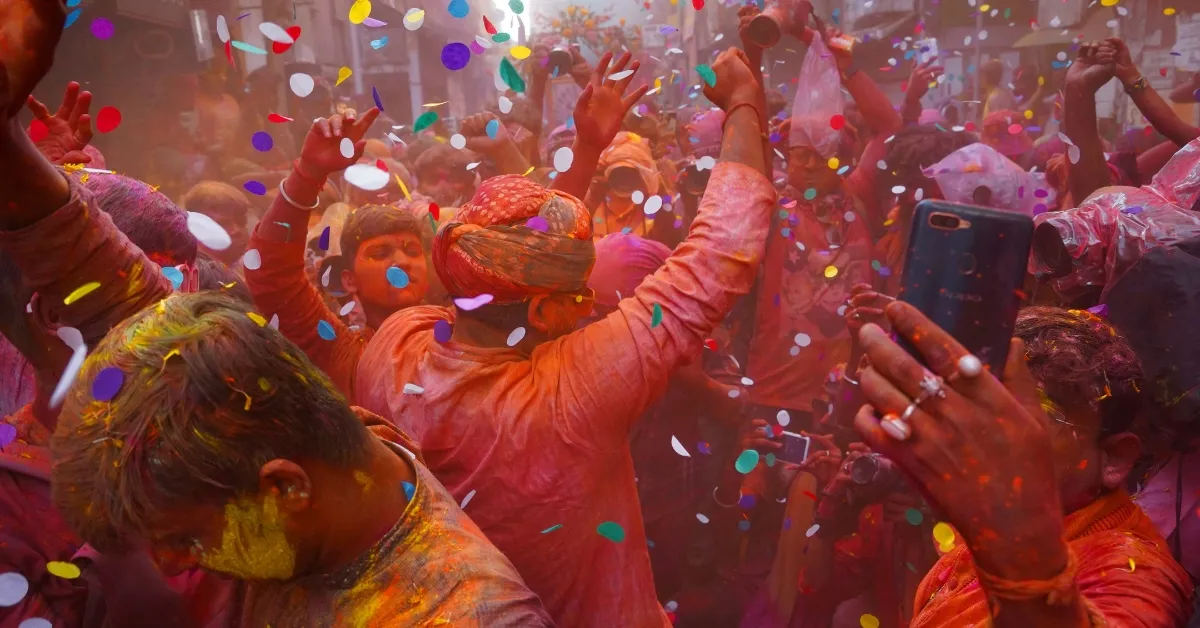
Holi, known as the festival of colour, is a joyful celebration enjoyed by people worldwide. It began in India but is now marked in many countries, symbolising the victory of good over evil and the start of spring.
Holi is not the only festival like this. Over time, many cultures have created their own festivals that focus on colour, love, and renewal, each with special customs and traditions.
In this article, we look at some interesting festivals from around the world that are similar to Holi. These celebrations show the many ways people come together to share unity and joy.
List of Festivals Similar to Holi Celebrated in the World
Holi is a beautiful festival of colours and joy. While it started in India, many other cultures have similar traditions. These festivals often use water, food, or flour to celebrate new beginnings and community spirit. Here is a list of the top 10 festivals around the world that are similar to Holi:
| Country | Festival | Why is it similar to Holi |
| Thailand | Songkran | People use water guns and buckets to soak each other in the streets to celebrate the New Year. |
| Spain | La Tomatina | Thousands of people gather to throw overripe tomatoes at each other in a massive, messy food fight. |
| South Korea | Boryeong Mud Festival | Participants play in mineral-rich mud, enjoy mud wrestling, and smear mud on each other for fun. |
| Italy | Battle of the Oranges | Locals divide into teams and throw fresh oranges at one another to celebrate freedom and history. |
| Greece | Flour War | On "Clean Monday", people wear old clothes and throw bags of coloured flour at each other in the streets. |
| Spain | Haro Wine Festival | Thousands of people dress in white and pour litres of red wine over each other until everyone turns purple. |
| Iran | Chaharshanbe Suri | People light bonfires to jump over and sometimes use coloured powders to welcome the spring season. |
| Australia | Chinchilla Melon Festival | This "Melon Capital" hosts events where people ski on watermelons and toss them at each other. |
| Myanmar | Thingyan | Like Songkran, this Buddhist festival involves massive water fights to wash away the sins of the old year. |
| Spain | Cascamorras | Residents cover themselves in black grease and paint to chase a figure through the town in a messy race. |
1. Songkran (Thailand)

Songkran marks the Thai New Year and is known as the world’s most famous water festival. Similar to Holi, people of all ages fill the streets with water guns and buckets, soaking both friends and strangers. The water stands for purification, washing away last year’s bad luck and making room for a fresh start. The whole celebration is filled with laughter and music, and everyone ends up soaked.
2. La Tomatina (Spain)
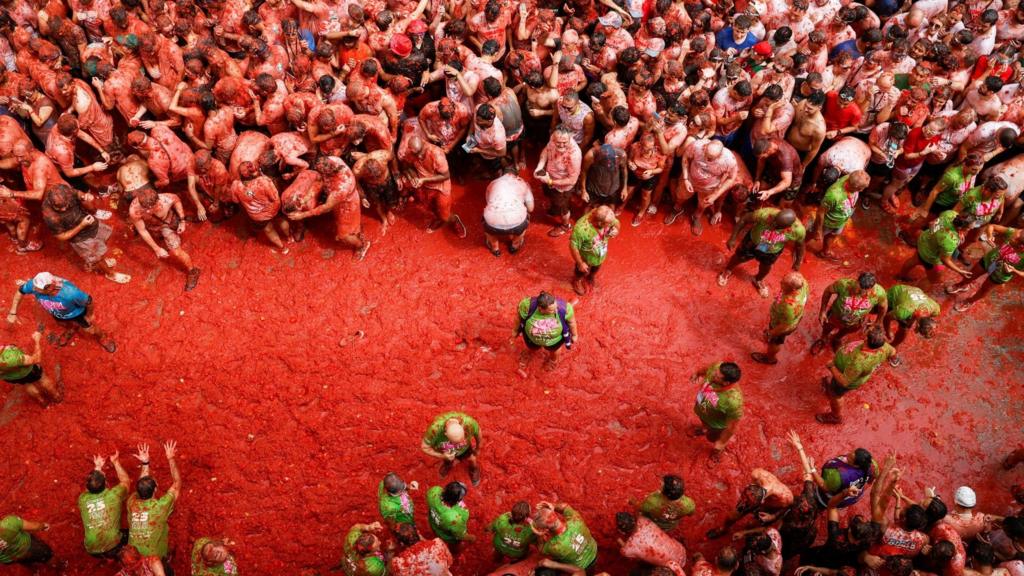
La Tomatina is known as the "World's Biggest Food Fight". Every August, the town of Buñol hosts this unique event. Instead of throwing coloured powder, people toss 100 metric tonnes of overripe tomatoes. For an hour, the streets are covered in red. The festival is messy, chaotic, and a lot of fun. Like Holi, it attracts thousands of tourists who come to play and enjoy themselves without any worries.
3. Boryeong Mud Festival (South Korea)

This festival is all about having fun and getting messy. Every July, people gather at Daecheon Beach to jump into big mud pools, wrestle, and slide around. Many even cover themselves in colourful mud. Although it began as a way to promote mud-based skincare, it has become a huge celebration. Like Holi, the festival invites everyone to forget their worries and enjoy themselves like kids.
Global Festival Dates for 2026
If you plan to visit these festivals in 2026, timing is everything. Most follow specific seasonal or lunar calendars, making each date unique for the year.
| Month | Festival | Date(s) | Key Activity |
| February | Battle of the Oranges | Feb 15 – 17 | Throwing citrus fruit |
| February | Chinchilla Melon Festival | Mid-February | Watermelon skiing |
| February | Flour War (Greece) | Feb 23 | Throwing colored flour |
| March | Chaharshanbe Suri | March 17 | Jumping over bonfires |
| April | Songkran (Thailand) | April 13 – 15 | City-wide water fights |
| April | Thingyan (Myanmar) | April 13 – 16 | New Year water soaking |
| June | Haro Wine Festival | June 29 | Pouring red wine |
| July/Aug | Boryeong Mud Festival | July 24 – Aug 9 | Playing in mineral mud |
| August | La Tomatina | August 26 | Giant tomato food fight |
| September | Cascamorras | Sept 6 – 9 | Black grease paint chase |
Note: Many of these festivals are based on lunar or religious calendars, so it is always a good idea for travellers to double-check local tourism boards closer to the date.
Conclusion
As we wrap up our look at festivals like Holi around the world, it’s clear that joy, unity, and renewal are feelings shared across cultures.
From Holi in India to Carnival in Brazil and Songkran in Thailand, these celebrations remind us that people everywhere want to enjoy life and welcome spring.
Even though each festival has its own customs, the messages of love, hope, and renewal are the same. By celebrating these traditions, we can also see what connects us to a global community.
Kriti Barua is a skilled digital journalist and communications professional with 4+ years of experience, currently writing for the General Knowledge section at Jagran New Media. She has established herself as a subject matter expert in History, Geography, Trending National and International News, Sports, Science, and Defence, producing clear, reliable, and search-optimised content that connects with readers worldwide.
Kriti holds a BA degree from Delhi University and a one-year diploma in TV Production and Journalism, an academic background that adds research depth and strong storytelling instincts to her writing. Her experience spans brand writing, content marketing, and digital media, giving her a sharp understanding of what makes content both helpful to readers and visible in search.
At Jagran New Media, she applies this expertise to national and international news coverage, query-based articles, and in-depth pieces across her specialist subject areas. Her content is defined by easy language, factual accuracy, strong keyword strategy, and reader-friendly storytelling.


-1789385274550_t.webp)