List of 5 Indian Forts That Were Never Conquered
Discover the 5 Indian forts that were never conquered, including Chittorgarh, Kumbhalgarh, Mehrangarh, Janjira, and Gwalior. Their success is attributed to natural barriers, ingenious architecture, and strategic planning, showcasing the strength and will to defend India throughout history.
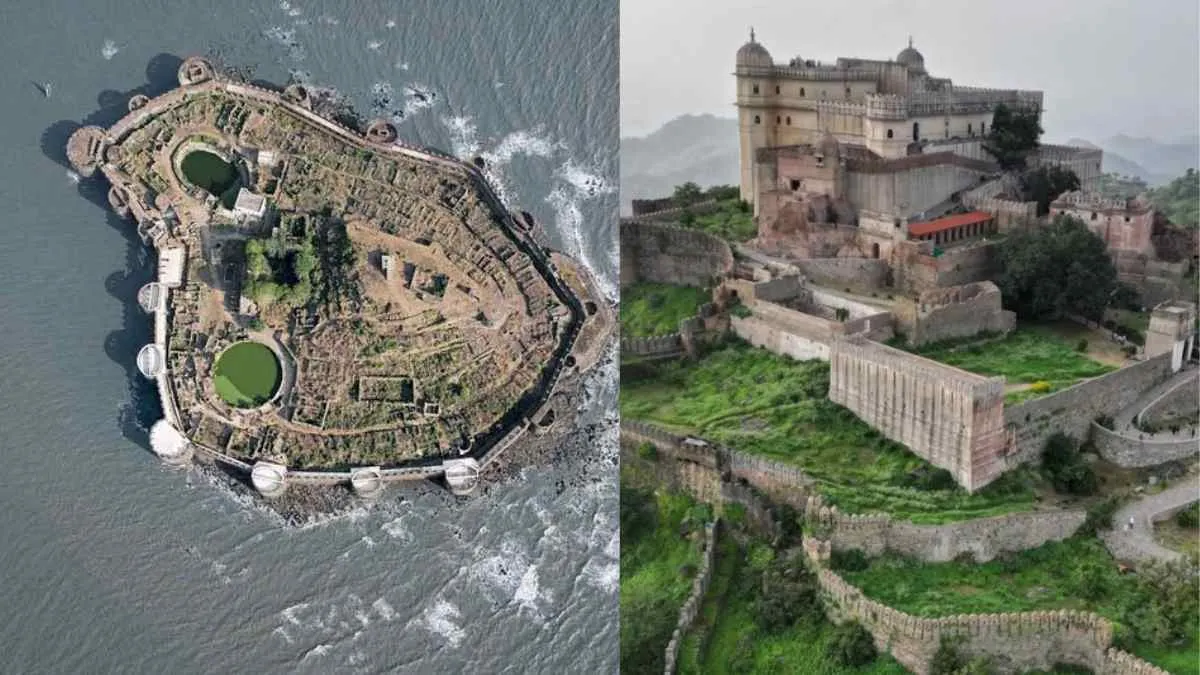
Forts in India have a long and complex history that is directly linked to India's long and complex history. The forts were originally created for defense and as places of administrative control. As the Indian continent is covered with mountains, deserts, islands, and flat lands, these structures were built to withstand the long-lasting sieges and on-going invasions that were being experienced at that time. During conflicting times, many of the forts have changed hands through fierce battles, while a few of the forts have shown an impressive amount of perseverance similar to the courageous stance of the fort's defenders.
Natural barriers (i.e. mountains/water/body of water, etc.), ingenious architectural design, and strategic planning can be seen as the reasons why these forts have been able to withstand repeated attempts to conquer them. This article will focus on exceptional Indian forts that have maintained a place of importance in history by successfully resisting powerful ant-agressors.
Check Out: List of Top 10 Oldest Forts in India
Top 5 Indian Forts That Were Never Conquered
Here are the top 5 Indian Forts that were never conquered along with the state they belong to and the reasons for being unconquered:
| Rank | Fort Name | State | Reason for Being Unconquered |
|---|---|---|---|
| 1 | Janjira Fort | Maharashtra | Island defence |
| 2 | Kumbhalgarh Fort | Rajasthan | Massive walls |
| 3 | Mehrangarh Fort | Rajasthan | Steep cliffs |
| 4 | Kalinjar Fort | Madhya Pradesh | Vindhya terrain |
| 5 | Gwalior Fort | Madhya Pradesh | Elevated plateau |
1. Janjira Fort

Janjira Fort is situated on an island in the Indian state of Maharashtra off the Konkan Coast and has a unique feature in that it had a marine-based defence system. The fort has not been captured after numerous attempts by the Marathas, the Portuguese, and the British. The fort's location on the sea enabled the establishment of a strong naval defence system that protected Janjira from conquest.
2. Kumbhalgarh Fort
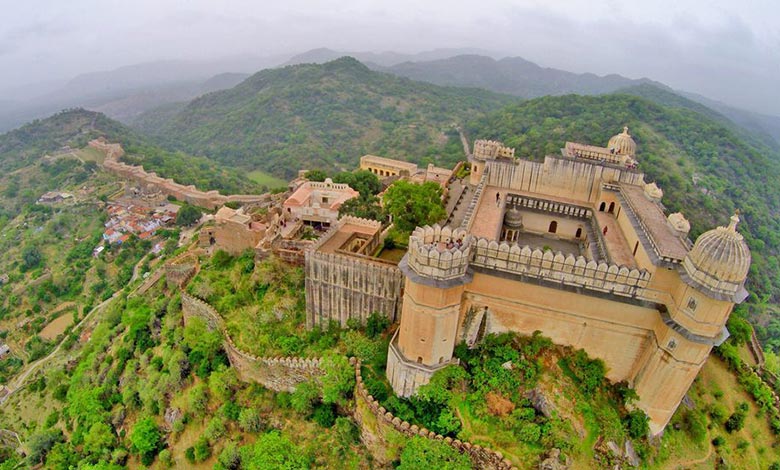
In addition to being noted for possessing the second longest contiguous wall in the world (after the Great Wall), Kumbhalgarh Fort was considered (for many years) to be nearly impregnable. Constructed by Rana Kumbha, Kumbhalgarh Fort withstood many attempts to conquer it over the centuries; it was only captured temporarily (due to deception) and, therefore, remains one of the safest forts in India.
3. Mehrangarh Fort

Mehrangarh Fort is a prominent feature of Jodhpur. Its steep cliffs and tall stone walls made it nearly impossible to scale. Despite many attempts by Mughal forces and other competing dynasties, Mehrangarh Fort was never stormed. Mehrangarh Fort has always been under control of the Rathore Dynasty, which harbored much pride and faith in the military strength of the Rajputs.
4. Kalinjar Fort

Kalinjar Fort is India’s oldest and strategically positioned fort. It is located on the Vindhya Range in Madhya Pradesh and has a rich history of defending against numerous invaders due to steep hillsides, thick forests, and adequate water supply. Even today, Kalinjar Fort is a great example of an ancient fortified city.
5. Gwalior Fort

Gwalior Fort is often referred to as "the Gibraltar of India" because of its high plateau and extensive fortifications which made it very difficult to capture. Control of this fort has changed hands over many centuries, with many instances of its control being obtained through surrender or political negotiations, rather than through direct military means. As such, it earned a position on this list.
Conclusion
The Chittorgarh, Kumbhalgarh, Mehrangarh, Janjira and Gwalior castles are constant reminders of the strength of India's armed forces and the will to defend India. Each fort demonstrates that there are ways of defending an entrenched position that can be as effective as large military forces through use of creativity and the right strategic location.

Ayukta Zisha is an education journalist with over three years of experience in digital media. A graduate of St. Xavier’s College, she holds a Master’s degree in English along with a certification in Digital Marketing from IIT Delhi. Backed by a strong academic foundation in the humanities, she specializes in creating educational and general knowledge content across history, geography, literature, and current affairs. During her tenure at Jagran Josh, she worked extensively on U.S. news and global developments, curating informative and engaging content for a diverse readership. Her subject expertise and ability to simplify complex topics enable her to make complex information accessible to a wide audience. Beyond journalism, Ayukta is an avid reader and a published author.


.jpg)



![[OUT] UPSSSC PET Admit Card 2026 LIVE: यूपी पीईटी एडमिट कार्ड जारी, upsssc.gov.in पर Direct Link](https://img.jagranjosh.com/images/2026/October/15102026/UPSSSC-PET-Admit-Card-2026.jpg)