What is a Female Cat Called?
A female cat is officially known as a 'queen'. While many people simply call her a "girl cat" or use the affectionate term "kitty", breeders and veterinarians use "queen", especially when she is unspayed and reproducing. The female cat exhibits unique biological traits, such as the ability to produce litters sired by multiple fathers.
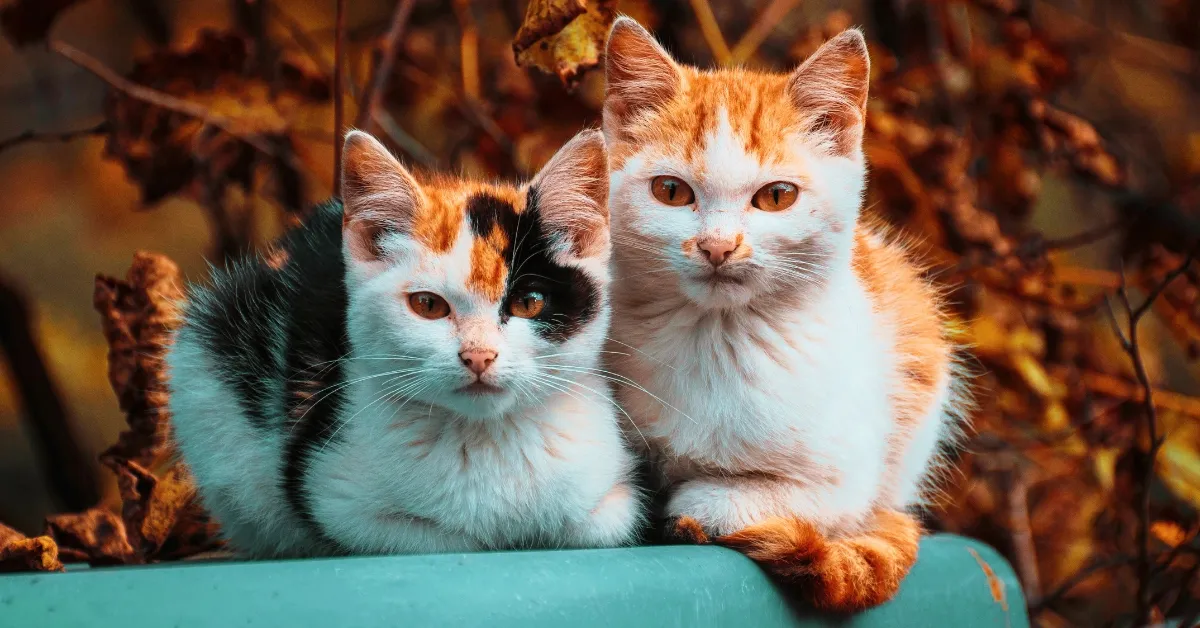
The animal kingdom is full of amazing creatures. From tiny insects to massive elephants, every species is unique. Many animals have special names for the males, females, and their young. These nicknames are interesting. For example, a male duck is often called a drake. A female sheep is known as a ewe. And their young are often called lambs or ducklings. Do you know what a baby kangaroo is called? It's a joey. Now, what about our common house pets? We all love our feline friends. But do you know what a female cat is called? It's a simple question, but the answer often surprises people. In this article, we'll take a look at the fascinating names used for female, male, and young cats. We will also explore the fun vocabulary of the cat world.
What Is The Female Name For A Cat?

The proper term for an adult female cat is a queen. This name is primarily used in the context of cat breeding and showing. It refers specifically to an unspayed female cat capable of or currently reproducing. Once a female cat has given birth, she is technically called a 'queen'. However, in everyday conversation, most people simply call her a cat or a female cat.
What Is Another Name For A Female Cat?
A female cat is called a 'queen' if she is unspayed and of breeding age. A spayed female cat is called a molly. Another term for a female cat, particularly one used for breeding, is dam.
| Term | Description |
| Queen | A female cat who has not been spayed. The term is often used specifically when she is in oestrus or has had kittens. |
| Molly | A female cat who has been spayed or has never been pregnant. |
| Dam | Another term for a female cat, especially in the context of breeding. |
10+ Lesser-known Facts About Female Cats (Queen)

These facts get into the genetics, behaviour, and amazing biology of the female cat, known formally as a Queen.
- The stunning patchwork coats of Calico and Tortoiseshell cats are almost exclusively found on females due to the genetics of the X chromosome.
- A Queen can mate with several different males while she is in heat, resulting in a single litter of kittens with different biological fathers. This is called superfecundation.
- Unlike humans, female cats do not ovulate (release eggs) spontaneously. They are "induced ovulators", meaning that mating triggers egg release.
- Studies suggest that female cats tend to prefer using their right paw for tasks, whereas males are often left-pawed.
- A female kitten can reach sexual maturity and become pregnant as early as four months old, highlighting the need for early spaying.
- The oldest recorded cat in history, named Creme Puff, was a female who lived to the extraordinary age of 38 years and 3 days.
- Only about 20% of all ginger or orange tabby cats are female. This is because the gene for orange fur is sex-linked and requires two X chromosomes to be expressed in a female, making orange females rare.
- In feral environments, female cats often live in organised colonies and will cooperatively nurse, groom, and raise each other's kittens. Males are usually solitary.
- A spayed female cat is sometimes called a "molly".
- "Queening" is the term for birth, the process by which a female cat gives birth to her kittens.
- On average, female cats live a year or two longer than male cats, possibly because they engage in fewer risky behaviours, such as fighting and roaming.
- A Queen's reproductive cycle is greatly affected by daylight. It usually runs from early spring to late autumn, as they require at least 10-12 hours of light per day.

Kriti Barua is a skilled digital journalist and communications professional with 4+ years of experience, currently writing for the General Knowledge section at Jagran New Media. She has established herself as a subject matter expert in History, Geography, Trending National and International News, Sports, Science, and Defence, producing clear, reliable, and search-optimised content that connects with readers worldwide.
Kriti holds a BA degree from Delhi University and a one-year diploma in TV Production and Journalism, an academic background that adds research depth and strong storytelling instincts to her writing. Her experience spans brand writing, content marketing, and digital media, giving her a sharp understanding of what makes content both helpful to readers and visible in search.
At Jagran New Media, she applies this expertise to national and international news coverage, query-based articles, and in-depth pieces across her specialist subject areas. Her content is defined by easy language, factual accuracy, strong keyword strategy, and reader-friendly storytelling.




-1789560209836_t.webp)