AICTE Introduces Four New Schemes for Technical Institutions in 2026-27, Check Details
AICTE has launched four schemes for 2026-27, including IDEA Lab, MODROBS, GOC and Margdarshan, to support infrastructure, research and innovation. Read the article for further details.
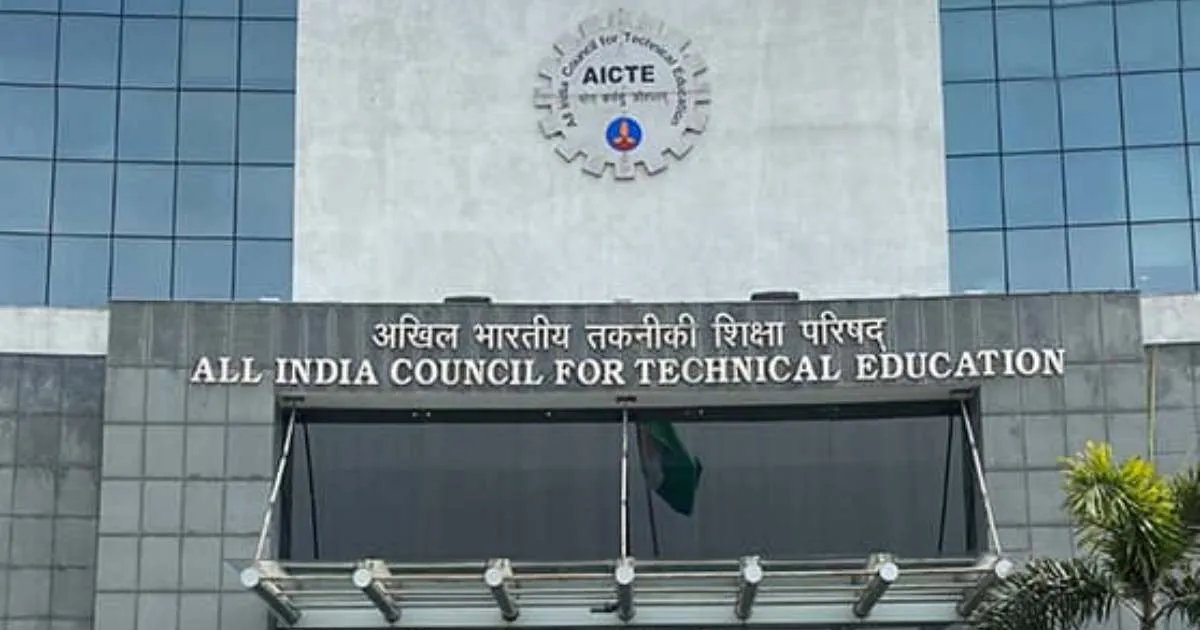
The All India Council for Technical Education (AICTE) has introduced four institutional development schemes for the academic year 2026-27 to improve technical education infrastructure, promote innovation and strengthen research activities across India. The initiatives include IDEA Lab, Grant for Organising Conference (GOC), Modernisation and Removal of Obsolescence (MODROBS), and Margdarshan.
AICTE Chairman Prof. Yogesh Singh launched the schemes on October 30, 2026, in the presence of Member Secretary Prof. Shyama Rath. The programmes will provide financial assistance and institutional support to eligible technical education institutions for upgrading facilities, encouraging practical learning and improving academic capabilities.
AICTE 2026-27 Schemes: Check All Four Initiatives
The four schemes address different requirements of technical institutions, ranging from laboratory modernisation and student innovation to research collaboration and academic mentoring.
| Scheme | Main objective |
| IDEA Lab | Promote hands-on learning, innovation and prototyping |
| Grant for Organising Conference (GOC) | Support national and international academic conferences |
| MODROBS | Modernise laboratories, workshops and computing facilities |
| Margdarshan | Strengthen institutions through academic mentoring |
IDEA Lab to Promote Practical Learning and Innovation
The AICTE IDEA Lab scheme aims to encourage students to move beyond theoretical classroom learning and develop practical skills through experimentation. It follows the concept of 'learning by doing', allowing students to apply Science, Technology, Engineering and Mathematics (STEM) concepts to real-world challenges.Through this initiative, students will get opportunities to experiment with new ideas, develop prototypes and explore innovative solutions to technical problems.The scheme also aims to encourage interactive teaching methods and create an environment where students can participate in practical projects and innovation-driven activities.
Grant for Organising Conference to Support Research Collaboration
The Grant for Organising Conference (GOC) scheme will provide assistance to eligible institutions for organising national and international academic conferences.The initiative aims to create opportunities for researchers, faculty members, academicians and subject experts to exchange knowledge and discuss developments in their respective fields.
These conferences can also help researchers present their findings, establish academic connections and discuss emerging areas of research. The programme will encourage discussions around subjects relevant to national development and the changing requirements of technical education.
MODROBS Scheme to Upgrade Technical Infrastructure
The Modernisation and Removal of Obsolescence (MODROBS) scheme focuses on improving the infrastructure available at technical education institutions.
Under this initiative, eligible institutions can seek financial assistance to upgrade outdated laboratories, workshops and computing facilities. The objective is to ensure that students and faculty members have access to facilities that support practical training, teaching and research.
Modern laboratory infrastructure is particularly important as technical education increasingly incorporates emerging fields and industry-oriented skills. The scheme aims to help institutions improve their existing facilities and strengthen the quality of practical education.
Margdarshan Scheme to Strengthen Institutional Performance
The Margdarshan scheme will focus on improving the academic and institutional capabilities of technical education institutions through mentoring and guidance.Under the initiative, established institutions and experienced academic organisations will help other institutions improve their teaching practices, share resources and strengthen their academic systems.
The scheme also aims to support improvements in institutional performance, including outcomes associated with the National Institutional Ranking Framework (NIRF).Through academic collaboration and mentorship, the initiative seeks to help institutions identify areas requiring improvement and adopt better academic practices.
AICTE Focuses on Research, Innovation and Emerging Technologies
The four initiatives reflect AICTE's focus on improving the overall quality of technical education through infrastructure development, research and institutional collaboration.
During the launch, AICTE Chairman Prof. Yogesh Singh highlighted the importance of developing research-oriented and innovation-driven academic environments. He also emphasised the role of emerging technologies, including Artificial Intelligence (AI), in teaching and learning.AICTE Member Secretary Prof. Shyama Rath encouraged technical institutions to participate in the schemes and utilise the available support to strengthen their institutional capabilities and improve student learning outcomes.
The initiatives are also intended to encourage wider participation from institutions across different districts, helping extend institutional development opportunities beyond major educational centres.Eligible institutions should refer to the respective AICTE scheme guidelines for details regarding eligibility conditions, financial assistance and application procedures.
Also Read:

Faham is an education specialist and has over three years of experience in the education and edtech industry, specializing in digital and educational content creation. He holds an MBA in Marketing and Human Resources from Swami Vivekanand University. Throughout his career, Faham has developed expertise in creating engaging and informative content across diverse educational domains.
In addition to his edtech experience, he worked for two years as a Public Speaking and Creative Writing Expert, helping learners enhance their communication and writing skills. He has also been associated with Testbook and Adda Education as a Content Writer, where he created high-quality content for K–12 education, Management Entrance Examinations, UPSC, Law, and State Defence examinations. His strong understanding of educational content and exam preparation enables him to simplify complex topics and deliver valuable learning resources to students.


