List of Nobel Prize Winners from India (1901 - 2026): Names, Fields, and Their Impact
List of Nobel Laureates from India: India has produced nine Nobel Prize winners from 1913 to 2026, starting with Rabindranath Tagore in Literature. Other laureates include C.V. Raman, Har Gobind Khurana, Mother Teresa, Subrahmanyan Chandrasekhar, Amartya Sen, Venkatraman Ramakrishnan, Kailash Satyarthi, and Abhijit Banerjee, each recognised for significant contributions across various fields.
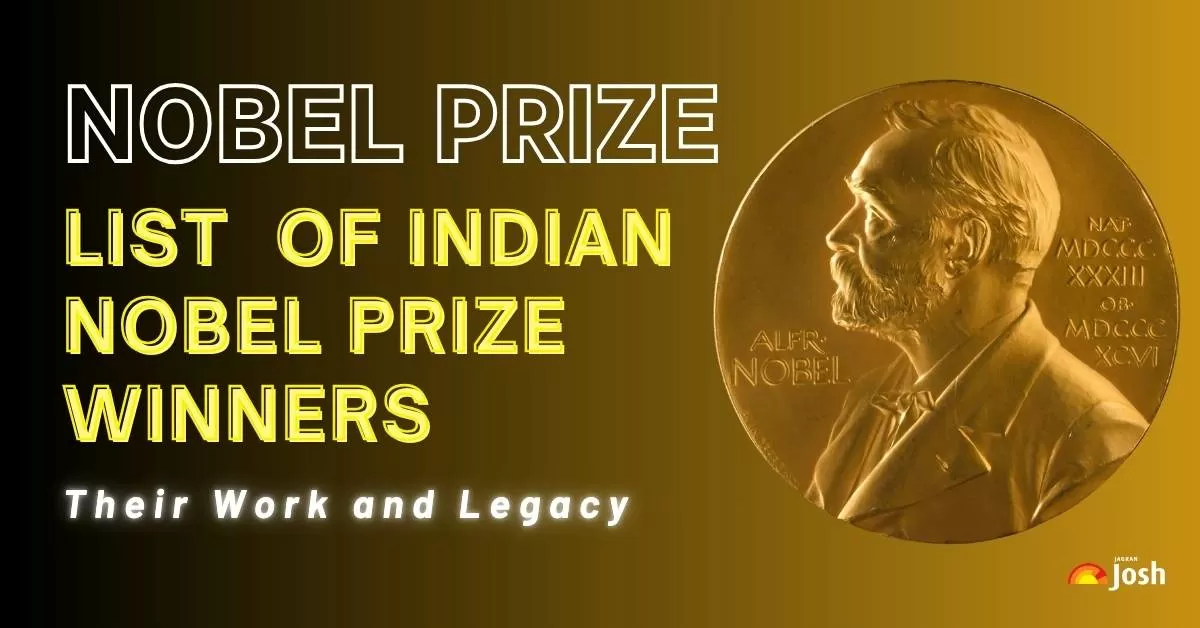
The Nobel Prize is one of the highest honours a person can receive for their contribution to humanity in various fields like Physics, Chemistry, Literature, Peace, and Medicine.
Established by the will of Alfred Nobel, the Swedish inventor, the Nobel Prize recognises groundbreaking achievements that have made a significant impact on society and the world at large.
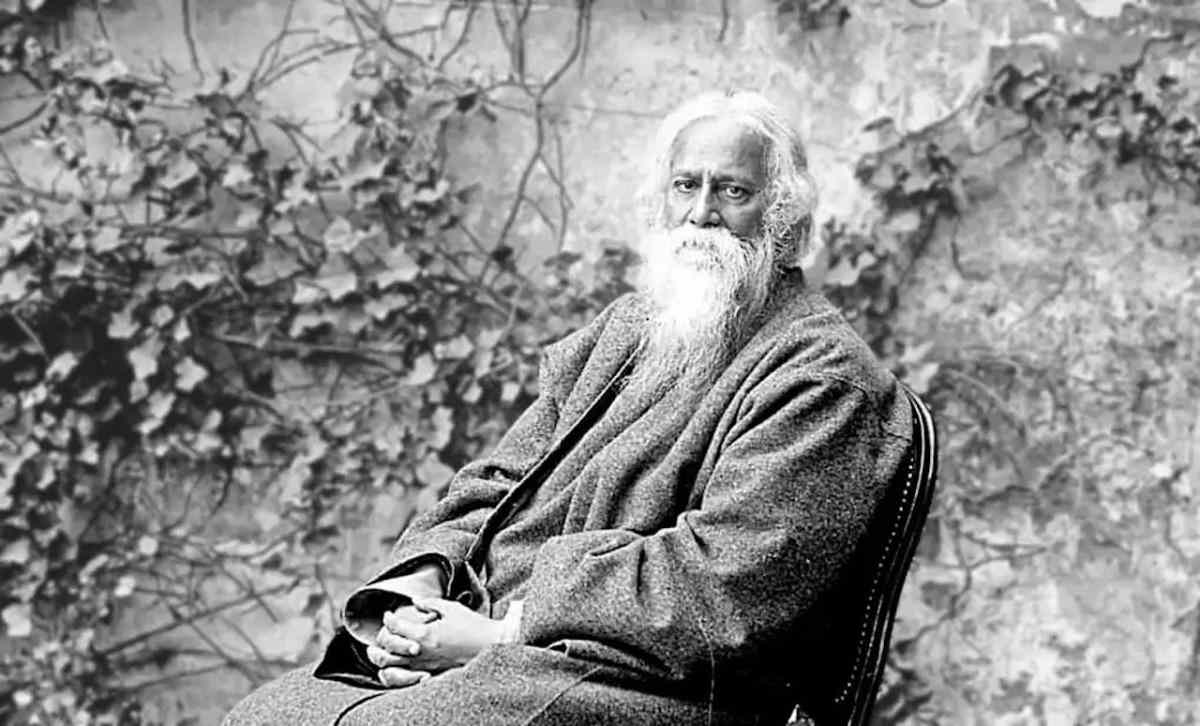
The first Indian to receive the Nobel Prize was Rabindranath Tagore in 1913, who won the Nobel Prize in Literature for his profound literary work, Gitanjali. Since then, India has produced several remarkable Nobel Laureates.
In this article, we’ll explore the list of Nobel Prize winners from India, their respective fields, and the lasting impact of their contributions.
From scientists and peace activists to writers and doctors, these Indian winners have changed the world with their groundbreaking work. Let’s take a closer look at their achievements and the legacy they’ve created.
Full List of Indian Nobel Prize Winners
Here's the complete list of the Indian Nobel Prize winners who have made significant contributions in various fields such as literature, peace, and economics. The list includes:
| Year | Name | Field | Reason |
| 1913 | Rabindranath Tagore | Literature | Gitanjali (A collection of Poems written in Sadhu/Pure/Classical Bengali) |
| 1930 | Sir Chandrasekhara Venkata Raman | Physics | Discovery of Raman Effect/Scattering in 1928 |
| 1979 | Mother Teresa | Peace | Humanitarianism (Missionaries of Charity, serving the Poorest of the Poor in India) |
| 1998 | Amartya Sen | Economics | Contribution to Welfare Economics |
| 2014 | Kailash Satyarthi | Peace | Humanitarianism (Struggle for children’s rights and education) |
| 1968 | Har Gobind Khorana | Physiology or Medicine | Interpretation of the genetic code and its function in protein synthesis |
| 1983 | Subrahmanyan Chandrasekhar | Physics | Theoretical studies of the physical processes important to the structure and evolution of stars |
| 2009 | Venkatraman Ramakrishnan | Chemistry | Studies of the structure and function of the ribosome |
| 2019 | Abhijit Banerjee | Economics | Experimental approach to alleviating Global Poverty |
| 1902 | Ronald Ross | Physiology or Medicine | Work on malaria, laying the foundation for research on this disease and methods of combating it |
| 1907 | Rudyard Kipling | Literature | Originality, observation, and talent in his works |
| 1989 | 14th Dalai Lama | Peace | Consistent resistance to violence in the struggle for liberty |
| 2001 | V. S. Naipaul | Literature | Unified narrative and scrutiny in works revealing suppressed histories |
Source: Embassy of India
As of 2026, the Nobel Prize has been awarded to a total of 1,018 individuals and organisations since its inception in 1901.
This includes 990 individuals and 28 organizations. The breakdown of individual laureates shows that 930 are men and 59 are women, reflecting a slight increase in female recipients over the years.
Among these recipients, 12 are linked to India, with 5 being Indian citizens and 7 of Indian ancestry or residency.
Who is the First Nobel Prize Winner from India?
Source: Owlcation
Rabindranath Tagore was the first Indian citizen to receive the Nobel Prize and also the first Asian laureate, honoured in 1913. Mother Teresa stands out as the only woman on this list of Nobel winners.
Notably, Sri Aurobindo, the renowned Indian poet, philosopher, nationalist, and creator of Integral Yoga, was nominated for the Nobel Prize in Literature in 1943 and for the Nobel Peace Prize in 1950 but was unsuccessful in both attempts.
Additionally, Mahatma Gandhi was nominated for the Nobel Peace Prize five times (from 1937 to 1939, in 1947, and just days before his assassination in 1948), though he never won. In 2006, Geir Lundestad, the Secretary of the Norwegian Nobel Committee, referred to Gandhi’s omission as "the greatest in our 106-year history."

Harshita Singh is an education and general knowledge journalist with over 5 years of experience in educational writing. Specializing in US affairs and GK, Harshita has a track record of breaking down intricate geopolitical and historical subjects into clear, digestible insights for learners. Her strong background in text analysis, coupled with a Bachelor of Arts (Hons) in English from the University of Delhi, helps her produce authoritative, thoroughly researched content that empowers readers to engage confidently with global current affairs. For inquiries or academic insights, you can reach out to her directly at harshita.singh@jagrannewmedia.com.