Which Country Is Known as the Land of the Thunder Dragon?
Bhutan is known as the Land of the Thunder Dragon due to its Himalayan thunderstorms, dragon symbolism, Buddhist traditions and national identity linked to Druk Yul.
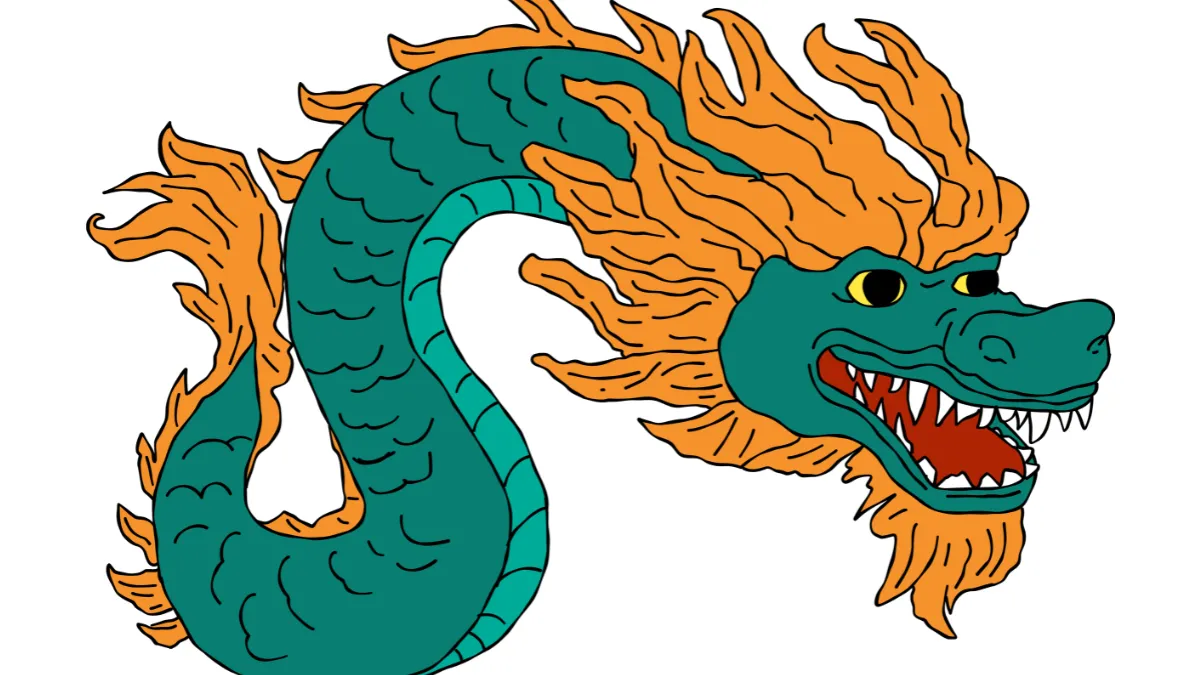
Land of the Thunder Dragon: The country known as the Land of the Thunder Dragon is Bhutan. The name comes from the local term Druk Yul, which means “Land of the Thunder Dragon,” reflecting Bhutan’s deep cultural connection with the mythical dragon symbol and the powerful thunderstorms common in the Himalayas. The name also highlights Bhutan’s national identity, its traditions and its strong Buddhist roots.
Why Bhutan Is Called the Land of the Thunder Dragon?
Bhutan is called this because the thunder echoing across its mountain valleys was believed to be the roar of a dragon. Over time the dragon became a national symbol representing authority, belief and cultural identity. The name reflects Bhutan’s traditional belief system and its long-standing connection with Himalayan nature.
Meaning of the Land of the Thunder Dragon
The title refers to the dragon symbol used in Bhutanese mythology and national history. The dragon represents strength, protection and national pride. The frequent thunderstorms in the Himalayas enhanced this association, making the dragon a central cultural emblem.
Bhutan’s National Identity Linked to the Dragon
Bhutan’s national flag features a white dragon, symbolising purity, power and protection. The dragon holds jewels that signify prosperity. The use of the dragon in national symbols shows how deeply embedded it is in Bhutanese culture.
Cultural Importance of the Dragon in Bhutan
In Bhutanese tradition the dragon appears in myths, art, stories and religious practices. The Drukpa lineage of Buddhism also uses the dragon as its main symbol. Temples, festivals and rituals often highlight the dragon as a sign of spiritual strength.
Interesting Facts About the Land of the Thunder Dragon
1. Bhutan’s National Flag Shows a Dragon
The white dragon is placed across yellow and orange colours representing monarchy and spiritual traditions. The jewels in the dragon’s claws symbolise wealth and protection. This flag design directly reflects the meaning of Druk Yul.
2. Bhutan’s Official Language Is Called Dzongkha
The script used in Dzongkha has Tibetan roots and carries the heritage of the Drukpa Buddhist lineage. Language and dragon symbolism developed together. This strengthened cultural links between religion and national identity.
3. Bhutan Measures Progress Using Gross National Happiness
Instead of GDP alone Bhutan focuses on well-being, culture and nature conservation. This unique model gained global recognition. It reflects Bhutan’s identity as a peaceful Himalayan nation.
4. Bhutan Has One of the World’s Highest Himalayan Settlements
Many communities live at high altitudes surrounded by mountains and valleys. These areas frequently experience thunderstorms that shaped Bhutan’s dragon symbolism. The geography preserved its traditional culture for centuries.
5. Buddhism Strongly Influences Bhutan’s Dragon Culture
Monasteries and temples contain dragon carvings, murals and sculptures. Monks performing rituals often reference dragon protection. These traditions preserve the meaning of Druk Yul across generations.
Read more: Which Country Is Known as the Land of Poets?
Bhutan is known as the Land of the Thunder Dragon because of its deep cultural ties to the mythical dragon, its Himalayan thunderstorms and its Buddhist traditions. Keep reading for more topics like this.

Jasreet Kaur is a journalist with over 3 years of experience in digital media and news content creation. She specializes in covering Trending News, including major National and International developments, with a focus on delivering accurate, engaging, and reader-friendly stories. Prior to this, she worked with Zee News as a Content Writer, where she gained extensive experience in news reporting and content strategy. Driven by curiosity, credibility, and a passion for impactful journalism, Jasreet aims to contribute to informed public discourse while supporting positive growth in organizations, society, and the world.


-1789471290265_t.webp)