Which River Is Called the Mother River of India?
The Ganga River is known as the Mother River of India because it is culturally sacred, economically important and supports millions of people, agriculture and the fertile Indo-Gangetic Plains. Keep reading more about the mother river of India.
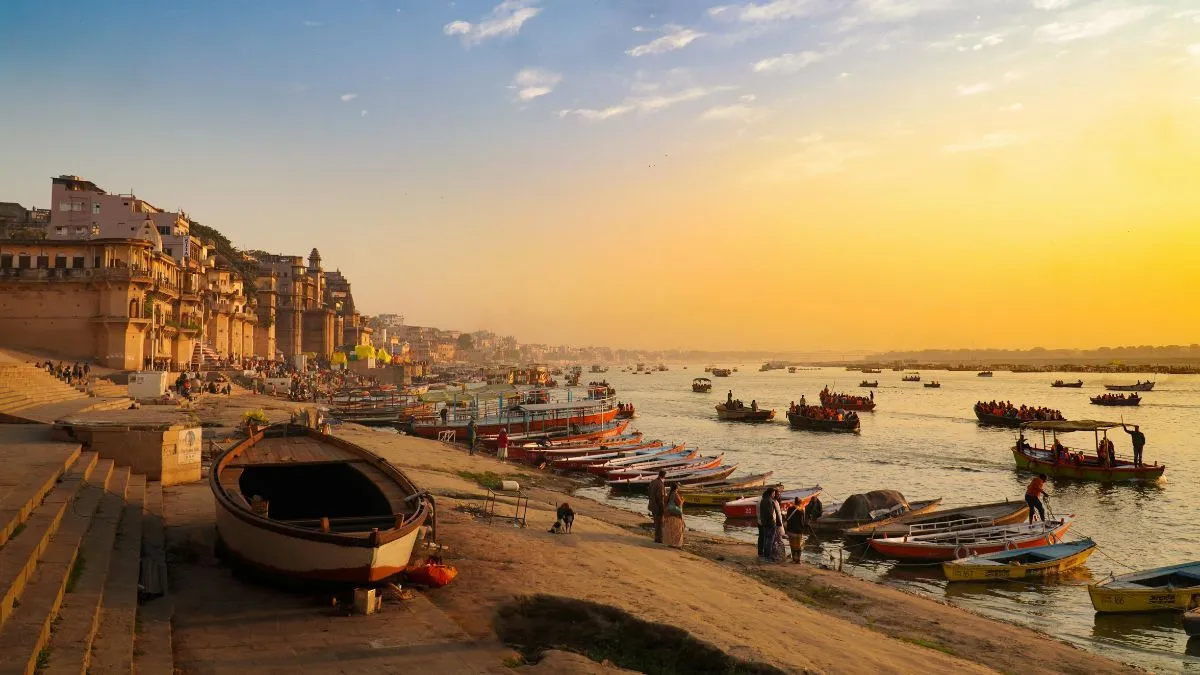
Mother River of India: The Ganga River (Ganges) is known as the Mother River of India because it is one of the most sacred, culturally significant, and historically important rivers in the country. It sustains millions of people, supports agriculture, provides freshwater resources, and holds deep religious, spiritual and civilisational importance in Indian history and culture.
Why Is the Ganga Called the Mother River of India?
The Ganga is called the Mother River of India because it nurtures vast river-valley settlements, supports livelihoods across multiple states, and has been central to Indian civilisation for thousands of years. It is regarded as a life-giving river, symbolising purity, prosperity and continuity of cultural heritage in India.
Longest River System in India
The Ganga River forms one of the longest and most extensive river systems in India. It flows through major North Indian plains, connects multiple tributaries, and supports large agricultural belts, irrigation networks and fertile alluvial regions that sustain food production and rural economies.

Major Source of Agriculture and Irrigation
The Ganga River basin is one of India’s most productive agricultural regions and supports large-scale cultivation of wheat, rice, sugarcane, and pulses. The fertile Indo-Gangetic Plains depend heavily on Ganga-fed irrigation networks, making the river a crucial foundation of India’s farming economy.
Deep Cultural and Religious Significance
The Ganga River holds immense religious and cultural importance in India. It is considered sacred in Hindu traditions, associated with pilgrimage cities, spiritual rituals, cultural festivals, and historical temple towns that developed along its banks over centuries.
One of the Largest River Basins in India
The Ganga River forms one of the largest and most extensive river basins in India, covering multiple North and East Indian states and supporting a very high population density. The river basin spans fertile plains, agricultural regions, urban settlements, pilgrimage towns, and floodplain ecosystems, making it one of the most economically and geographically important river basins in the country.

Interesting Facts About the Ganga
Originates from the Himalayas
The Ganga originates from the Gangotri Glacier in the Himalayas, where it begins as the Bhagirathi River before merging at Devprayag to form the Ganga, making it both a glacial and Himalayan river system with major hydrological importance.
Home to Major Pilgrimage Cities
The Ganga flows through important pilgrimage and historical cities such as Haridwar, Varanasi, Prayagraj, Rishikesh and Patna, which have developed as cultural, spiritual and heritage centers over thousands of years along the river.
Supports One of the World’s Most Fertile Plains
The Indo-Gangetic Plain fed by the Ganga is one of the most fertile regions in the world, making it a key agricultural belt that contributes significantly to India’s food production, rural economy and crop diversity.
One of the Most Studied Rivers in the World
The Ganga River is one of the most researched rivers globally in fields such as hydrology, ecology, environmental studies, history, civilization development and sustainable river management.
Read more: Which Waterfall is known as Seven Sisters Waterfall?
The Ganga River is known as the Mother River of India because it nurtures millions of people, supports agriculture and livelihoods, holds deep cultural, spiritual and historical importance. Keep reading for more such topics.

Jasreet Kaur is a journalist with over 3 years of experience in digital media and news content creation. She specializes in covering Trending News, including major National and International developments, with a focus on delivering accurate, engaging, and reader-friendly stories. Prior to this, she worked with Zee News as a Content Writer, where she gained extensive experience in news reporting and content strategy. Driven by curiosity, credibility, and a passion for impactful journalism, Jasreet aims to contribute to informed public discourse while supporting positive growth in organizations, society, and the world.



-1789565238348_t.webp)