RBI MPC Meeting 2026: List of Things That Could Change If Governor Sanjay Malhotra Hikes The Repo Rate
RBI MPC Meeting 2026: What happens if Governor Sanjay Malhotra hikes the repo rate? Know how a potential rate increase could affect home loans, personal loans, FDs, stocks, bonds, inflation, the rupee and overall economic growth.
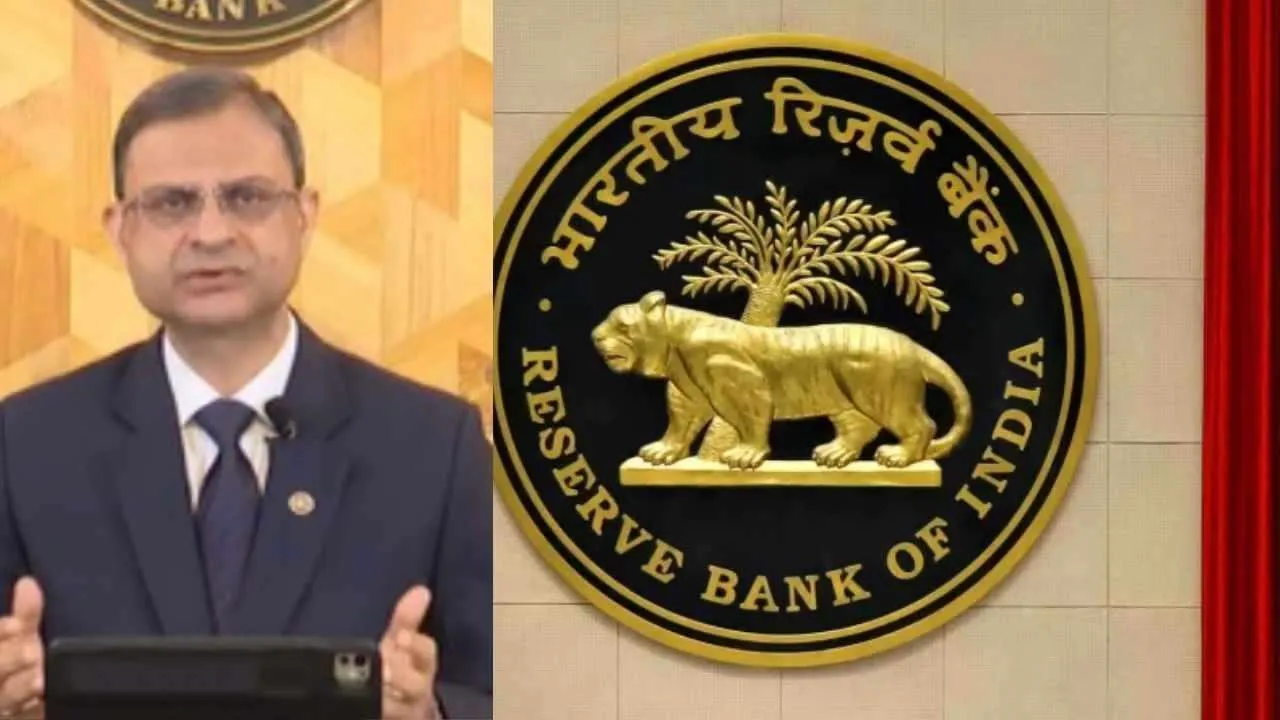
RBI MPC Meeting, October 7, 2026: The three-day RBI event will be concluded today. The end will be with a note by the Governor, Sanjay Malhotra. The Governor of RBI is scheduled to announce the committee’s final interest rate decision at 10:00 AM IST.
The most important topic for the financial markets today is the repo rate. It is the most important tool used by the central bank to fight back inflation and other economic conflicts.
If the MPC decides to hike the repo rate by 25 basis points (bps) to 5.50%, the impact could gradually be felt by borrowers, savers, businesses and financial markets.
Here is a simple look at what could change if the RBI increases the repo rate.
Also Read: RBI MPC Meeting October 2026: What Happens If Repo Rate Is Hiked, Unchanged Or Cut?
What Is the Repo Rate?
Before we move ahead, let’s simply look at the repo rate. The repo rate is a basic interest percentage at which the RBI lends money to commercial banks against the securities. So, when the repo rate rises, borrowing becomes costlier for banks. This eventually increases lending rates for borrowers and influences deposit rates across the financial system.
What Will Change If The RBI Hikes The Repo Rate?
1. Home Loan EMIs Could Increase: Borrowers with floating-rate home loans will see their interest rates rise. In case if their loans are linked to an external benchmark such as the repo rate. This could result in higher monthly EMIs or a longer loan tenure. This totally depends on the lender.
2. Auto and Personal Loans Could Become Costlier: A repo rate hike can make borrowing more expensive for consumers. Any new borrowers seeking car, two-wheeler or personal loans could face higher interest rates. Existing fixed-rate loans generally remain unchanged during their fixed-rate period.
3. Credit Card Borrowing May Get More Expensive: Consumers carrying outstanding credit card balances will face higher borrowing costs. Only if lenders increase applicable interest rates. This may make it more expensive to maintain unpaid balances over time and increase the overall cost of credit card borrowing.
4. FD Rates Could Rise: A repo rate hike could also benefit savers. Fixed deposit (FD) rates may increase as banks compete to attract deposits. Higher rates could provide better returns for savers, particularly those who depend on fixed-income instruments for regular income.
5. Stock Market Could See Volatility: Higher interest rates can affect sectors that depend heavily on borrowing and consumer demand. Real estate, automobiles and banking/NBFC stocks may experience volatility as higher financing costs affect corporate earnings, consumer demand and market valuations.
6. Corporate Borrowing Could Become Costlier: Companies may have to pay more to borrow money for expansion, working capital and other business requirements. Higher borrowing costs could affect corporate investment plans and capital expenditure (CapEx) decisions, potentially slowing business expansion.
7. Bond Yields Could Move Higher: Interest rates and bond prices generally have an inverse relationship. When market interest rates rise, existing bond prices can fall. At the same time, newly issued bonds may offer higher yields, making them more attractive to investors.
8. Inflation Could Cool: A key purpose of raising interest rates is to control inflation. Higher borrowing costs can reduce consumer and business spending, moderating demand. This could help ease price pressures and bring retail inflation closer to the RBI’s 4% target over time.
9. The Indian Rupee Could Get Support: Higher domestic interest rates can make Indian financial assets relatively more attractive to foreign investors. If this encourages capital inflows or reduces outflows, it could support the Indian rupee against the US dollar, although several global factors influence currency movements.
10. Economic Growth Could Slow: A repo rate hike can have a cooling effect on economic activity. Costlier loans may discourage consumers from making large purchases and businesses from taking new debt. As a result, consumption, investment and overall economic growth could face some pressure.
So, a repo rate hike affects more than just bank lending rates. It also impacts home loans, deposits, corporate borrowing, bonds, equities, inflation and the rupee. Borrowers may feel the pinch if the rate hikes, while savers could smile at better deposit rates. Ultimately, the RBI uses the hike to manage inflation and maintain stability.

Aishwarya Samant is a journalist with over 4 years of experience navigating the fast-paced corporate media landscape. She specializes in decoding business news, world economy, personal finance, and stock market trends, often adding a subtle touch of political perspective to keep things interesting.
Having worked with reputed organizations like ZEE, TV9, News24, and NewsX, she is no stranger to the newsroom hustle and the demands of real-time storytelling. Her writing style is fast-paced, engaging, and crafted to connect seamlessly with diverse audiences across platforms. She approaches every story from the reader’s point of view, breaking down complex topics into clear, relatable narratives backed by solid facts and credible sources. While she’s confident in expressing strong viewpoints, she ensures balance with insights. Sharp, fact-driven content that informs, engages, and keeps readers coming back for more.


-1791340043920_t.webp)