What is the Scientific Name for a Polar Bear?
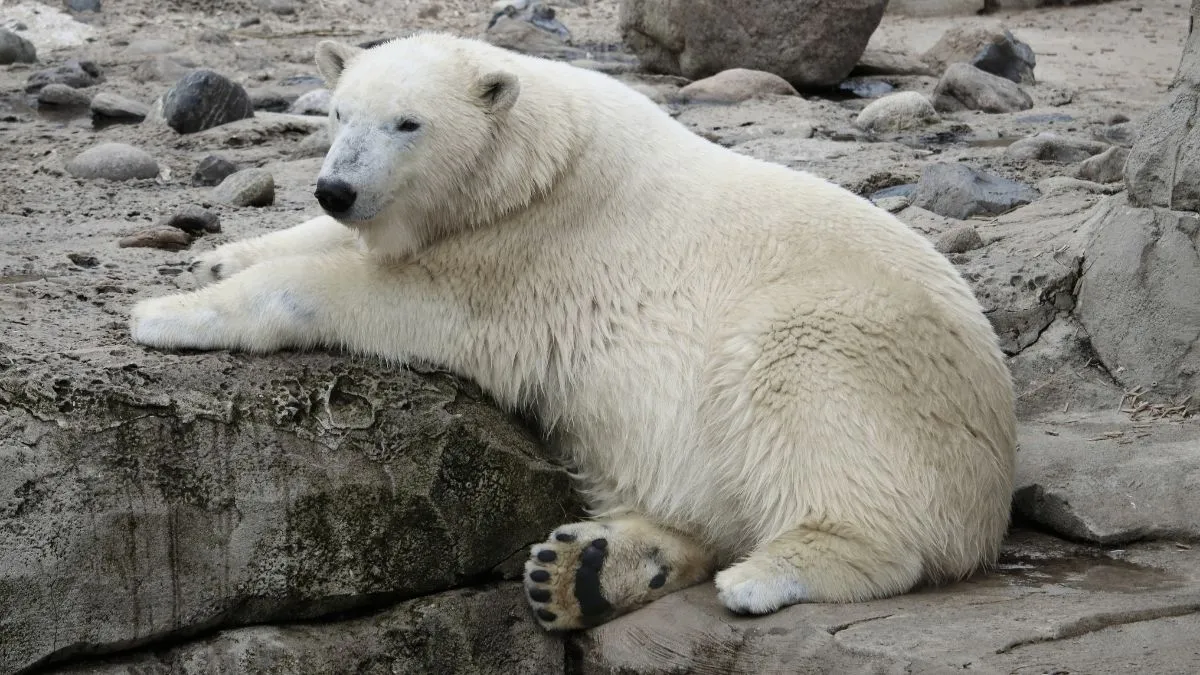
The scientific name for the polar bear, a majestic and solitary Arctic animal, is deeply connected to its habitat. Current data indicate a global population of around 26,000, classified as 'Vulnerable' by the IUCN, making their study crucial. Being aware of the correct classification is the first step in protecting these unique species of the bear family.
Key Points
- Ursus maritimus is the scientific name for polar bears, named in 1774 by Constantine Phipps.
- Polar bears are marine mammals in the Ursidae family, adapted to Arctic sea ice.
- Polar bears don't truly hibernate, except for pregnant females, and are exceptional swimmers.
Scientific name for polar bear: The polar bear is one of the most famous and beautiful predators in the world. It is perfectly suited to the harsh, frozen conditions of the Arctic. If you're interested in nature, learning about how species like the polar bear are officially classified is a great place to start. There are about 26,000 polar bears living in the circumpolar Arctic region right now.
This marine mammal, which is the biggest type of bear, has a lot of problems, mostly because of climate change, which is causing sea ice to melt. So, knowing the right scientific name for a polar bear can help us understand its place in the animal kingdom better and why it needs to be protected right away.
What is the Scientific Name for the Polar Bear?
The scientific name for the polar bear is Ursus maritimus. This binomial name was formally given by Constantine John Phipps in 1774. The term literally translates to sea bear, which is a highly fitting name given that this carnivore spends the majority of its life on the Arctic sea ice and is classified as a marine mammal.
What is the Family of Polar bears?
The polar bear is a member of the Family Ursidae, which includes all eight living species of bears, like black bears and brown bears. The polar bear is in the Genus Ursus, which it shares with brown bears (Ursus arctos) and American black bears (Ursus americanus).
Check Out - What is the Scientific Name of Sheep?
Interesting Facts about Polar Bears
Polar bears are amazing examples of evolution because they have special adaptations that let them live in one of the harshest places on Earth.

1. Marine Mammal Classification
Not many people know ‘Where do polar bears live?’ These bears are the only kind of bear that lives in the ocean and needs sea ice for food and shelter. They mostly eat seals.
2. Insulating Fur and Skin
Even though their fur looks white to blend in, each hair is actually clear with a hollow center. Beneath the fur, their skin is jet black, which helps absorb sunlight and warm them.
3. Exceptional Swimmers
Polar bears are great swimmers. They can swim for a long time and move through the water at speeds of up to 6 mph.
4. No True Hibernation
Unlike their black and brown bear cousins, polar bears (except for pregnant females in dens) do not undergo true hibernation in winter, as this is their crucial season for hunting seals on the ice.
Check Out - What is the Scientific Name of a Fox?
The scientific name for a polar bear, Ursus maritimus, really shows how well it lives in the ocean. These beautiful carnivores, which belong to the Ursidae family and depend on ice, are a very important indicator species for the health of the Arctic ecosystem. It is important to keep working to protect this famous "sea bear" so that it can continue to roam the northern ice floes for many generations to come.

Harshita Singh is an education and general knowledge journalist with over 5 years of experience in educational writing. Specializing in US affairs and GK, Harshita has a track record of breaking down intricate geopolitical and historical subjects into clear, digestible insights for learners. Her strong background in text analysis, coupled with a Bachelor of Arts (Hons) in English from the University of Delhi, helps her produce authoritative, thoroughly researched content that empowers readers to engage confidently with global current affairs. For inquiries or academic insights, you can reach out to her directly at harshita.singh@jagrannewmedia.com.





.jpg)
![[OUT] UPSSSC PET Admit Card 2026 LIVE: यूपी पीईटी एडमिट कार्ड जारी, upsssc.gov.in पर Direct Link](https://img.jagranjosh.com/images/2026/October/15102026/UPSSSC-PET-Admit-Card-2026.jpg)