Which Colour Has The Highest Wavelength?
Red has the longest wavelength in the visible spectrum, ranging from 620 to 750 nanometres. Because its waves are long and slow, red travels effectively through mist and dust without scattering. This unique physical property makes it the most visible colour from a distance and the "warmest" hue we see.
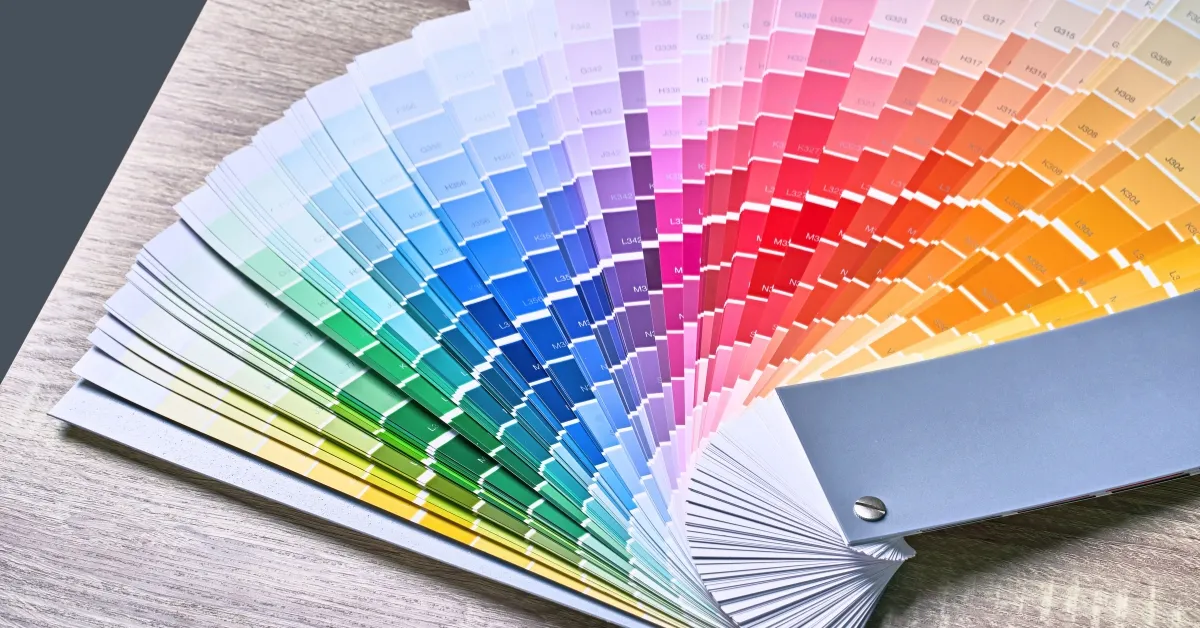
Did you know that the human eye can distinguish approximately 10 million different colours? Our world is a vibrant canvas filled with endless shades and tints. At the heart of this colourful display are the three primary colours: red, yellow, and blue. By mixing these, we create every imaginable hue. Colours often carry their own special nicknames and personalities. We usually call green the "colour of life" or "nature", while blue is famously known as the "cool" colour of the sky and sea. Yellow is often called the "colour of sunshine" for its bright, cheerful energy. But here is a puzzle for you: do you know which colour has the highest wavelength? Here is a hint: it is the same colour used for stop signs because it catches your eye from far away. It is also the "warmest" colour on the spectrum. In this article, we will take a close look at the science behind the rainbow.
Which Colour Has The Highest Wavelength?
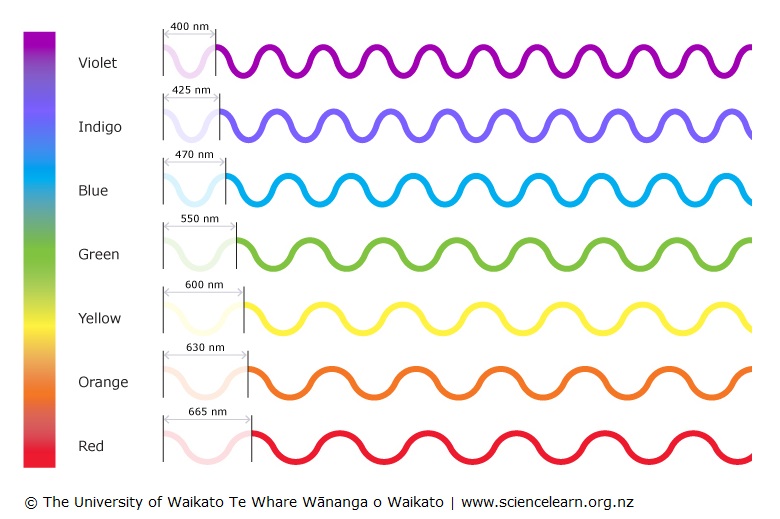
The colour with the highest wavelength in the visible spectrum is Red. While other colours like violet or blue vibrate quickly with short waves, red stretches out with the longest distance between its wave peaks. Because red has the longest wavelength, it experiences the least amount of "scattering" when it travels through the atmosphere. This unique physical property is why red is used for critical safety signals: it can penetrate fog, rain, and dust more effectively than any other colour. In the electromagnetic spectrum, red sits right next to infrared light. Its wavelength typically ranges from about 620 to 750 nanometres. This "long-reaching" nature is also why we see deep crimson hues at sunrise and sunset, when light has the farthest to travel.
10+ Fascinating Facts About the Colour Red
- Red is the first colour to disappear underwater; at depths of 15–20 feet, it looks grey or black.
- It has the highest "visibility" from a distance, which is why brake lights and stop signs are red.
- Mars appears red because its surface is covered in iron oxide, commonly known as rust.
- In many languages, "red" is the first colour name to evolve after "black" and "white".
- Most bulls are actually colour-blind to red; they react to the movement of the matador's cape, not the colour.
- Red ochre was one of the first pigments used by humans in prehistoric cave paintings.
- Many fast-food brands use red because it is scientifically proven to stimulate appetite and hunger.
- Looking at red for too long can increase your heart rate and blood pressure.
- During a total lunar eclipse, the moon turns red (a "Blood Moon") because of Rayleigh scattering.
- Red has the longest wavelength, the lowest frequency, and the lowest energy of all visible colours.
- While humans can see red clearly, honeybees cannot; they see it as black.
What Are The 7 Wavelengths In Order?
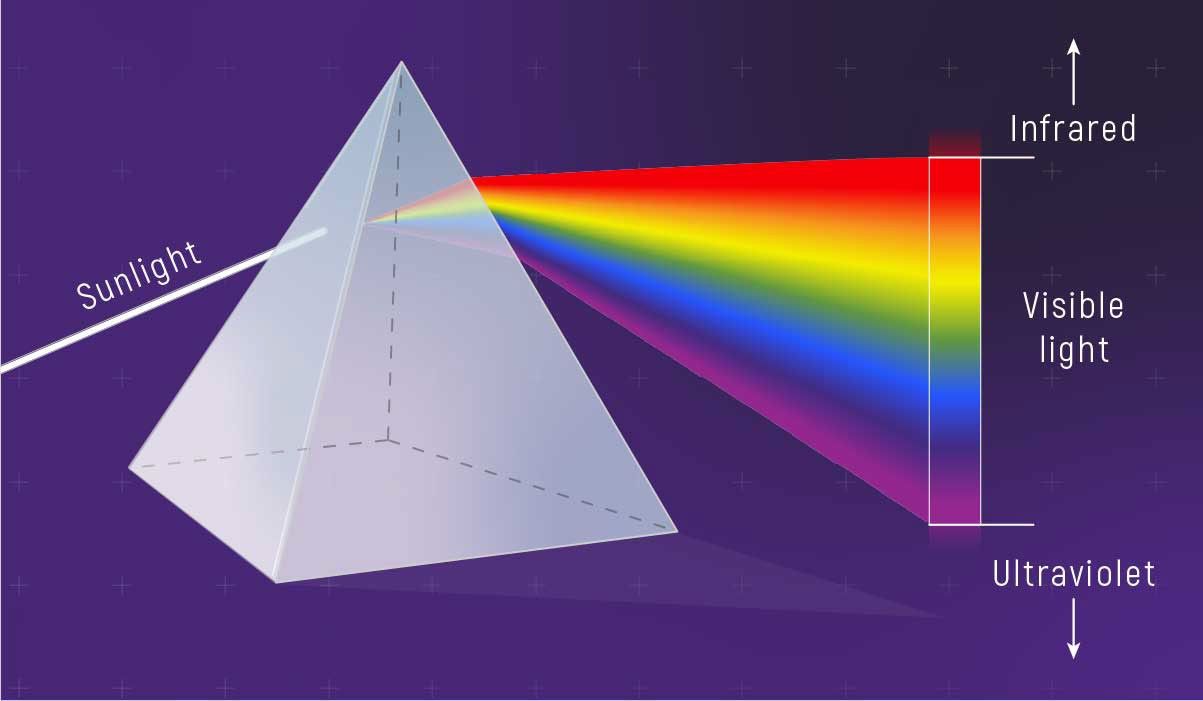
When white light passes through a prism, it splits into the visible spectrum. These seven colours are always arranged by wavelength, from longest to shortest. This order is often remembered by the acronym ROYGBIV:
- Red: The longest wavelength (~620–750 nm).
- Orange: (~590–620 nm).
- Yellow: (~570–590 nm).
- Green: (~495–570 nm).
- Blue: (~450–495 nm).
- Indigo: (~425–450 nm).
- Violet: The shortest wavelength (~380–425 nm).
At the "Red" end, the waves are long and lazy. At the "Violet" end, the waves are short, tight, and vibrate with much higher energy.
Why Does Red Have the Maximum Wavelength?
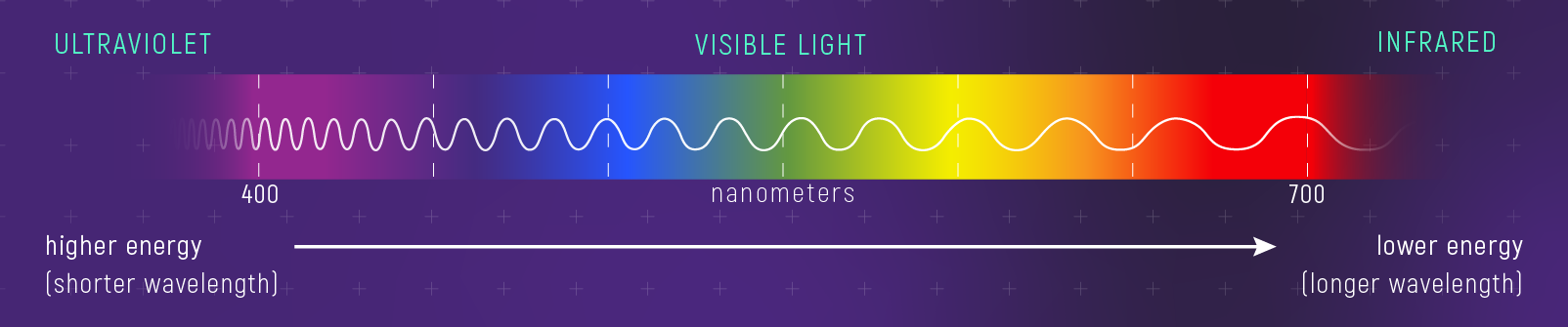
In the visible spectrum, red has the maximum wavelength because of its position relative to the rest of the electromagnetic spectrum. Light is a form of energy, and there is a mathematical relationship between energy and wavelength:

In this formula, E is energy and lambda (λ) is wavelength. Because they are "inversely proportional", the colour with the lowest energy naturally has the longest wavelength. Red sits at the very edge of what humans can see, right next to "Infrared" (which means "below red"). Because it vibrates the slowest and carries the least amount of energy among visible colours, its waves stretch out the furthest, giving it that "long-reach" ability to travel through the air without being easily scattered.
What is Wavelength?

Wavelength is the distance between two consecutive peaks (high points) or troughs (low points) of a wave. Imagine waves in the ocean; the distance from the top of one wave to the top of the next is the wavelength. In the world of light, these waves are invisible to the naked eye because they are incredibly tiny, but they determine everything about how we see colour.
We measure these distances in nanometres (nm), where 1 nm is one-billionth of a metre. Shorter wavelengths pack more energy and vibrate faster, while longer wavelengths move more slowly and carry less energy. Every colour you see is simply your brain interpreting a specific wavelength of light hitting your eyes.

Kriti Barua is a skilled digital journalist and communications professional with 4+ years of experience, currently writing for the General Knowledge section at Jagran New Media. She has established herself as a subject matter expert in History, Geography, Trending National and International News, Sports, Science, and Defence, producing clear, reliable, and search-optimised content that connects with readers worldwide.
Kriti holds a BA degree from Delhi University and a one-year diploma in TV Production and Journalism, an academic background that adds research depth and strong storytelling instincts to her writing. Her experience spans brand writing, content marketing, and digital media, giving her a sharp understanding of what makes content both helpful to readers and visible in search.
At Jagran New Media, she applies this expertise to national and international news coverage, query-based articles, and in-depth pieces across her specialist subject areas. Her content is defined by easy language, factual accuracy, strong keyword strategy, and reader-friendly storytelling.



![[लाइव] GDS Merit List 2026: कल इंडिया पोस्ट जीडीएस 1st मेरिट लिस्ट रिलीज होगी क्या?, सिलेक्ट होने पर मिलेगी इतनी सैलरी](https://img.jagranjosh.com/images/2026/October/9102026/Jagran-Josh-(87).jpg)