Who Was the First King to Have a Standing Army?
Sargon of Akkad, king of the Akkadian Empire (c. 2334-2279 BCE), established the world's first professional standing army. This permanent military force allowed him to unify and expand his empire, enforce law, and became a vital prototype for future military organizations.

Standing armies are permanent military forces of any nation, state or ruler to be available 24/7 whenever they are needed. A standing army is different from temporary militia and regular conscription, where soldiers only serve when they are called to do so by their government during times of emergencies and wartime. The emergence of the standing army represents a significant shift in the evolution of mankind allowing rulers greater enforcement of authority than prior military capabilities to protect and expand territorial boundaries and communities.
Additionally, it has created additional strategies for organizing, training, and sustaining logistics and resources necessary to maintain long-term military establishment. Although understanding the development of the standing army contributes to a better understanding of the transition of early forms of human societies from seasonal and temporary military deployments to the establishment of profession armies, which has significantly shaped how governments, law enforcement, and warfare have evolved through history in more complex human civilizations.
Check Out: Who Was the First King to Unite North and South India?
Who was the first king to have a standing army?
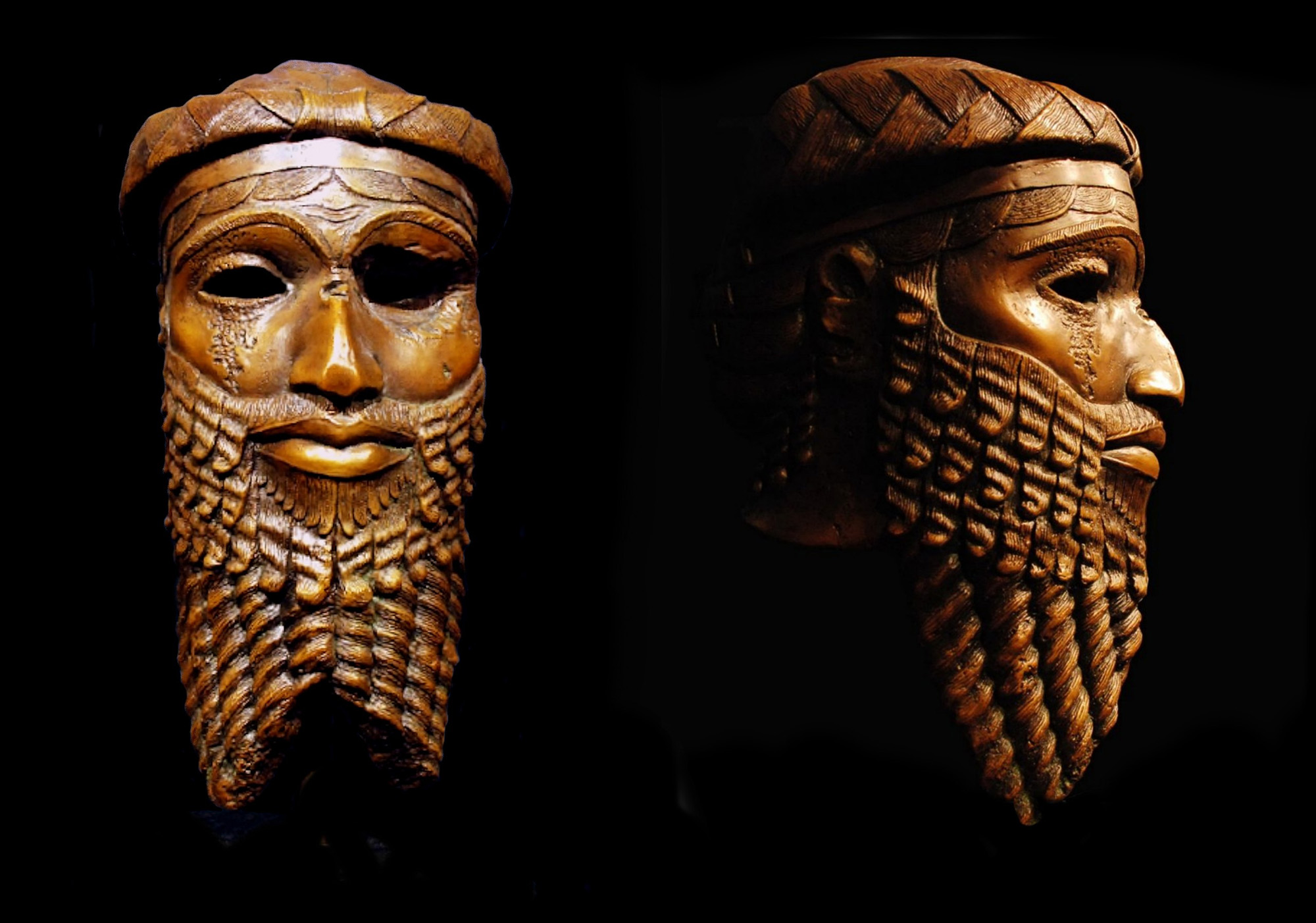
Most historians agree that Sargon of Akkad was the first king to create a standing army from his time as king of the Akkadian Empire in Mesopotamia from about 2334 to 2279 BCE. Before he created a standing army, most kings had to rely on seasonal forces made up of volunteers and conscripts, which were formed specifically for military campaigns.
However, he was the first to create and organize a regular professional army that was regularly maintained and always ready to be deployed.
By maintaining this permanent military structure, he was able to enlarge and unify an empire that is usually considered to have been the largest ever; to more effectively exercise control over the enforcement of law and punishment of lawbreakers; and to provide internal order for his subject peoples.
The model of a standing army later became a prototype for future civilizations and led to the ability of centralized states to maintain a large, long-term organized military and control over a larger number of their bordering territories.
Which civilization first used a permanent army?
The Akkadian Empire in Mesopotamia was the first civilization to have a true standing army.
The Akkadian ruler Sargon of Akkad created the first standing army between 2334-2279 B.C.E. Through this permanent standing army, the Akkadians were able to create a much larger empire than what would be possible if relying on temporary levies or conscripts for military tasking.
While other civilizations during this time did create some form of military, the Akkadian empire's creation of a dedicated military organization known as a "professional army" allowed them to better manage and expand their empire.
Moreover, the concept of a "professional" standing army established by the Akkadians served as a model for future civilizations in the areas of military organization and the implementation of statecraft in the ancient world.
Conclusion
The creation of a permanent military force was an important advancement in the world. With this ability to have a professional army, kings were able to keep order within their domains, protect their land from outside aggressors and expand their empires through military action. Because of this early initiative, the structures for organizing an army were created. Throughout time and across many cultures, military organizations have been utilised by state systems of government.

Ayukta Zisha is an education journalist with over three years of experience in digital media. A graduate of St. Xavier’s College, she holds a Master’s degree in English along with a certification in Digital Marketing from IIT Delhi. Backed by a strong academic foundation in the humanities, she specializes in creating educational and general knowledge content across history, geography, literature, and current affairs. During her tenure at Jagran Josh, she worked extensively on U.S. news and global developments, curating informative and engaging content for a diverse readership. Her subject expertise and ability to simplify complex topics enable her to make complex information accessible to a wide audience. Beyond journalism, Ayukta is an avid reader and a published author.

-1789325468578_t.webp)