Census 2027: Uttar Pradesh, Uttarakhand and Punjab Begin Online Registration Today; List Of Important Questions, Step-by-Step Registration Process, State-Wise Dates
India's Census 2027 has entered a new phase, with online self-enumeration beginning in Uttar Pradesh, Uttarakhand, Punjab and Goa. Check the complete registration process, important questions, state-wise dates and how to submit your household details online.
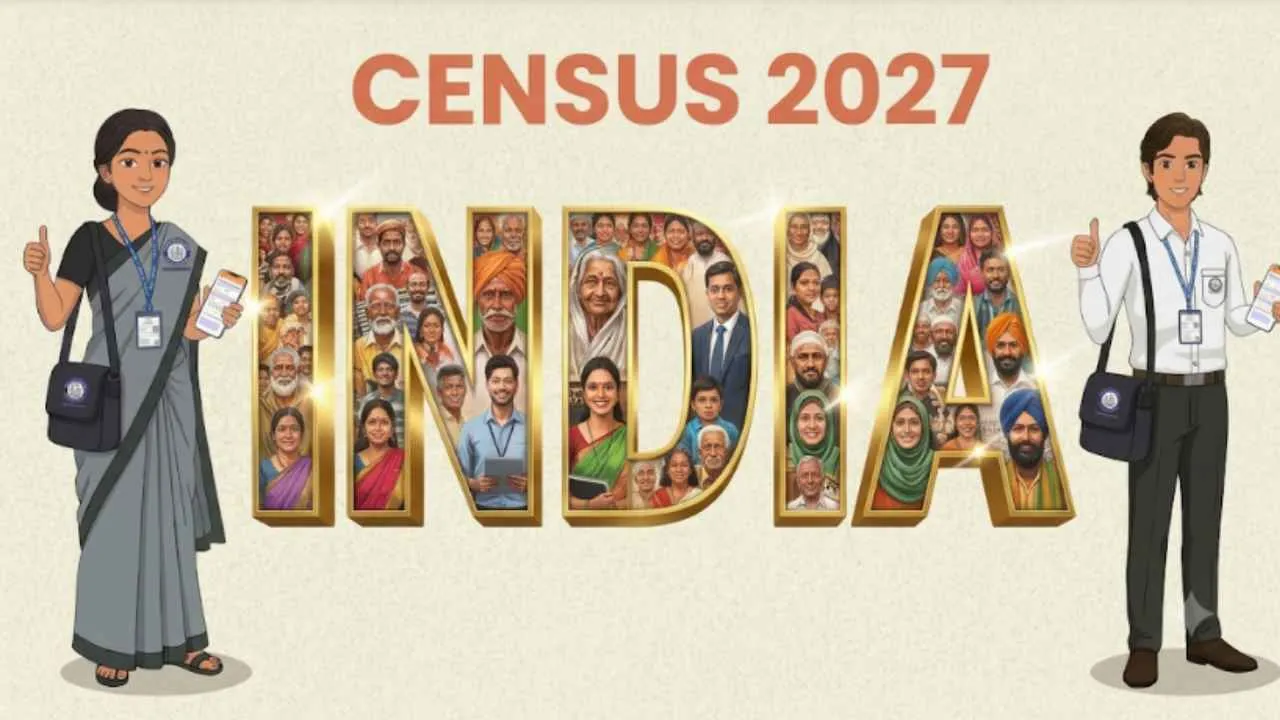
Census 2027: India ranks second in the world in terms of population, giving it a vast human resource base that contributes to industries and workforces across the globe.
But have you ever wondered how the country knows exactly how many people live here? That is where the population census comes in!
More than just counting heads, a census helps the government understand the country's population, living conditions and changing needs. It also provides essential data for planning policies, allocating resources and shaping India's future.
Now, one of the biggest nationwide exercises is about to begin: India's next population count. The process is moving into an important phase, and this time, you can complete part of it without waiting for a government official to knock on your door!
The self-enumeration facility opened on November 16, 2026, for poll-bound states, including Uttar Pradesh, Punjab, Goa and non-snow-bound areas of Uttarakhand.
But how does online registration work, what information must households provide, and when will officials begin door-to-door visits?
We're here to help you simplify the process. So, from important dates and state-wise schedules to registration steps and key questions, here is your easy guide to Census 2027.
When Does Census 2027 Begin?
India is not a small piece of land, and it is not going to be easy for the government to maintain the process without a hurdle. But the government has been doing this since forever, and with updated digital services, the tougher door-to-door part is also going to ease.
So, Census 2027 is being conducted in two major phases, each designed to collect different types of information about India's population, households and living conditions.
Here is a breakdown of the two phases and their timelines:
1. Phase 1: Houselisting and Housing Census (April–October 2026)
-
What does it cover? The first phase focuses on collecting information about houses, household facilities, living conditions and available assets.
-
What information is collected? Officials gather details about housing structures, ownership status, drinking water facilities, electricity, sanitation, cooking fuel, internet access and household assets.
-
When was it conducted? Phase 1 was conducted across different states and Union Territories between April and October 2026.
2. Phase 2: Population Enumeration (February 2027)
-
What does it cover? The second phase is an important step that focuses on counting individuals and collecting their demographic, educational, socio-economic and caste-related information.
-
What information is collected? The exercise covers details such as age, gender, marital status, education, migration, family information and other individual-level particulars.
-
When will it begin? The nationwide Population Enumeration exercise is scheduled for February 2027, with door-to-door visits planned from February 9 to February 28 in the remaining states and Union Territories.
3. Online Self-Enumeration Begins Before Door-to-Door Visits
-
When does registration begin? The online self-enumeration facility for Phase 2 has already opened on November 16, 2026. It is for poll-bound states, including Uttar Pradesh, Punjab, Goa and non-snow-bound areas of Uttarakhand.
-
How long will the window remain open? Eligible households can submit their details during a designated 15-day online registration window before physical enumeration begins in their respective states.
-
Why is it important? The facility allows households to submit their information online instead of waiting for an enumerator to collect all their details during the initial interaction.
-
Will officials still visit homes? Yes. Government enumerators will visit households to verify the submitted information and complete the enumeration process.
Important: The self-enumeration schedule differs across states and Union Territories. Residents should check the official Census portal for the applicable dates in their region.
Census 2027: State-Wise and Phase-Wise Important Dates
The Census 2027 schedule varies across states and geographical regions. The government has introduced different timelines for self-enumeration and door-to-door visits. Here is a state-wise and phase-wise breakdown of the important dates:
Census 2027: Important Dates To Remember
| Region/Category | Self-Enumeration Dates | Door-to-Door Enumeration |
| Uttar Pradesh, Punjab, Goa and non-snow-bound Uttarakhand | November 16–30, 2026 | December 1, 2026–January 4, 2027 |
| Rest of India | 15 days before respective field operations | February 9–28, 2027 |
| Snow-bound areas | Completed before field operations | August–September 2026 |
Important Dates and Details to Remember
-
Self-Enumeration Begins: November 16, 2026
-
Last Date for Self-Enumeration: November 30, 2026
-
Door-to-Door Census: December 1, 2026 – January 4, 2027
-
Revisional Round: January 5–9, 2027
-
Nationwide Population Enumeration: February 9–28, 2027
-
Snow-Bound Areas Enumeration: August–September 2026
-
Population Reference Date (Most States/UTs): March 1, 2027
-
Population Reference Date (Snow-Bound Areas): October 1, 2026
Important: The self-enumeration dates may differ across states and Union Territories. Citizens should check the official Census of India website for the latest state-specific notifications.
How To Register for Census 2027 From Home? Step-by-Step Process
Citizens can complete their household registration online through the official Self-Enumeration Portal. Follow these simple steps:
1. Visit the Portal: Open se.census.gov.in, select your State/UT and enter the captcha.
2. Enter Household Details: Provide the Head of the Household's name, an active mobile number and an optional email address.
3. Verify Mobile Number: Select your preferred language and enter the OTP received on your registered mobile number.
4. Mark Your Location: Pin your house on the digital map to identify its geographical location.
5. Complete the Questionnaire: Fill in the required household details and answer all the questions.
6. Submit and Save Your SE ID: Submit the form and save the 11-digit Self-Enumeration ID (SE ID) beginning with 'H'. Share this ID with the enumerator during the verification visit.
Census 2027: Most Important Questions Asked in Both Phases
| Phase 1: Houselisting and Housing Census (33 Questions) | Phase 2: Population Enumeration (40 Questions) |
| Type and condition of house structure | Name, age, gender and marital status |
| Materials used for walls and roofs | Parents' and spouse's details |
| House ownership status | Nationality and place of birth |
| Number of rooms in the house | Education and digital literacy |
| Source of drinking water and lighting | Migration and permanent residential address |
| Availability and type of latrine | Caste-related information |
| Primary cooking fuel and LPG availability | COVID-19 vaccination details |
| Ownership of computers and vehicles | Bank account and passport details |
| Availability of internet connection | Driving licence availability |
| Social category of the Head of the Household | Mobile number, Aadhaar and Voter ID details |
For Offial Updates: India CENSUS 2927

Aishwarya Samant is a journalist with over 4 years of experience navigating the fast-paced corporate media landscape. She specializes in decoding business news, world economy, personal finance, and stock market trends, often adding a subtle touch of political perspective to keep things interesting.
Having worked with reputed organizations like ZEE, TV9, News24, and NewsX, she is no stranger to the newsroom hustle and the demands of real-time storytelling. Her writing style is fast-paced, engaging, and crafted to connect seamlessly with diverse audiences across platforms. She approaches every story from the reader’s point of view, breaking down complex topics into clear, relatable narratives backed by solid facts and credible sources. While she’s confident in expressing strong viewpoints, she ensures balance with insights. Sharp, fact-driven content that informs, engages, and keeps readers coming back for more.