Fog Vs Smog: Check Here for all the Differences
Fog and smog may look alike, but they differ completely in origin and impact. Fog forms naturally from condensed water vapor, while smog is a toxic mixture of pollutants from vehicles and industries. Learn the key differences, causes, and health risks of smog, plus safety tips to protect yourself.
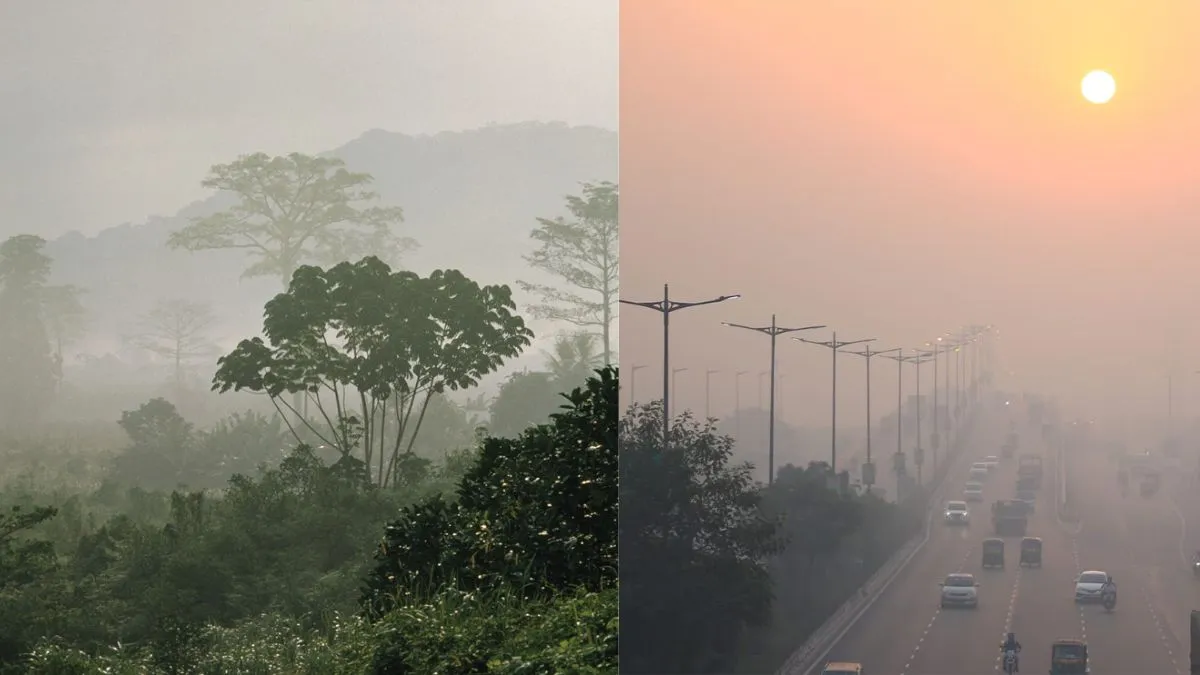
Every morning, when you step outside in the garden, you always wonder to see a soft white mist or a thick yellow haze in your garden. But do you ever realise that what you are seeing outside is this fog or smog? While both may seem similar, they are very different to each other. Fog is a natural phenomenon of a weather event, but on the other hand, smog is a polluted, man-made phenomenon that can seriously harm human health.
Let’s explore what causes each, their key differences, and why smog poses such a serious threat to both people and the planet.
What is Fog?
Fog is an effect of natural weather that takes place when the air contains tiny water droplets or ice crystals, which are suspended in the air around the ground, making the visibility very low.

Source: National Geographic Education
Its formation occurs when the warm, moist air cools down and reaches its dew point -the temperature at which the air is unable to hold all its moisture, and the water vapour therefore condenses into minuscule droplets.
The fog is a natural occurrence where the water vapour is condensed into minute droplets close to the ground. It is normally on cool and humid mornings and vanishes gradually as the day progresses. Fog is harmless, and it is an element of natural weather.
What is Smog?
Smog is a non-natural combination of such pollutants as sulfur dioxide, nitrogen oxides, volatile organic compounds (VOCs), and fine particulate matter (PM2.5 and PM10). These causes of pollution are primarily vehicles, industries and the burning of fossil fuels.

Source: National Geographic
Smog was a word developed in the early twentieth century in London by making a combination of the two words smoke and fog. It talked about the polluting coal burning that created dirty air that was thick and dirty- it was a symbol of the problems that the industrial era created in terms of pollution.
Fog Vs Smog: What are the major differences between Fog and Smog?
It becomes easy to mistake fog with smog when visibility becomes compromised. Nevertheless, the two are distinctly different in visual, chemical, and environmental differences.
Both are hazes that may be caused by air, but they differ greatly in their origins and composition.
| Feature | Fog | Smog |
| Origin | Natural (condensed water vapour) | Human-made (pollutants + moisture/sunlight) |
| Color | White or light grey | Yellowish or brownish |
| Smell | Odorless | Acrid or chemical odour |
| Health Impact | Harmless | Harmful – causes respiratory issues and long-term diseases |
| Formation Conditions | Cool, humid air; early mornings | Warm, stagnant air; sunlight; urban areas |
| Composition | Water droplets | Pollutants like NOx, SO₂, VOCs, PM2.5, and PM10 |
Fog forms under natural cooling conditions, while smog forms due to trapped pollutants in the lower atmosphere. If you feel eye irritation or throat discomfort, it’s likely smog, not fog.
Why Is Smog Dangerous?
There is more than dirty air; smog is a poisonous combination of dangerous chemicals that can have dire effects on human nature and the surrounding world.
Health Effects of Smog Exposure
-
Pulmonary disorders like asthma and bronchitis.
-
Throat, eye and nose aggravation.
-
Fatigue, nausea and lack of concentration.
-
Circulatory disorders and heart diseases.
Smog can also damage plants, soil, and aquatic life, reducing agricultural productivity and contributing to global warming.
Conclusion
Although this seems that fog and smog seem similar, the differences are enormous. Fog is a natural and non-harmful substance, which is the humidity condensation of water vapour, whereas smog is the toxic effect of pollution and human activity.
Within our control, through the awareness of the quality of air around us, usage of air quality equipment and the encouragement of cleaner activities, we can ensure our health and work toward a cleaner, airier future.

Prabhat Mishra is a Subject Matter Expert and digital journalist with an extensive background in the competitive exam landscape and over 4 years of experience in education, national and international news, and current affairs. Over his tenure with top knowledge platforms like Mentorship India, IAS BABA, IAS SARTHI, and now Jagran Josh, he has a deep understanding of government exams like UPSC and State PCS, including UP and Bihar, as he has already qualified for the UPPCS 2022 Mains and Bihar 68th Mains. With his core expertise in history, polity, geography & current affairs, he specialises in creating well-researched, aspirant-centric content and simplifying complex topics for competitive examinations.