Difference Between Lettuce and Cabbage
Lettuce (Asteraceae family) and cabbage (Brassicaceae family) differ in texture, flavor, and nutrition. Lettuce is soft and mild, primarily eaten raw for its Vitamin A content . Cabbage is dense, peppery, and used raw or cooked, offering more Vitamin C and fiber. Knowing these distinctions aids consumers in selecting the right vegetable for their culinary needs.
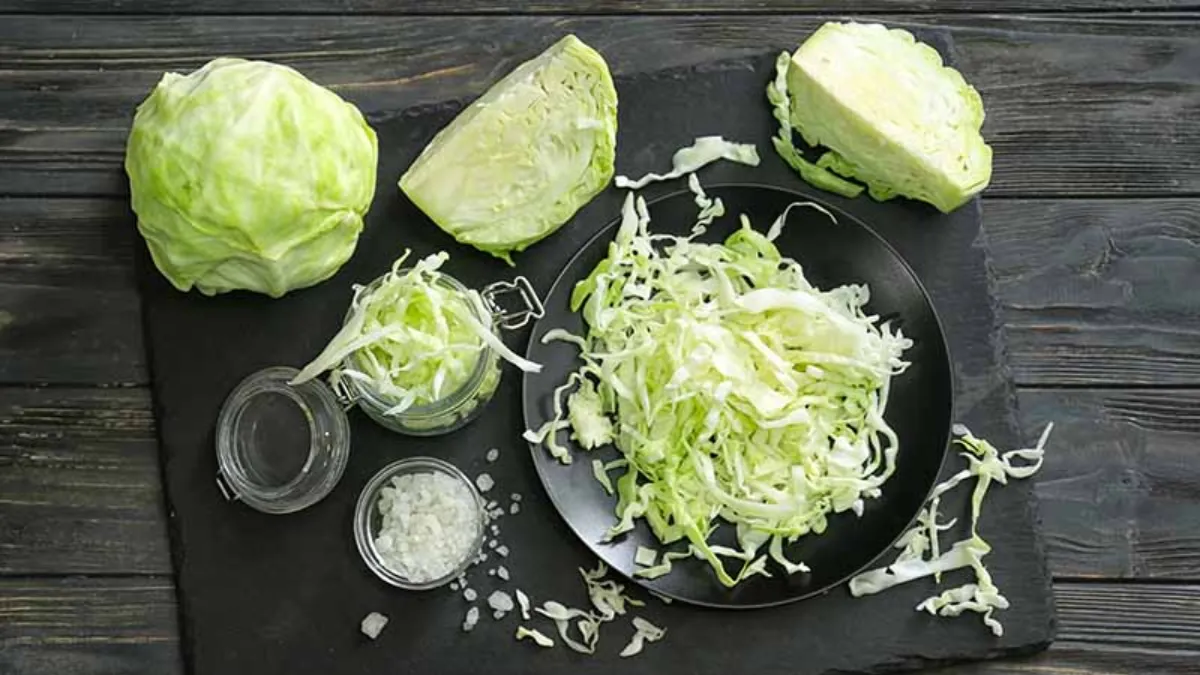
Lettuce and cabbage are among the globe's best-loved leafy vegetables, which are easily mistaken for one another because of their resemblance. While they are botanically different and vastly differ in texture, flavor, nutrient content, culinary applications, and even cultivation, knowledge of these differences can assist buyers in making informed decisions for salads, stir-fries, and other dishes to ensure maximum nutrition and flavor in daily meals.
Botanical Classification
-
Lettuce is a member of the Asteraceae family (genus Lactuca), or daisy family.

Source: Healthline
-
Cabbage is a member of the Brassicaceae family (genus Brassica), as are broccoli, kale, and cauliflower.

Source: Everyday Health
Appearance and Texture
-
Lettuce generally develops loose heads or open rosettes with soft, tender, and paler leaves. Its texture is more delicate and watery, making it crunchy.
-
Cabbage grows tight, heavy heads with hard, compact leaves. It is crunchier, firmer, and more able to retain its shape when cooked or fermented.
Flavor and Preparations
-
Lettuce has a mild, watery, and crisp taste and is usually consumed raw in salads, wraps, sandwiches, and burgers. Common varieties are iceberg, romaine, and leaf lettuce.
-
Cabbage has a richer, earthy, and slightly peppery flavor. It is used both raw (in salads, slaws) and cooked (in stir-fries, soups, stews) and is the primary ingredient in sauerkraut and
Nutritional Value
| Nutrient | Cabbage (per 100g) | Lettuce (per 100g) |
| Calories | 25 | 17 |
| Carbohydrates | 5.58g | 3.3g |
| Fiber | 2.3g | 2.1g |
| Sugars | 3.58g | 1.2g |
| Protein | 1.44g | 1.2g |
| Fat | 0.12g | 0.3g |
| Vitamin A | 9mcg | 290mcg |
| Vitamin C | 32.2mg | 24mg |
| Calcium | 47mg | 33mg |
| Iron | 0.59mg | 0.97mg |
-
Cabbage is also richer in vitamin C, fiber, B6, folate, and calcium, and is rich in antioxidants such as sulforaphane.
-
Lettuce, especially dark leafy ones, contain more of vitamin A, K, and iron.
Growing Conditions
-
Lettuce is usually cultivated in warmer times as an annual and prefers temperatures that are less harsh.
-
Cabbage does well in cooler temperatures and is generally a biennial, being planted in spring or autumn.
-
ALSO READ: Gurgaon Once had a River which is now Lost; Check its Name
Key Differences at a Glance
| Feature | Lettuce | Cabbage |
| Family | Asteraceae | Brassicaceae |
| Leaf Structure | Tender, loose, soft | Dense, robust, tightly packed |
| Color Range | Green, red, sometimes purple | Green, white, red, or purple |
| Taste | Mild, watery, no smell | Strong, peppery, has a distinct odor |
| Primary Uses | Raw – salads, sandwiches, wraps | Raw or cooked – slaw, stir-fries, soups |
| Water Content | Higher (up to 95%) | Slightly lower (about 92%) |
| Signature Dishes | Caesar salad, lettuce wraps | Coleslaw, sauerkraut, kimchi, stir-fries |
| Nutrition | More vitamin A, vitamin K, iron | More vitamin C, fiber, folate, calcium |
While lettuce and cabbage may look much the same at first glance, their texture, taste, nutritional value, and uses in the kitchen are fundamentally different. Lettuce is sought for its crisp, clean texture in salads, whereas the strength and nutrients of cabbage make it perfect for raw or cooked dishes, such as international staples kimchi and coleslaw. It is a matter of deciding between them based on the meal, taste, and nutritional requirement—both have their own taste and medicinal properties to offer.
ALSO READ: How did the First Telephone Look Like? Check how Much Different it is from Modern Telephone

Kirti Sharma is a journalist in the education domain with three and a half years of experience creating high-quality content for the education technology (EdTech) and digital media industries. She has an expertise in covering education news. Kirti has experience in writing data backed informational pieces on General knowledge.
Kirti holds a Bachelor of Arts degree, which helped build her strong foundation in writing and research. Over the course of her career, she has brought her skills to a variety of well-known companies, including ThoughtPartners Global, Infinite Group, and MIM-Essay. Through these roles, she has learned how to take complex information and turn it into engaging, easy-to-understand content for readers online.