The world of animals is full of astonishing diversity, and longevity is perhaps the most astonishing of all. While humans might consider living to 80 or 100 years old to be impressive, there are wild species - including some that live many times longer than humans, possibly hundreds to even thousands of years. In the far reaches of the depths of the oceans, or on isolated islands, some animals have evolved in remarkable ways, enabling them to live for hundreds or even thousands of years.
Their slow metabolic processes, stable environments, and anatomical features are critical to their longevity. And while satisfying our curiosity about them, studying these organisms can tell scientists about aging, resilience, and survival. Here are the top 10 longest-living animals on the planet.
Check Out: List of Top 10 Oldest Languages in the World (Still Spoken)
Top 10 Animals with the Longest Life-Span in the World
Here are the top 10 animals with the longest life span, along with the average and maximum life span:
| Rank | Animal Name | Average / Maximum Lifespan |
| 1 | Glass Sponge | Up to 10,000+ years |
| 2 | Black Coral | 4,000 - 5,000 years |
| 3 | Ocean Quahog (Clam) | 507 years |
| 4 | Greenland Shark | 300 - 500 years |
| 5 | Tube Worms | 300+ years |
| 6 | Bowhead Whale | 200+ years |
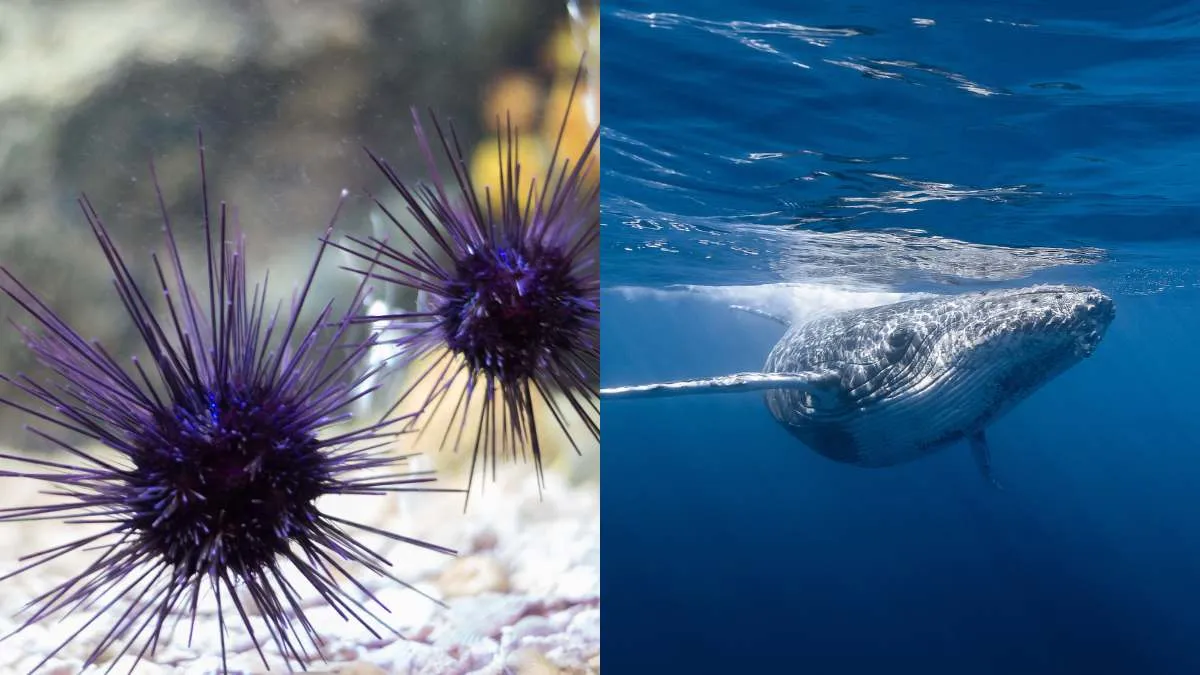
| 7 | Red Sea Urchin | 200+ years |
| 8 | Rough-Eye Rockfish | 200+ years |
| 9 | Galápagos / Aldabra Giant Tortoise | 100 - 200+ years |
| 10 | Koi Fish | 200+ years |
1. Glass Sponge
Glass sponges are truly remarkable creatures of the deep sea that are estimated to have lived for thousands of years, with some specimens being over 10,000 years old. They are located in the cold, dark depths of the ocean, where conditions are stable and their growth rate is extremely slow.
This enables them to thrive for thousands of years. Glass sponges are delicate animals that form reef-type structures and provide living space for marine life. Their long lifespan makes them one of the oldest living animals on the planet, and a subject of marine scientists exploring aging and resilience.
2. Black Coral

Black corals are living ecosystems in the deep ocean, and although they have the name of corals, they are animals, not plants. Living in the deep ocean, these corals live 4,000 to 5,000 years and are some of the longest living species on Earth. Their extreme longevity has to do with slow growth and cold, undisturbed conditions.
Black corals are critical organisms in marine ecosystems, providing places for invertebrates and fish to live. Their long life makes one curious about deep-sea animals and the endurance and time spans they possess.
3. Ocean Quahog (Clam)

The ocean quahog (Arctica islandica), a type of clam, is well known for its long life, some surviving well over 500 years. The most notable of these clams, "Ming", lived for 507 years old. Ocean quahogs live in the North Atlantic Ocean, grow slowly on cold ocean floors, and their lives are prolonged by low metabolic rates.
Scientists study this long-lived clan for climate studies and history because the shells record environmental changes yearly, like tree rings. Ocean quahogs are ancient survivors and have recorded environmental history for climate study.
4. Greenland Shark

The Greenland shark is the longest-lived vertebrate species in the world, living 300 to over 500 years. They swim slowly in the cold, icy waters of the North Atlantic and Arctic Oceans, and have a long period without developing, often not reproducing for 150 years.
Lifespans such as long are thought to be due to a slow metabolism, a cold, stable habitat, and little to no predation. They may be longer than 20 feet, and are apex predators seeking food in an ecosystem. It is not just those with scientific curiosity who are fascinated by animals that live for so long.
5. Tube Worms
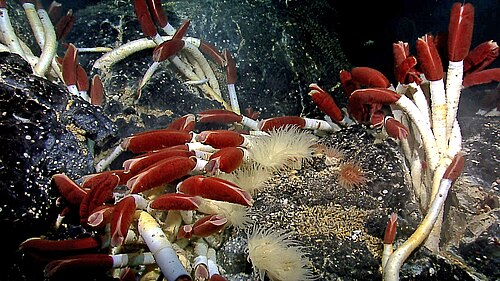
Tube worms live near hydrothermal vents and cold seeps deep ocean and can live longer than 300 years. Despite extreme conditions , tube worms survive on symbiotic bacteria that convert chems into energy. The stable deep-sea conditions and limited predation allow them to reportedly live over 300 years.
They can grow to several feet in length and connect shallow sea life and deep sea life in colonies ,which provide complex ecosystems. The ability to survive such extreme environments qualifies them as one of nature's most resilient species and exceptional lifespans.

-1758183983746.png "Which Lake has the Highest Salt Concentration in the World?")


Comments
All Comments (0)
Join the conversation