What Was the Old Name of Sri Lanka?
Sri Lanka, formerly known as Ceylon under European colonial rule, adopted its current name, meaning "resplendent island," in 1972 upon becoming a republic. This change marked a significant shift from its colonial past, emphasizing a return to its original cultural heritage and national independence.
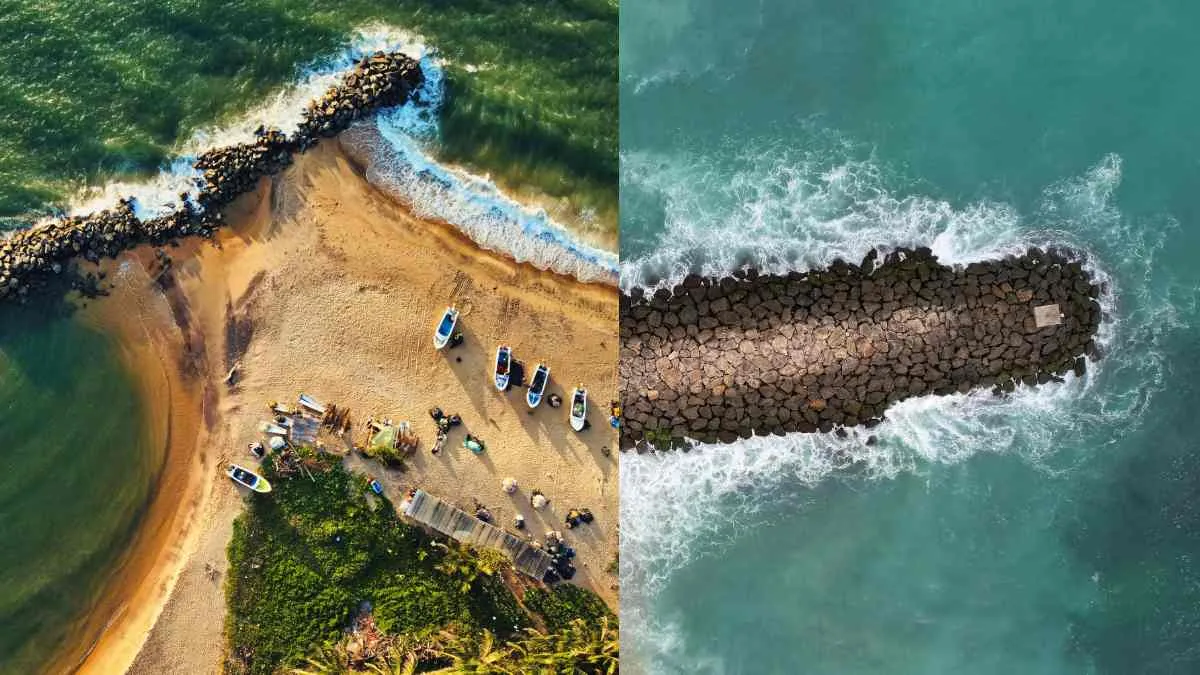
The island nation of Sri Lanka is located in the Indian Ocean south of the subcontinent of India. It is an incredibly beautiful island with beautiful mountains and beaches, tea plantations, a rich culture Buddhist heritage. Sri Lanka has one of the highest tourism rates in the world due to its many attractions for tourists.
Sri Lanka has been a trade hub since 2,000 years ago and has played a major role in the exchange of ideas and goods throughout Asia and beyond.
As a result, Sri Lanka has experienced many influences by a variety of cultures from ancient times, continuing into its colonial past, and has maintained a unique identity. Today Sri Lanka continues to develop and will continue to evolve with the integration of modern practices.
Check Out: What Was the Old Name of China?
What Was the Old Name of Sri Lanka?
During the time of European colonialism, Sri Lanka was commonly referred to as Ceylon. This name was derived from the name given by the Portuguese, Ceilão,”and was later adopted by both the Dutch and British colonisers.
After gaining independence from British Colonial Rule in 1948, the country kept the name Ceylon for some time.
In 1972, the country changed its name from Ceylon to Sri Lanka, which means “resplendent island”; this change was made when the country became a republic.
The name change marked a shift away from a colonial identity and towards a return to its original cultural heritage.
When did Ceylon become Sri Lanka?

After adopting a new republican constitution on May 22, 1972 and renaming Ceylon to Sri Lanka, the country fulfilled its historic journey of total separation from their previous British colonial rulers.
Previously, on February 4, 1948, Ceylon became independent from Britain as a dominion within the Commonwealth however remained accountable to be ruled through the British Monarch.
Ceylon’s transition to an independent and sovereign country was evidenced by the passing of the Constitution in 1972 thereby eliminating any aspect of British colonial rule and creating a “Republic of Sri Lanka” naming to determine its identity, heritage culture, tradition and independence.
Why was Sri Lanka called Ceylon?
Sri Lanka is known by the name Ceylon because European culture modified the pronunciation of the original Sinhala name “Sinhala”over centuries of commercial interaction and colonization. The name was first adopted by Arab merchants who referred to it as “Serendib.”
The Portuguese adapted the name to “Ceilão” during the 1600s and later the Dutch changed it to “Ceylon.”
The British continued to use the name Ceylon throughout their domination of the country.
Conclusion
Thus, Ceylon represents a distorted version of the island’s original name as it was spoken by its inhabitants and was used until 1972 when the name Sri Lanka was adopted to reflect the newly found identity of the nation and to emphasize national independence as well as a return to the cultural and historical roots of the indigenous people of the country.

Ayukta Zisha is an education journalist with over three years of experience in digital media. A graduate of St. Xavier’s College, she holds a Master’s degree in English along with a certification in Digital Marketing from IIT Delhi. Backed by a strong academic foundation in the humanities, she specializes in creating educational and general knowledge content across history, geography, literature, and current affairs. During her tenure at Jagran Josh, she worked extensively on U.S. news and global developments, curating informative and engaging content for a diverse readership. Her subject expertise and ability to simplify complex topics enable her to make complex information accessible to a wide audience. Beyond journalism, Ayukta is an avid reader and a published author.


-1789631730359_t.webp)