Which is the Most Common Blood Type?
The blood type an individual possesses has direct correlations with their health conditions, characteristics, and even the chances of their survival in case of emergencies. Blood types that are common and compatible have higher chances of survival. Let’s find out which is the most common type of blood group.
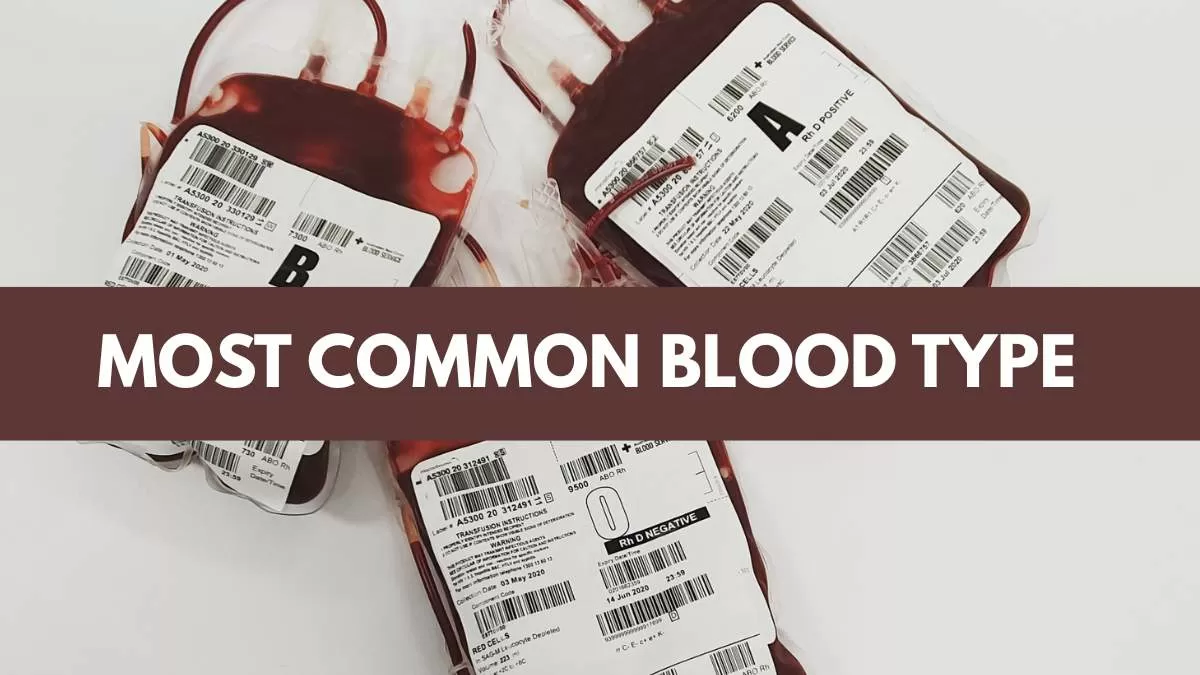
The Blood Type an individual is born with depends on the genes of the parents. The blood type of a human is determined by the antigens on the red blood cells. There are mainly eight blood types, which are A+, A-, B+, B-, AB+, AB-, O+, and O-. The eight blood types are further categorized based on the antigens on the surface. For example, type A has A antigens, type B has B antigens, the AB type has both A and B antigens, and type O has neither A nor B antigens. AB negative is the rarest blood type, with only 0.6 percent of people born with it. Are you curious which is the most common blood type? Let us find out.
The Most Common Blood Type is O positive
The most common type of blood type globally is O positive (O+). It is also the most compatible type of blood group, which is usually used when required by other blood groups. Approximately 38% of the population has this blood type.
- In times of crisis and emergency, when the blood type of the patient is unknown and blood needs to be transfused urgently then doctors prefer to use the O positive blood type. The risk of complications is lower in the case of the usage of O-positive blood type compared to other blood groups.
- O positive is the most valuable and high in demand blood type due to its compatibility and tag of being a universal blood donor to all O-positive types of blood groups.
- The healthiest type of blood group is O positive. People with this blood group have the lowest chances of developing heart disease or other chronic health conditions.
Why is O Positive the Most Common Blood Type?
Here are some of the major reasons why O positive is the most common blood type:
Inheritance: The genes of parents are responsible for the blood type we have, namely, A, B, and O. Two alleles of O+ are required for its occurrence in the body of a human, meanwhile, A and B are not that prevalent when compared to O+ blood type.
Presence of Antigen: O+ has the Rh factor with no presence of A and B antigens in its red blood cells. This would explain its prevalence as a dominant blood type when compared to A or B blood types.
Compatibility of O+ Blood Type
.jpg)
Here is a compatibility chart showcasing which blood types can receive blood from O positive and which blood types can donate blood to O positive:
| Receive From | Donate To |
| O+ | O+ |
| O- | A+ |
| A, B, AB Types | B+ |
| AB+ |
Thus, based on this chart, we can conclude that O-positive blood type is beneficial as a donor for all positive blood group types and rh-positive persons. Whereas, when it comes to receiving blood then O positive blood type can only receive blood from other O+ or O- blood types, and no A, B, AB types can be helpful to this blood type in case of emergency.

Ayukta Zisha is an education journalist with over three years of experience in digital media. A graduate of St. Xavier’s College, she holds a Master’s degree in English along with a certification in Digital Marketing from IIT Delhi. Backed by a strong academic foundation in the humanities, she specializes in creating educational and general knowledge content across history, geography, literature, and current affairs. During her tenure at Jagran Josh, she worked extensively on U.S. news and global developments, curating informative and engaging content for a diverse readership. Her subject expertise and ability to simplify complex topics enable her to make complex information accessible to a wide audience. Beyond journalism, Ayukta is an avid reader and a published author.