What is Kal Baisakhi? Understanding its Origin, Impact, and Meaning Behind This Summer Storm
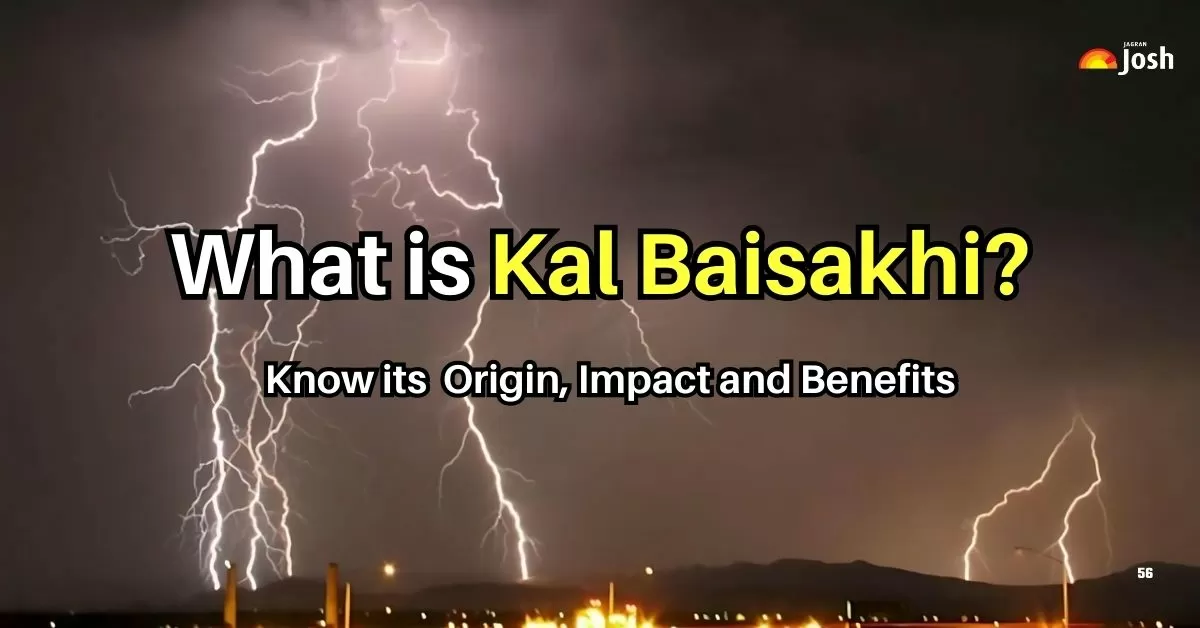
Kal Baisakhi, or Nor'wester, is a pre-monsoon thunderstorm common in northern India and Bangladesh during April-May. Characterised by dark clouds, strong winds, thunder, lightning, and heavy rain, it marks the transition from spring to summer. While sometimes destructive, it's vital for agriculture, replenishing water and cooling the intense heat, holding cultural significance in the region.
Key Points
- Kal Baisakhi is a localized thunderstorm common in India and Bangladesh during late April and early May.
- The storm is characterized by strong winds, heavy rain, and sometimes hail.
- While potentially destructive, it is crucial for agriculture, providing water for crops and cooling the pre-monsoon heat.
Kal Baisakhi, or Kalboishakhi, is a local weather phenomenon which occurs in countries like Bangladesh and India. Many Indian states are impacted by this intense thunderstorm, including West Bengal, Assam, Bihar, Jharkhand, Odisha, and Tripura.
The storm brings along powerful winds, downpours of rain, and sometimes even a few hailstones, but thankfully, these moments are usually brief. It primarily occurs in the afternoon or just before sunset.
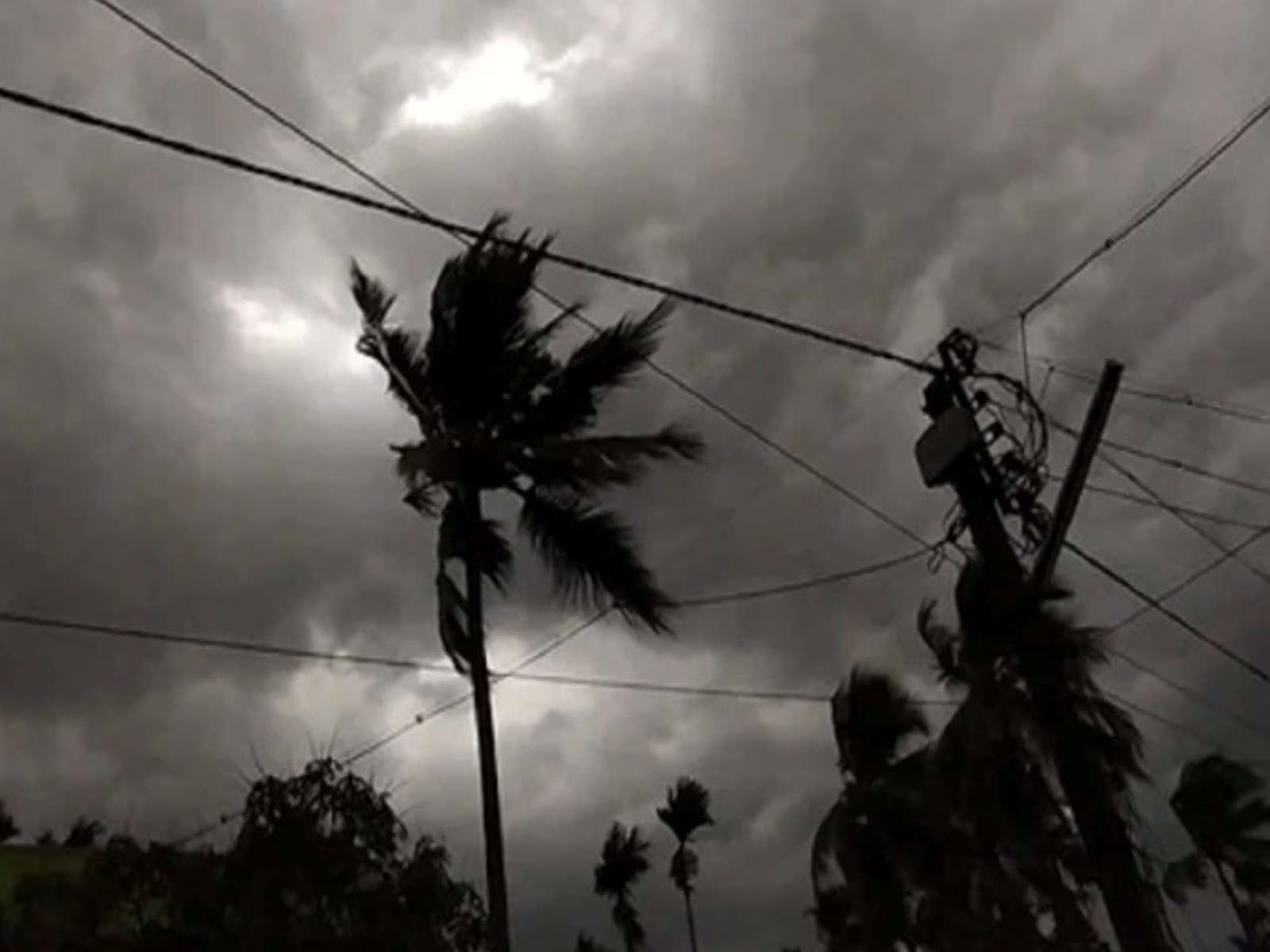
Do you know the meaning of 'kal' is black, and 'Baisakhi' is the first month of the Bengali calendar? This meteoric event gets its name because thick, dark black clouds start appearing over the sky and then bring gale-force winds with torrential rain, often with hail.
Check Out| Complete List of Air Defence Systems in India, All You Need to Know
What is Kal Baisakhi?
Source: News18
Kal Baisakhi is a traditional festival that is celebrated primarily in India and Bangladesh. It happens around the time when the weather starts getting hot, bringing those sudden, strong thunderstorms in late April and early May.
The name itself has meaning. "Baisakhi" is usually about the harvest season, and "Kal" means dark. Long ago, people in these areas saw these powerful storms as a good thing from nature because they brought the rain needed for their crops to grow.
To show respect for these storms and to ask for safety from any damage they might cause, people celebrate with prayers, special customs, and joyful events.
So, Kal Baisakhi is a way to mark the change from spring to summer and also shows how important rain is for the people who depend on farming.
What are the Origins and Effects of Kal Baisakhi?
Special Bulletin No. 13
— IMD Kolkata (@ImdKolkata) May 4, 2025
Enhanced Thunderstorm activities over the districts of West Bengal. pic.twitter.com/Rb9ZXZ3lZh
Kal Baisakhi is a localised rainfall and thunderstorm event that occurs in the northern part of India, around April and May, as spring turns into summer.
This weather event sometimes brings dark, scary-looking clouds, which then bring a big storm with strong winds, loud thunder, bright lightning, and heavy rain. This storm is called Kal Baisakhi, which in the local language means "black storm" because of those dark clouds.
This happens because warm air bumps into cold air. Even though these storms can sometimes cause problems like damage from strong winds or lightning, they also bring rain that helps the crops grow and gets the fields ready for the rainy season.
What are the Benefits of Kal Baisakhi?
Even though Kal Baisakhi can cause some trouble for a short time, it does a lot of good for the area.
- It brings much-needed water, which fills up rivers and helps the ground soak it in.
- This storm also cools down the hot weather, giving everyone a break from the heat.
- For farmers, it's a blessing because it waters their dry fields and helps their crops grow before the main rainy season starts.
- The storm even cleans the air by washing away dust and pollution for a bit.
- Kal Baisakhi is also the symbol of new beginnings in some local communities.
- Even meteorologists research these storms to gain a better understanding of the weather and improve their forecasting.
What's Next| Which is the Largest Bird in the World?

Kriti Barua is a skilled digital journalist and communications professional with 4+ years of experience, currently writing for the General Knowledge section at Jagran New Media. She has established herself as a subject matter expert in History, Geography, Trending National and International News, Sports, Science, and Defence, producing clear, reliable, and search-optimised content that connects with readers worldwide.
Kriti holds a BA degree from Delhi University and a one-year diploma in TV Production and Journalism, an academic background that adds research depth and strong storytelling instincts to her writing. Her experience spans brand writing, content marketing, and digital media, giving her a sharp understanding of what makes content both helpful to readers and visible in search.
At Jagran New Media, she applies this expertise to national and international news coverage, query-based articles, and in-depth pieces across her specialist subject areas. Her content is defined by easy language, factual accuracy, strong keyword strategy, and reader-friendly storytelling.