What is the S-500 Missile System? Check Its Features, Cost, Range and Other Key Details
The S-500 Prometheus is Russia's next-generation air and missile defence system, surpassing the S-400. It is designed to intercept hypersonic missiles, ballistic threats up to 2600 km, and targets in near-space (up to 3200 km altitude). With an estimated cost of around 52.5 billion per regiment, its core features include a fast 3-4 second response time and anti-satellite (ASAT) capability, making it a strategic national defence shield.
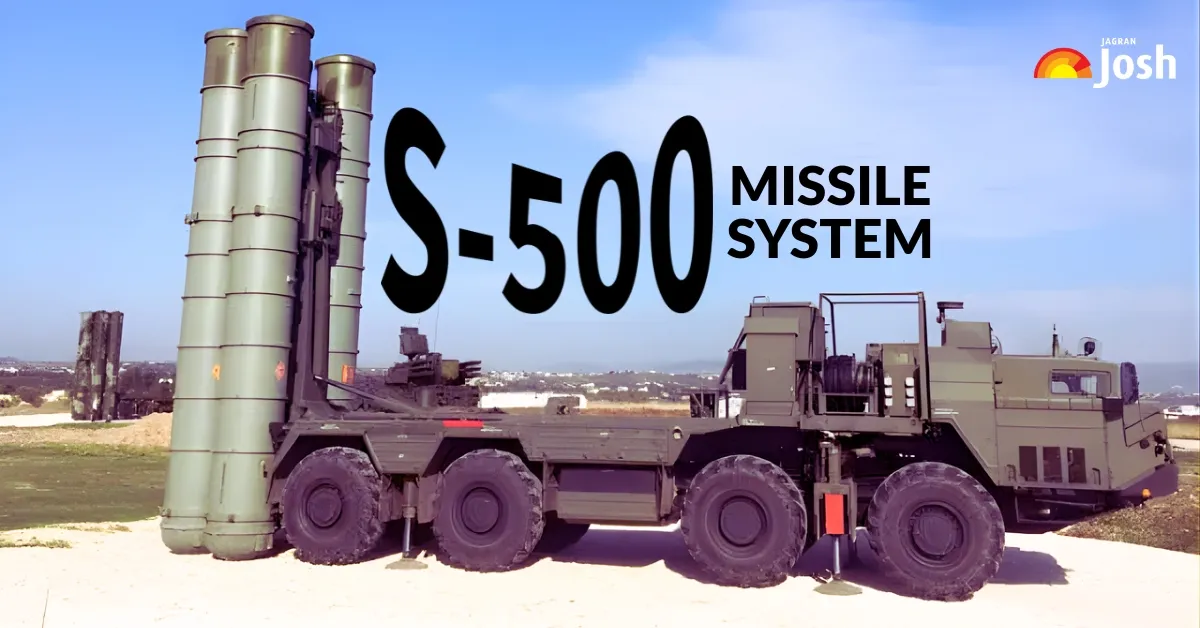
The S-500 Prometheus is Russia's most advanced next-generation air and missile defence system. It is a powerful, mobile surface-to-air missile (SAM) and anti-ballistic missile (ABM) system. Russia's Almaz-Antey Air Defence Concern developed this sophisticated weapon. The S-500's primary role is to defend against a wide range of top-tier threats. These include ballistic missiles, hypersonic cruise missiles, and stealth aircraft. Uniquely, the system is also designed to engage objects in low Earth orbit (LEO), giving it anti-satellite (ASAT) capability. The estimated unit cost for an S-500 regiment is around $2.5 billion. The first unit entered service with the Russian military in 2021. The S-500 supplements the older S-400 system. It is considered a strategic national defence asset. In this article, we'll take a look at the design, capabilities, and global significance of the S-500 Prometheus.
What is the S-500 Missile System? Key Features, Cost and Range
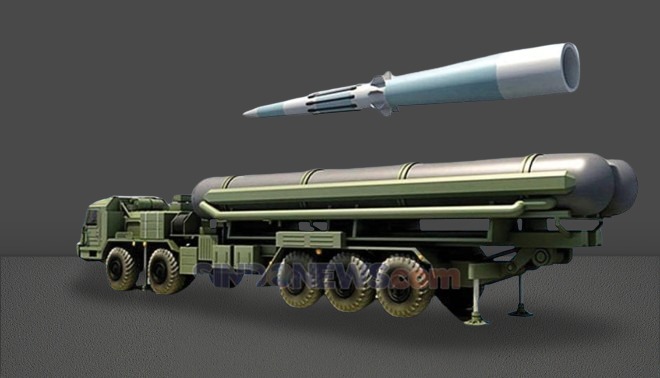
The S-500 "Prometey/Prometheus" is Russia's newest long-range air and missile defence system, designed to shoot down aircraft, ballistic missiles and some space‑range targets at very long distances and very high altitudes. It is intended to sit above the S‑400 as a strategic, national‑level air and missile defence shield.
What is the S-500 Missile System?
#Russia has offered the joint production of S-500 Prometheus missile system to India. pic.twitter.com/72IOcRhGup
— News IADN (@NewsIADN) May 12, 2025
The S-500 is a road‑mobile, surface‑to‑air missile (SAM) and anti‑ballistic missile (ABM) system developed by Almaz‑Antey for Russia's Aerospace Forces. It entered limited service in the early 2020s and is described by Russia as capable of countering stealth aircraft, cruise missiles, intermediate‑range ballistic missiles, and some intercontinental ballistic missile threats, as well as low‑Earth‑orbit satellites. In Russian doctrine, it complements systems like S‑400 and Pantsir, creating layered air defence from low to near‑space altitudes.
i) Key features
- Can engage aircraft, cruise missiles, ballistic missiles, hypersonic glide vehicles (claimed) and some low‑orbit satellites.
- Designed to track and engage up to about 10 ballistic or hypersonic targets at once, with a reaction time of under 4 seconds.
- Uses new hit‑to‑kill interceptor missiles (77N6‑N/77N6‑N1) and upgraded 40N6M missiles, giving exo‑atmospheric interception capability.
- Employs multiple powerful radars (acquisition, battle‑management and engagement) using modern technologies such as Gallium Nitride for better range, tracking speed and jamming resistance.
- Fully road mobile, with dedicated command posts and typically up to a dozen transporter‑erector‑launcher (TEL) vehicles in a unit.
ii) Range and engagement envelope
Most sources say the S‑500 can hit aerodynamic and some ballistic targets up to about 500–600 km away, depending on the missile and target. It can also intercept targets at altitudes of 180–200 km, near the edge of space. It can even threaten some objects in low Earth orbit, where many reconnaissance and communication satellites operate.
iii) Cost and export prospects
The cost of a single S-500 system is hard to pin down because each can be built differently, and not many have been built yet. Early reports said each system might cost about 700–800 million US dollars, but later estimates rose to 2–2.5 billion US dollars as the systems became more advanced and sanctions made things more complicated. Russia considers the S-500 very important. Although countries like India and China are interested, the S-500 hasn’t been officially offered for purchase to other countries yet.
How Does The S-500 Compare To The S-400 And THAAD?
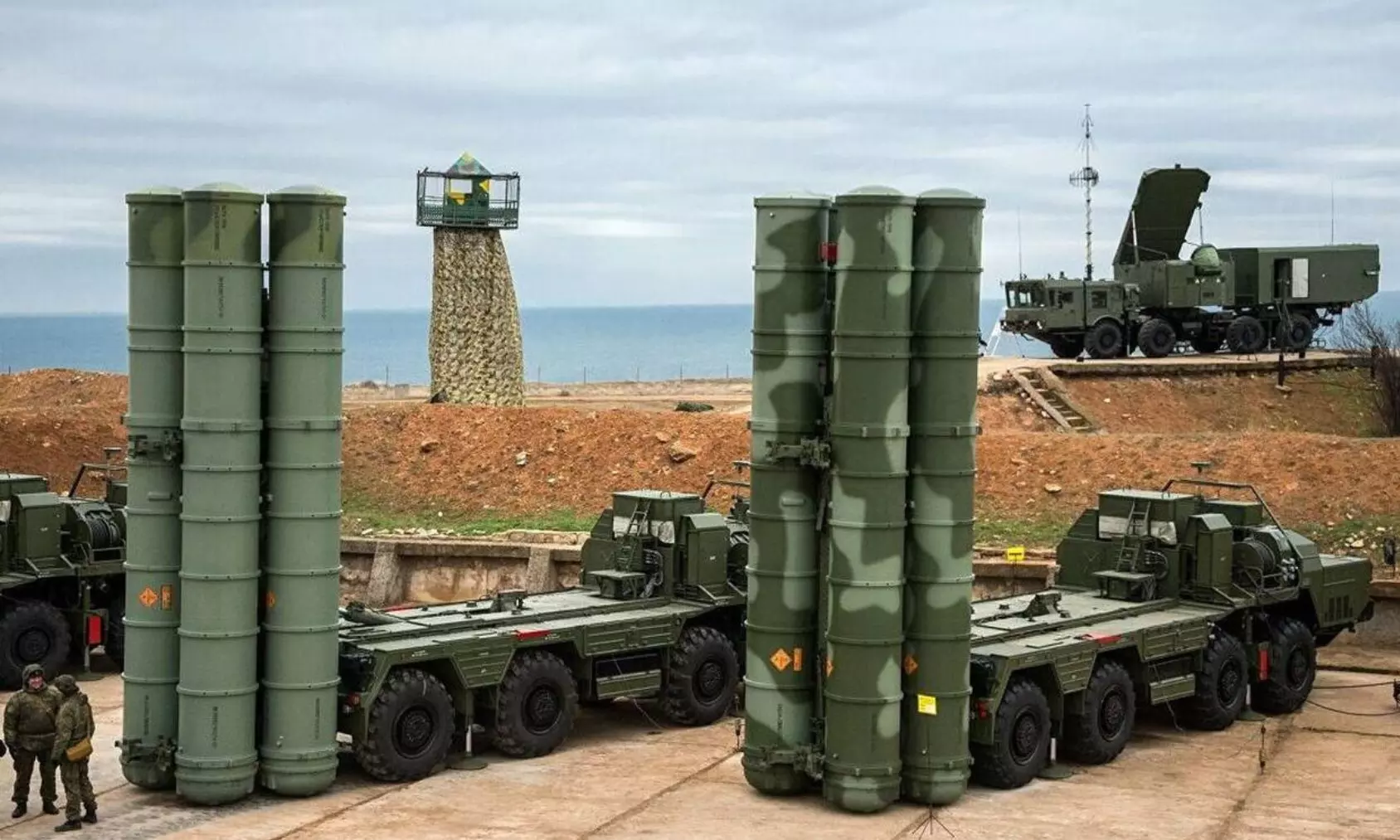
The S-500 sits above the S-400 in range and altitude and is more versatile than THAAD, which is focused mainly on terminal ballistic‑missile defence. S‑400 is primarily for long‑range air defence, S‑500 for air‑plus‑space‑range defence, and THAAD for stopping ballistic missiles near the end of their flight.
i) Roles and mission
- S‑400 is designed mainly to shoot down aircraft, drones and cruise missiles, with some ability against shorter‑range ballistic missiles.
- S‑500 adds higher‑tier ballistic, hypersonic and some low‑orbit targets, giving a strategic shield over an extensive area.
- THAAD is specialised almost only for short‑ to intermediate‑range ballistic missiles in the terminal phase, not for general air‑defence against aircraft.
ii) Range and altitude
- S‑400: Up to about 400 km range vs air targets; intercept altitude roughly to 30 km.
- S‑500: About 500–600 km maximum engagement range (mission‑dependent); intercept altitude up to about 180–200 km, near space.
- THAAD: Around 150–200 km range and up to roughly 150 km altitude, optimised for exo‑ and endo‑atmospheric missile intercepts, not long‑range air battles.
iii) Target Types And Kill Method
- S‑400 mainly engages fighters, bombers, UAVs and cruise missiles, plus some tactical ballistic missiles, using proximity‑fused warheads.
- S‑500 covers those plus faster ballistic missiles, claimed hypersonic glide vehicles and some LEO objects, using a mix of blast‑fragmentation and hit‑to‑kill‑type interceptors.
- THAAD is dedicated to ballistic missiles only and uses pure hit‑to‑kill interceptors for exact, high‑energy impacts.
iv) Employment and doctrine
- All three are road‑mobile and battery‑based, but used at different layers. S‑400 is a regional/theatre air‑defence system.
- S‑500 is a national or strategic asset protecting key zones and critical infrastructure.
- THAAD is deployed as a regional ballistic‑missile shield within a wider U.S.‑led layered defence network.
v) Quick comparison table: S-500 vs S-400 vs THAAD
| Feature | S-400 (Russia) | S-500 (Russia) | THAAD (USA) |
| Primary role | Long-range air defence | Air, missile & near-space defence | Terminal ballistic-missile defence |
| Max range (approx.) | Up to ∼400 km vs air targets | ∼500−600 km vs select targets | ∼150−200 km vs missiles |
| Max altitude | ∼30 km | ∼180−200 km | Up to ∼150 km |
| Main targets | Aircraft, UAVs, cruise missiles, and some TBMs | Same as S-400 + high-speed ballistic & some LEO objects | Short- to intermediate-range ballistic missiles |
| Kill mechanism | Proximity-fused warheads | Mix of blast-frag & hit-to-kill-type interceptors | Hit-to-kill interceptors only |
| Typical use level | Theatre / regional defence | Strategic/national shield | Regional shield in layered networks |
Conclusion
Russia offers joint production of S-500 air defense system to India again.
— Ajit Doval ᴾᵃʳᵒᵈʸ🇮🇳 (@IAjitDoval_IND) May 12, 2025
The system is designed to target threats at a maximum range of approximately 600 km for aerial targets. pic.twitter.com/AbclMcvczn
The S-500 Prometheus is Russia’s premier air and missile defense system, representing a major jump in capability beyond the S-400. It is designed to act as a strategic shield against the most challenging threats of the future. The system boasts an impressive range of up to 600 kilometers and can intercept targets reaching into near-space. Its most critical feature is the ability to counter high-speed threats, specifically hypersonic missiles, stealth fighter jets, and low-orbit satellites.
This makes the S-500 a transformative weapon, providing a crucial and rapid defense layer for protecting major cities and strategic national infrastructure from the fastest and most advanced aerial weapons being developed today.

Kriti Barua is a skilled digital journalist and communications professional with 4+ years of experience, currently writing for the General Knowledge section at Jagran New Media. She has established herself as a subject matter expert in History, Geography, Trending National and International News, Sports, Science, and Defence, producing clear, reliable, and search-optimised content that connects with readers worldwide.
Kriti holds a BA degree from Delhi University and a one-year diploma in TV Production and Journalism, an academic background that adds research depth and strong storytelling instincts to her writing. Her experience spans brand writing, content marketing, and digital media, giving her a sharp understanding of what makes content both helpful to readers and visible in search.
At Jagran New Media, she applies this expertise to national and international news coverage, query-based articles, and in-depth pieces across her specialist subject areas. Her content is defined by easy language, factual accuracy, strong keyword strategy, and reader-friendly storytelling.

-1790774580285_t.webp)
-1790773109683_t.webp)