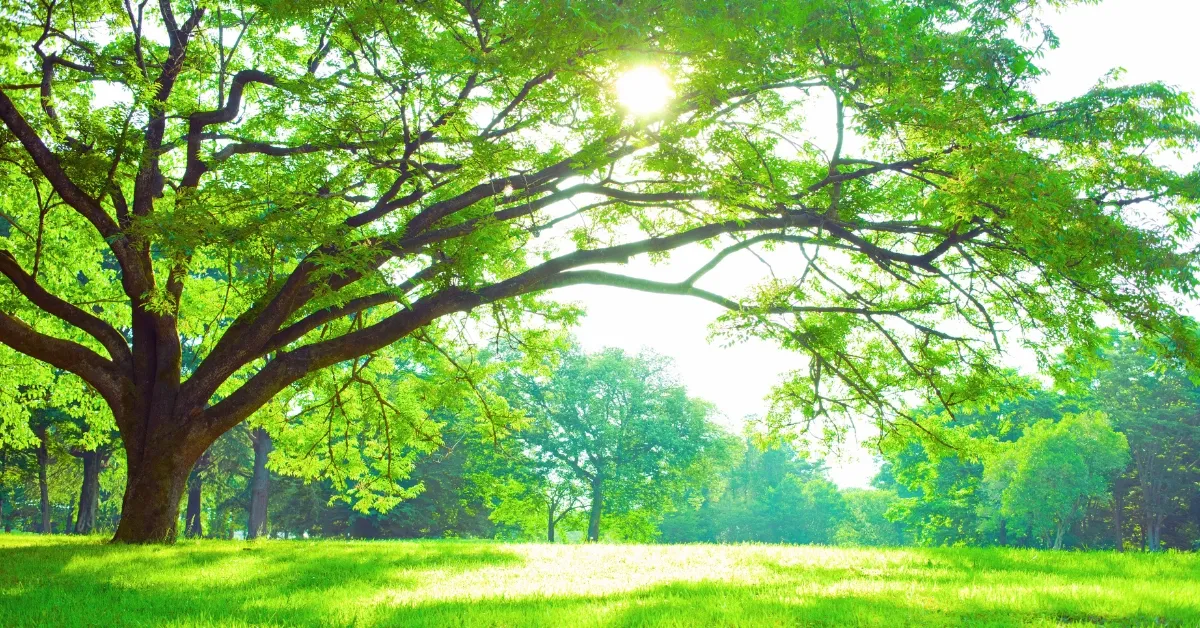
Did you know that some trees have been living on our planet for over 4,000 years? These giants are often called the "lungs of the earth" because they breathe life into our world. Trees do much more than just provide shade for a sunny afternoon. They filter the air we breathe, offer homes to wildlife, and keep our environment cool and stable. Without them, life as we know it would simply not exist. Most trees follow a strict routine: they take in carbon dioxide and release fresh oxygen during the day while the sun is shining. However, there are a few notable exceptions to this rule.
Do you know which tree releases oxygen at night? Here is a hint: this tree is considered sacred in many cultures and is often found near temples. It has heart-shaped leaves that dance even in the slightest breeze. In this article, we will take a look at these unique wonders and how they help us breathe easier while we sleep.
Which Tree Gives More Oxygen At Night?
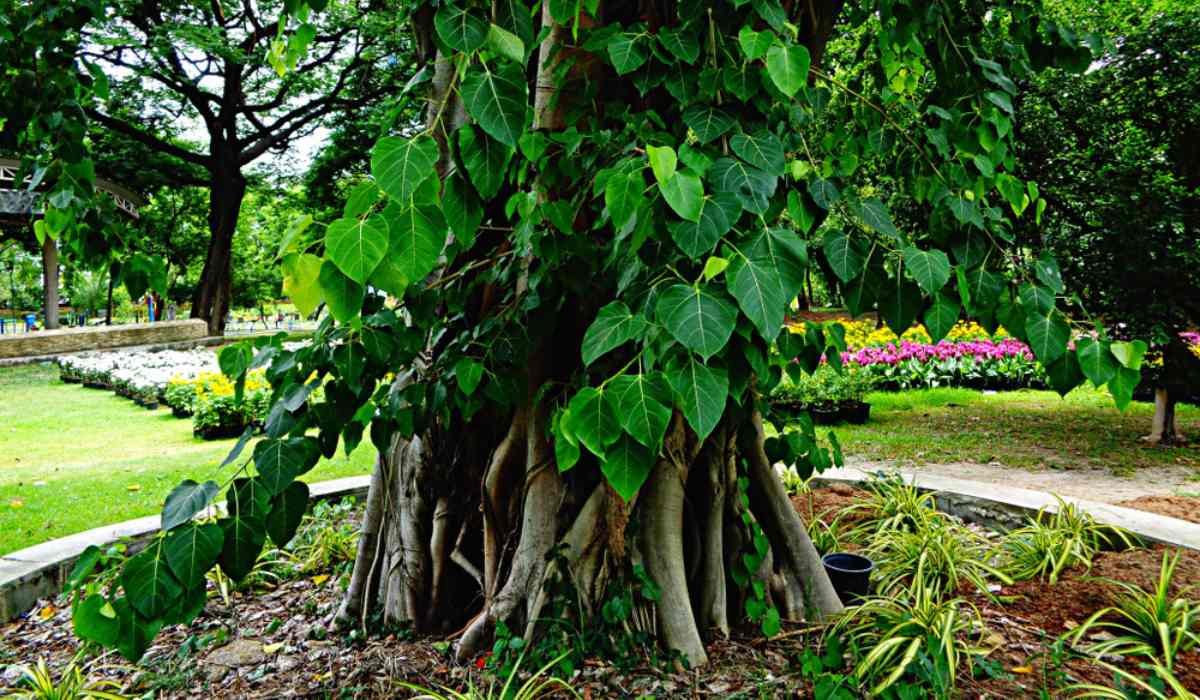
The tree most famous for releasing oxygen at night is the Peepal tree, scientifically known as Ficus religiosa. It is native to India, Nepal, and Southeast Asian countries. Unlike most plants, it performs a special type of photosynthesis that allows it to purify the air even in the dark. This giant can live for a very long time, often 900 to 1,500 years.

It plays a massive role in the environment by acting as a natural air filter and providing a home for hundreds of birds and insects. Known for its heart-shaped leaves, it is highly respected for its medicinal properties and its ability to reduce soil erosion.
10+ Lesser-known Facts about the Peepal Tree
- It is widely known as the Bodhi Tree because Gautama Buddha attained enlightenment under one.
- It can provide oxygen for up to 24 hours a day.
- It is the official state tree of the Indian states of Haryana and Bihar.
- Its bark and leaves are used in Ayurveda to treat asthma and digestive issues.
- Its wood is rarely used for furniture because the tree is considered too holy to cut.
- It is an "epiphyte", meaning it often starts growing in the cracks of walls or other trees.
- Fossil records suggest the Ficus genus is over 60 million years old.
- Beyond Asia, it has been introduced to Florida and Hawaii for its shade.
- Because of its thick canopy, it is excellent at reducing noise pollution in busy areas.
- It is the earliest tree depicted in Indian art and on Indus Valley Civilisation seals.
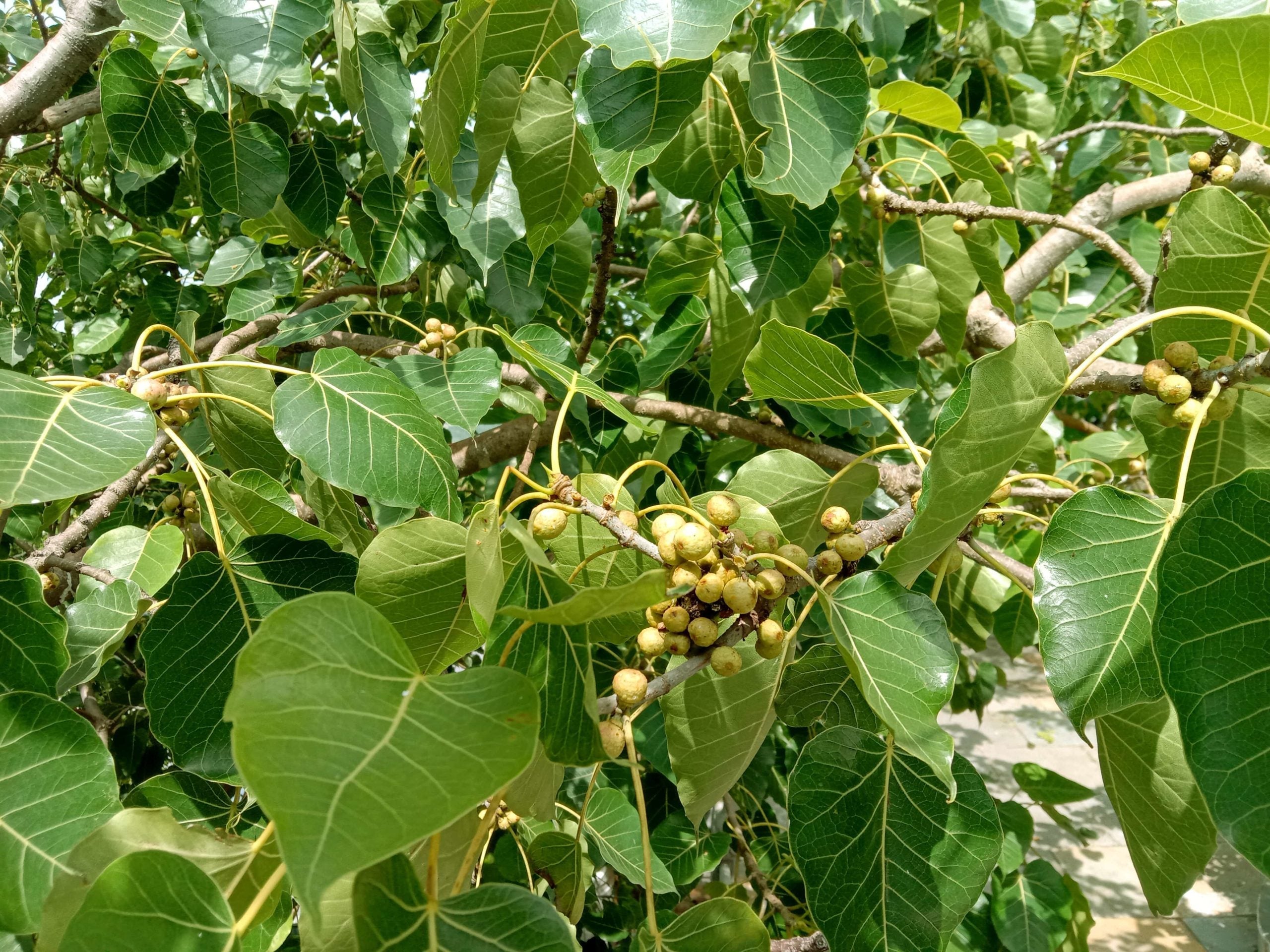
- It bears small green figs that turn purple when ripe, a favourite of local birds.
List of Top 10 Trees and Plants That Give Oxygen 24/7
While most plants stop producing oxygen after the sun goes down, these unique trees and plants use a special process to keep the air fresh and clean for 24 hours.
| Rank | Name of the Tree | Scientific Name | Where is it found? | About the Tree/Plant |
| 1 | Peepal Tree | Ficus religiosa | India, Nepal, Southeast Asia | Known as the Sacred Fig, this giant is the king of oxygen. It uses a special CAM pathway to release oxygen even at night. It is highly sacred and is often found near temples, having lived for over 1,500 years. |
| 2 | Banyan Tree | Ficus benghalensis | Indian Subcontinent | The National Tree of India is famous for its massive canopy and aerial roots. Like the Peepal, it produces vast amounts of oxygen day and night, providing a cooling effect and a home for many birds. |
| 3 | Neem Tree | Azadirachta indica | India, Africa, SE Asia | This "Natural Air Conditioner" is a powerhouse. It doesn't just give oxygen at night; it also acts as a natural pesticide and antibacterial filter, clearing the air of harmful chemicals and sulphur dioxide. |
| 4 | Tulsi (Holy Basil) | Ocimum tenuiflorum | India, SE Asia | Though often small, Tulsi is technically a woody shrub. It releases oxygen for 20 hours a day. It is revered in Ayurveda for its ability to reduce stress, sharpen memory, and purify the atmosphere. |
| 5 | Snake Plant | Dracaena trifasciata | West Africa | A champion for bedrooms, this plant converts CO₂ into oxygen specifically at night. It is incredibly hardy and filters out nasty indoor toxins like formaldehyde and benzene, making it a perfect natural air purifier. |
| 6 | Areca Palm | Dypsis lutescens | Madagascar | This tropical beauty is excellent for indoor spaces. It continuously produces oxygen and acts as a natural humidifier, making it ideal for people with dry sinuses or breathing issues at night. |
| 7 | Aloe Vera | Aloe barbadensis | Arabian Peninsula | Famous for skin care, Aloe Vera is also a nighttime oxygen hero. It is a "no-maintenance" succulent that improves air quality by removing aldehydes while you sleep. |
| 8 | Orchids | Orchidaceae | Worldwide (Tropical) | These elegant flowers use CAM photosynthesis to release oxygen in the dark. They are ideal for bedroom decor because they look stunning while actively removing xylene, a common pollutant found in wall paint. |
| 9 | Christmas Cactus | Schlumbergera | Brazil | This unique plant blooms in winter and keeps the oxygen flowing all night long. It is very adaptable to low-light indoor environments, making it a functional and festive addition to any home. |
| 10 | Gerbera Daisy | Gerbera jamesonii | South Africa | These colourful flowers are scientifically proven to release oxygen at night. They are often recommended for people suffering from sleep apnoea or breathing disorders to help them rest more comfortably. |
1. Peepal Tree

The Peepal tree is a true environmental wonder. It is one of the few large trees that can release oxygen for up to 24 hours. Because it performs CAM photosynthesis, it continues to function long after sunset. People in India consider it very holy and often sit under it for meditation. Its large, heart-shaped leaves are excellent at filtering dust and keeping the surrounding air very cool.
2. Banyan Tree
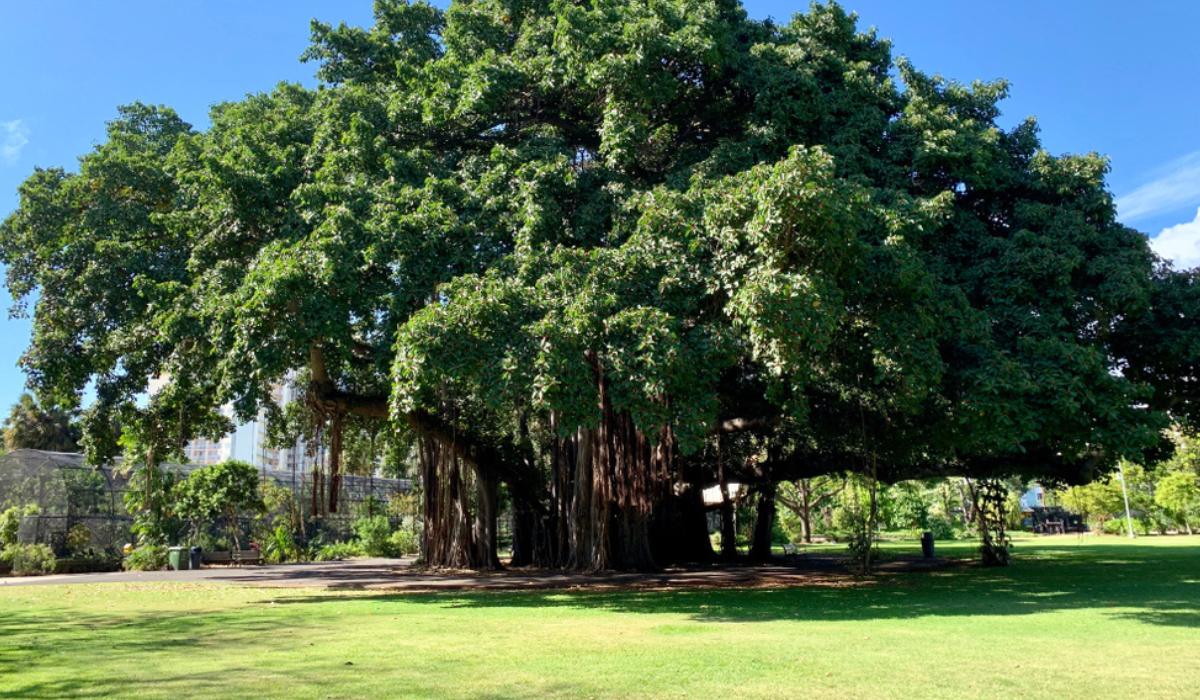
The Banyan tree is known for its incredible size and long life. It creates a massive "green lung" wherever it grows. By producing oxygen day and night, it helps balance the environment in crowded areas. Its thick leaves and wide branches also act as a natural shield against noise and heat. It is a symbol of eternal life because it can grow for hundreds of years.
3. Neem Tree
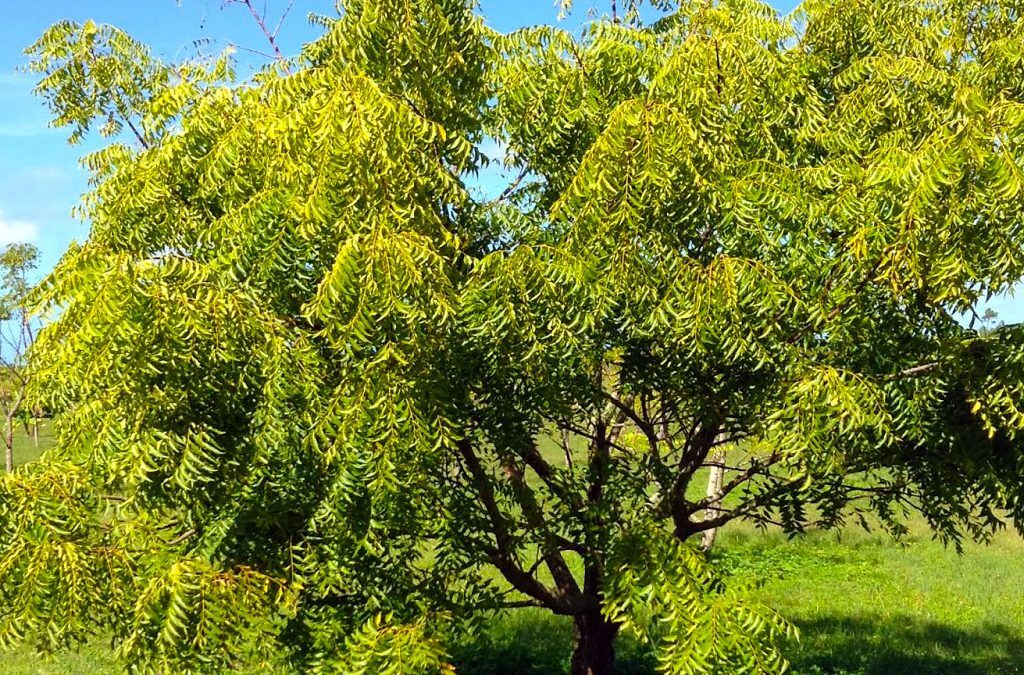
Neem is often called the "village pharmacy" because every part of it is valuable. It is a fantastic oxygen producer that also kills harmful bacteria in the air. By planting Neem, you get a natural pest repellent and a constant supply of fresh, clean air. It is very tough and can grow in dry places where other trees might struggle to survive.
4. Tulsi (Holy Basil)
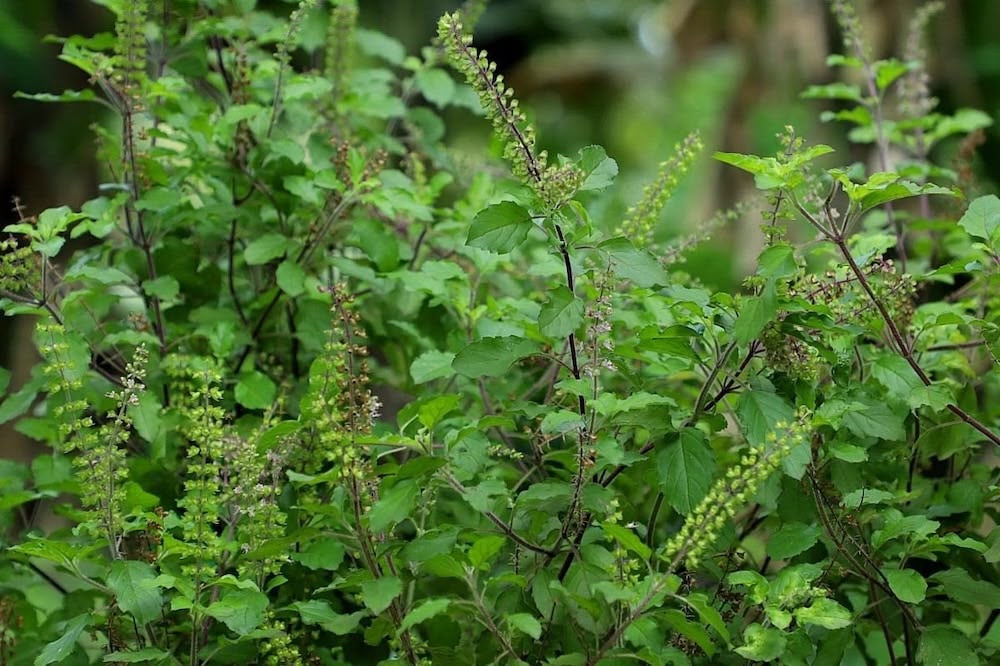
Tulsi is a must-have for every home. While it is smaller than the giants on this list, its impact is vast. It emits oxygen for nearly 20 hours a day and has a pleasant, calming scent. This aroma helps reduce anxiety and keeps the air smelling fresh. It is also very easy to grow in a small pot on a balcony or windowsill.
5. Snake Plant
:max_bytes(150000):strip_icc()/GettyImages-1268045137-521346e9bf3243b69539e1f9a3f4ce4e.jpg)
If you want better sleep, the Snake Plant is your best friend. Most plants take in oxygen at night, but the Snake Plant does the opposite; it gives it out! It is famous for being almost impossible to kill, even if you forget to water it. It acts like a silent machine, removing indoor poisons and pumping out fresh oxygen while you dream.
What Plant Produces The Most Oxygen At Night?
The Snake Plant (Sansevieria trifasciata) is widely considered the best indoor plant for nighttime oxygen. Unlike most plants that release CO₂ at night, the Snake Plant uses Crassulacean Acid Metabolism (CAM). This rare process allows it to open its pores at night to absorb carbon dioxide and release fresh oxygen while you sleep.






Comments
All Comments (0)
Join the conversation