Which Crop Is Called the White Gold of India?
Cotton is known as the White Gold of India due to its economic value, role in agriculture and textiles, employment generation and contribution to exports. Keep reading for details about the white gold of India.
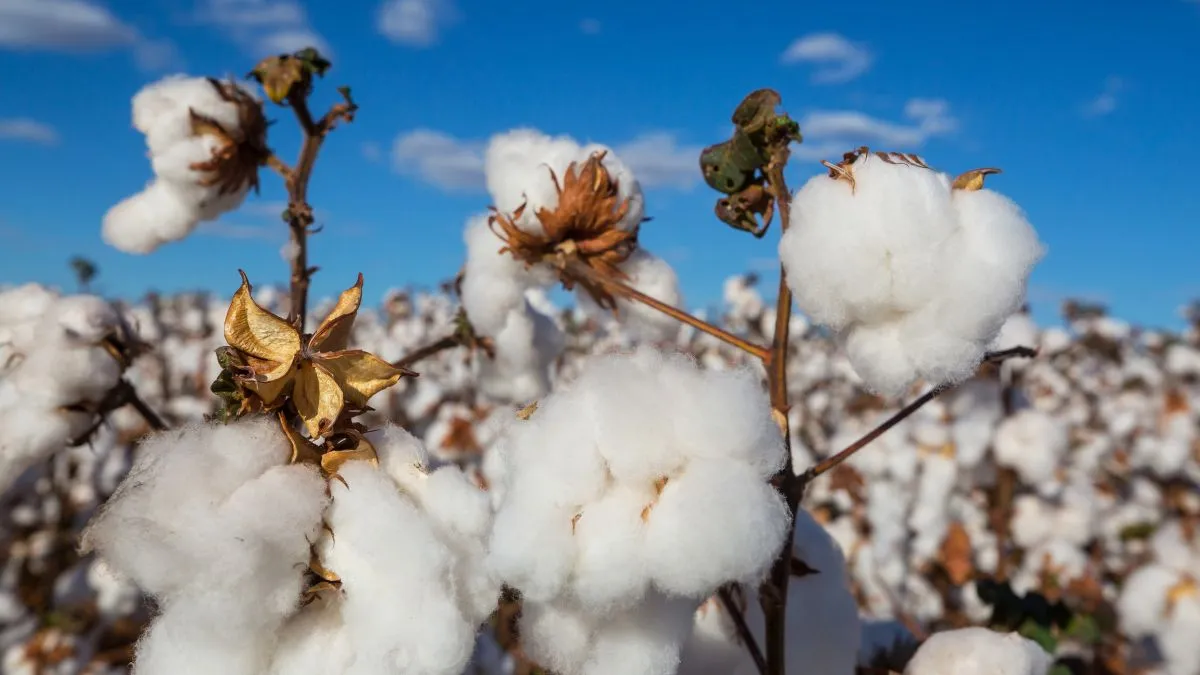
White Gold of India: Cotton is called the White Gold of India because of its high economic value, wide industrial use, large-scale employment generation, and strong contribution to exports. From agriculture to textiles, cotton connects farmers, industries, and global markets, making it one of the most valuable crops in the country.
Why Is Cotton Called the White Gold of India?
Cotton earns the title “White Gold” due to its ability to generate income at multiple levels of the economy. It supports farmers through crop sales, fuels the textile and garment industry, creates employment in rural and urban areas, and contributes significantly to foreign exchange earnings. Its white fibre and gold-like economic importance give cotton this popular nickname.
Importance of Cotton in Indian Agriculture
Cotton is one of the most important commercial crops in India. It is grown over a large area and supports millions of farming households. The crop requires a warm climate, moderate rainfall, and well-drained black or alluvial soil. Cotton cultivation plays a crucial role in stabilising farm incomes in many regions.

Largest Producer of Cotton in India
Gujarat is the largest producer of cotton in India, contributing the highest share to national production. The state benefits from favourable climate conditions, improved irrigation facilities, and the widespread use of high-yielding seed varieties. Other major cotton-producing states include Maharashtra, Telangana, Andhra Pradesh, Punjab, Haryana, and Rajasthan.
Largest Producer of Cotton in the World
India is the largest producer of cotton in the world, producing more cotton than any other country. Its vast agricultural land, suitable climatic conditions, and large farming workforce help maintain this global position. Countries like China, the United States, Brazil, and Pakistan follow India in cotton production.
Role of Cotton in the Textile Industry
Cotton is the primary raw material for India’s textile and apparel industry, one of the oldest and largest industries in the country. The industry depends on cotton to produce yarn, fabric, and garments for domestic use and export. A strong cotton sector directly supports industrial growth and manufacturing output.
Contribution of Cotton to Exports
Cotton and cotton-based products contribute significantly to India’s export earnings. India exports raw cotton, cotton yarn, fabrics, and finished garments to many countries. These exports help earn foreign exchange, strengthen trade relations, and enhance India’s global reputation in the textile market.
Government Support for Cotton Farmers
The Indian government supports cotton farmers through Minimum Support Price (MSP) to protect them from price fluctuations. Additional support includes crop insurance schemes, improved seed distribution, irrigation projects, and farmer training programs aimed at increasing productivity and reducing risks.

Interesting Facts About Cotton (White Gold of India)
Backbone of India’s Textile Sector
Cotton forms the foundation of India’s textile industry, which contributes significantly to industrial production, exports, and employment. Without cotton, the textile value chain would be severely affected.
Grown Across Diverse Regions
Cotton is cultivated in different agro-climatic zones across India, from rain-fed regions to irrigated areas. This adaptability makes it one of the most widely grown commercial crops in the country.
Multiple By-Products Increase Value
Apart from fibre, cotton seeds are used to produce cottonseed oil, animal feed, and industrial products. These by-products add extra income for farmers and industries.
Ancient Crop with Modern Importance
Cotton has been grown in India for thousands of years and was traded globally even in ancient times. Today, modern technology and improved varieties have increased its productivity and economic significance.
Read more: Which Crop Is Known as the Poor Man’s Crop?
Cotton is called the White Gold of India. Cotton cultivation boosts rural income, supports allied industries like ginning and spinning and contributes to infrastructure development in cotton-growing regions. Keep reading for more topics like this.

Jasreet Kaur is a journalist with over 3 years of experience in digital media and news content creation. She specializes in covering Trending News, including major National and International developments, with a focus on delivering accurate, engaging, and reader-friendly stories. Prior to this, she worked with Zee News as a Content Writer, where she gained extensive experience in news reporting and content strategy. Driven by curiosity, credibility, and a passion for impactful journalism, Jasreet aims to contribute to informed public discourse while supporting positive growth in organizations, society, and the world.


-1792761794673_t.webp)




.jpg)

![[OUT] UPSSSC PET Admit Card 2026 LIVE: यूपी पीईटी एडमिट कार्ड जारी, upsssc.gov.in पर Direct Link](https://img.jagranjosh.com/images/2026/October/15102026/UPSSSC-PET-Admit-Card-2026.jpg)