Which Country Has the Most Islands in the World?
Which country has the most islands in the world? Sweden leads with over 221,800 islands. Keep reading more about the largest islands in Sweden and the largest island on Earth.
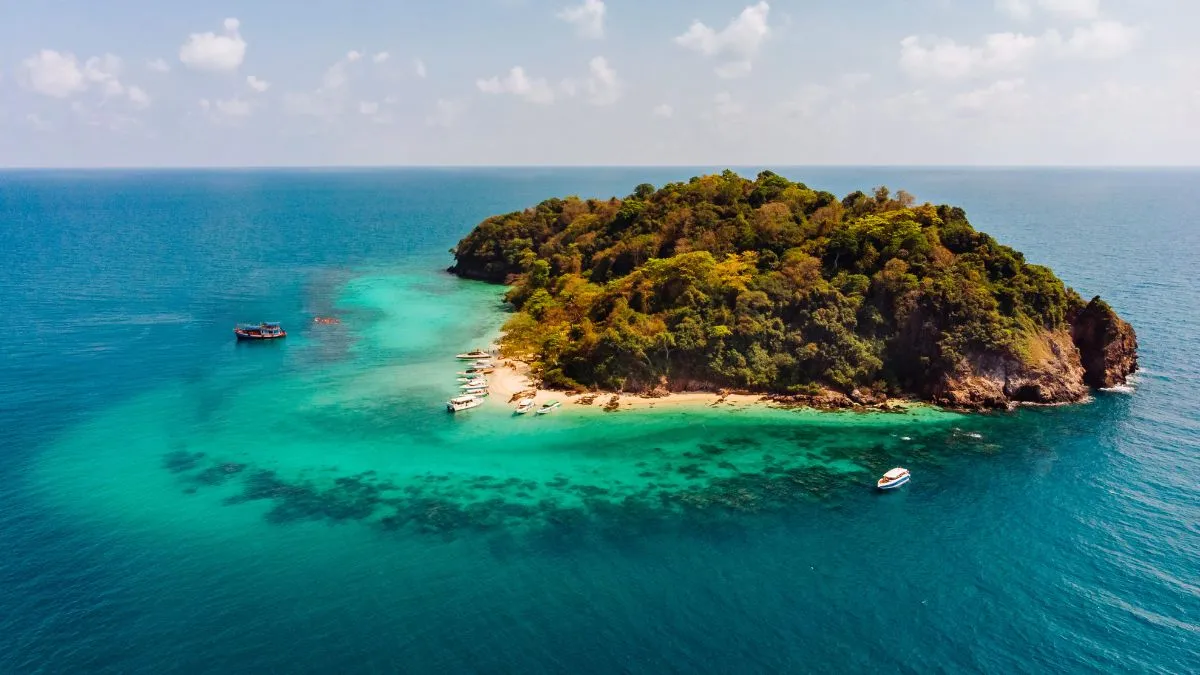
Country With the most islands: Sweden has the most islands in the world, with more than 221,800 islands recorded. This is the highest number for any country on Earth. Most of these islands are uninhabited, but they shape Sweden’s coastline, tourism economy, and natural environment.
Country With Most Islands in the World
Sweden has 221,800+ islands, confirmed through detailed national mapping surveys. These include rocky islets, forest-covered islands, and long coastal chains. Sweden’s island distribution stretches from the Gulf of Bothnia to the Baltic Sea. The country’s archipelagos support fishing, transport routes, conservation zones, and recreational boating.
Why Does Sweden Have So Many Islands?
The islands formed due to glacial retreat at the end of the Ice Age. As glaciers melted, they carved the land into thousands of small fragments. Sweden’s long, indented coastline created natural archipelagos. Shallow coastal waters allowed even tiny islets to be counted. This geological history makes Sweden distinct in global island geography.
Stockholm Archipelago
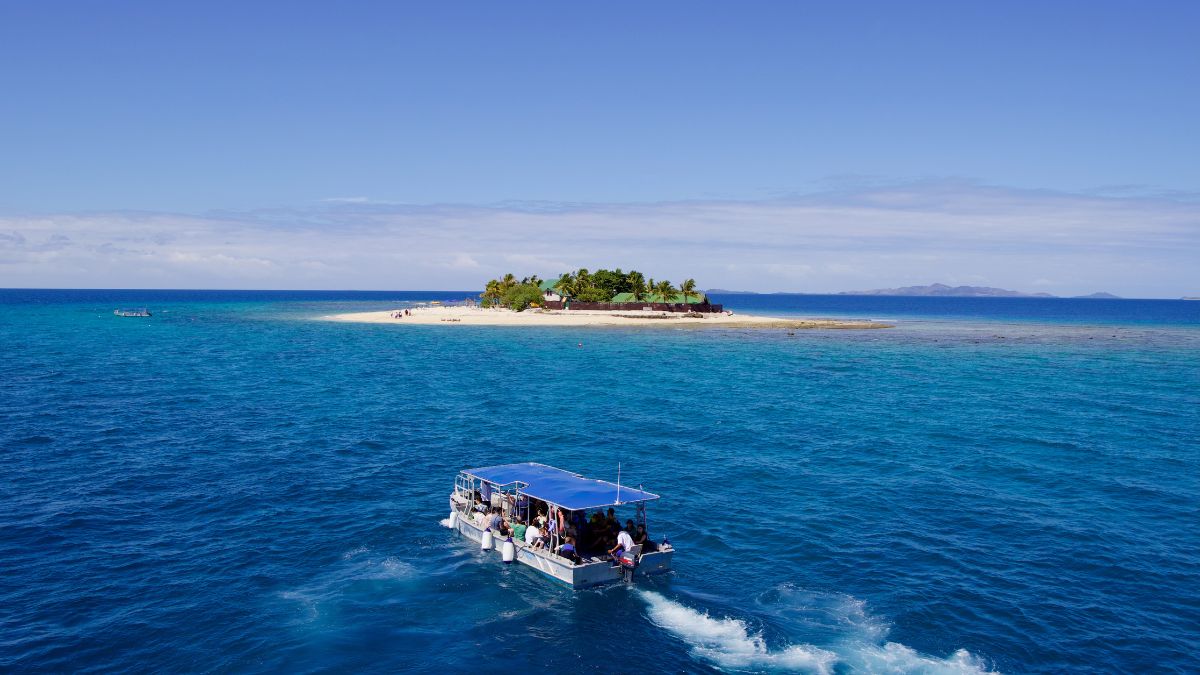
The Stockholm Archipelago contains around 30,000 islands and is one of Europe’s largest archipelagos. The west coast features the Gothenburg Archipelago, known for fishing communities and marine reserves. Northern regions have rugged island clusters shaped by colder climates. These archipelagos are key travel destinations, wildlife habitats, and cultural zones.
Countries With High Island Counts
Finland ranks second with over 188,000 islands across coastal and lake regions. Norway has thousands of fjord islands created by dramatic glacial erosion. Canada features Arctic islands, lake islands, and large landmasses such as Baffin Island. These nations share similar cold-region glacial landscapes that produce extensive island systems.
Largest Islands in Sweden
Gotland is Sweden’s largest island, known for limestone formations, medieval sites, and agriculture. Öland comes next, linked to the mainland by a bridge and known for grasslands and UNESCO sites. Orust is another major island, supporting fishing industries and small towns. These islands have permanent populations and strong regional economies.
Interesting Facts About Islands
1. Sweden Has the Highest Island Count
Sweden’s 221,800+ islands make it the global leader. Data comes from precise geographic surveys that map even tiny landforms. These islands form natural barriers, tourist spots, and protected marine areas.
2. Most Swedish Islands Are Uninhabited
Fewer than 1,000 islands have residents. The rest remain natural landscapes with forests, rocks, and wildlife. This creates vast untouched coastlines that attract eco-tourism and research.
3. Finland Follows Closely in Island Numbers
Finland has more than 188,000 islands spread across lakes, rivers, and coastal waters. This makes it the second-highest country globally. Many islands lie in the Finnish Lakeland, a region with thousands of waterbodies.
4. Glaciers Created Most Northern Hemisphere Islands
Cold-region islands in Sweden, Finland, Norway, and Canada formed due to glacial erosion. This process shaped coastlines into narrow channels, bays, and island clusters. These glacial landscapes remain stable but constantly change with rising sea levels.
5. Largest Island on Earth
Greenland is the world’s largest island. It is surrounded by the Arctic and Atlantic Oceans. Its ice sheet influences global climate systems, ocean currents, and sea-level patterns. Greenland is larger than most countries and remains sparsely populated.
Read more: Which Country Has the Most Himalayan Peaks?
Sweden has the most islands in the world, with more than 221,800 islands identified. These islands developed through glacial processes, forming one of the world’s richest archipelago systems. Keep reading for more topics like this.

Jasreet Kaur is a journalist with over 3 years of experience in digital media and news content creation. She specializes in covering Trending News, including major National and International developments, with a focus on delivering accurate, engaging, and reader-friendly stories. Prior to this, she worked with Zee News as a Content Writer, where she gained extensive experience in news reporting and content strategy. Driven by curiosity, credibility, and a passion for impactful journalism, Jasreet aims to contribute to informed public discourse while supporting positive growth in organizations, society, and the world.


-1789976812962_t.webp)