Weird Animals Quiz 2026: Can You Identify the World’s Strangest Creatures?
Take this weird animals quiz and test your knowledge of the world’s strangest creatures, from the axolotl and blobfish to the platypus and aye-aye.
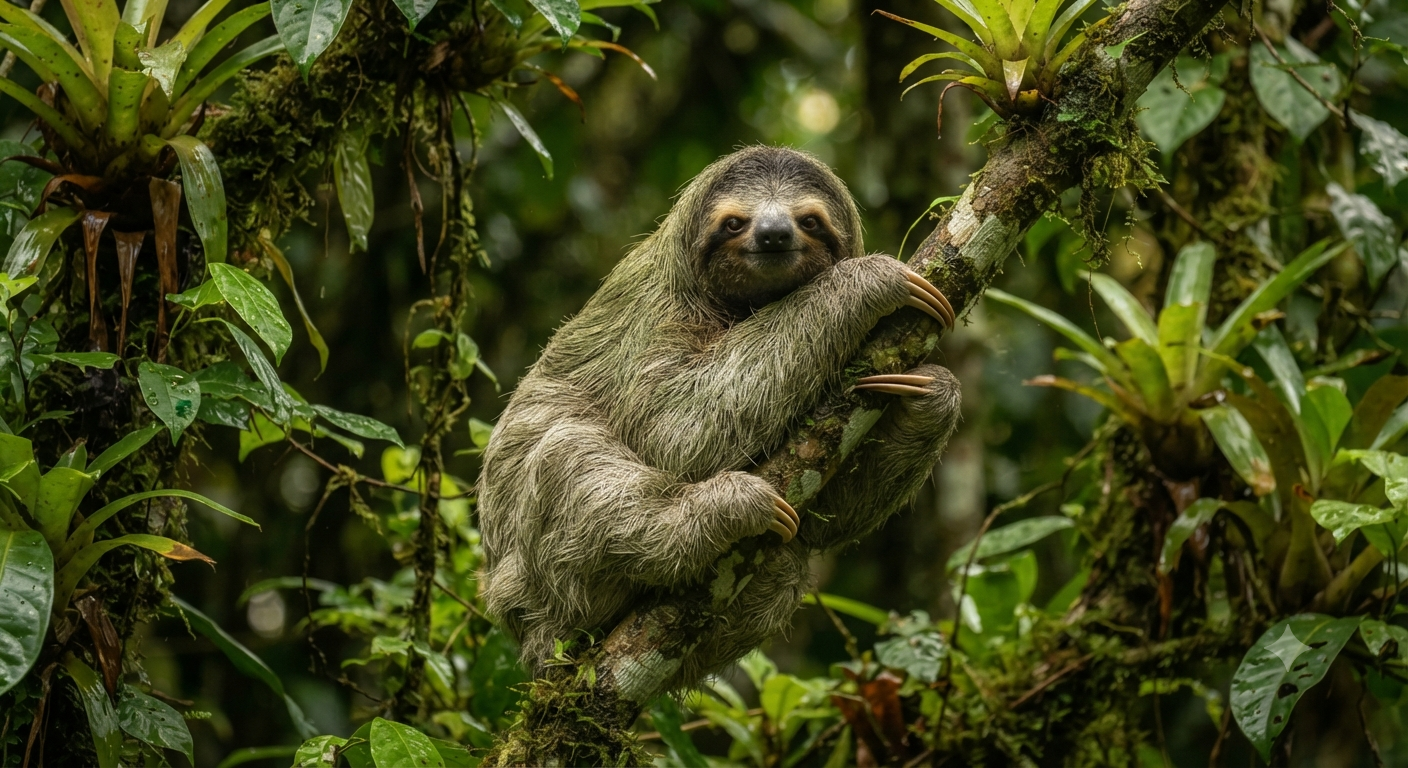
The animal kingdom is full of creatures that look, behave and survive in ways that may seem unbelievable. From mammals that lay eggs to deep-sea fish with unusual bodies and animals that can regrow lost limbs, nature has created some truly extraordinary species. Some of these animals have strange physical features, while others use unique abilities to survive in their habitats. The axolotl, platypus, narwhal and aye-aye are just a few examples of creatures that continue to fascinate scientists and wildlife enthusiasts. How well do you know these unusual animals? Take this 10-question quiz on the weirdest animals in the world and test your knowledge.
Weird Animals Quiz: 10 Questions and Answers
Try answering the following questions before checking the correct answers and explanations.
Question 1: Which unusual animal is a salamander that retains its feathery external gills into adulthood?
A. Axolotl
B. Aye-aye
C. Naked mole-rat
D. Pangolin
Answer: A. Axolotl
The axolotl is an amphibian native to Mexico. Unlike most salamanders, it retains juvenile features, including external gills, throughout its life in water. It is also known for its remarkable ability to regenerate body parts, including limbs and certain tissues.
Question 2: Which mammal lays eggs instead of giving birth to live young?
A. Koala
B. Platypus
C. Otter
D. Sloth
Answer: B. Platypus
The platypus is one of the few living mammals that lay eggs. It is native to Australia and has a duck-like bill, webbed feet and a body adapted for swimming. Egg-laying mammals are known as monotremes.
Question 3: Which animal uses a long, thin middle finger to find insect larvae inside wood?
A. Tarsier
B. Slow loris
C. Aye-aye
D. Tree shrew
Answer: C. Aye-aye
The aye-aye is a nocturnal lemur found in Madagascar. It taps on tree trunks to locate insect larvae and uses its elongated middle finger to extract them from wood. This specialised feeding technique helps it find food hidden inside trees.
Question 4: What is the famous spiral tusk of a narwhal actually made from?
A. A modified horn
B. A bone extension
C. A hardened fin ray
D. An elongated tooth
Answer: D. An elongated tooth
The narwhal’s famous tusk is an enlarged canine tooth, usually growing from the left side of its upper jaw. This tooth can grow several metres long and is mainly found in male narwhals, although some females also have tusks.
Question 5: Which animal has a nose surrounded by 22 fleshy appendages that help it sense its surroundings?
A. Star-nosed mole
B. Saiga antelope
C. Proboscis monkey
D. Elephant shrew
Answer: A. Star-nosed mole
The star-nosed mole has 22 fleshy appendages around its nose. These highly sensitive structures help it identify food and explore its surroundings. It is considered one of the fastest foragers among mammals.
Question 6: Which deep-sea fish is famous for its gelatinous appearance when brought to the surface?
A. Sunfish
B. Blobfish
C. Lionfish
D. Pufferfish
Answer: B. Blobfish
The blobfish lives in deep ocean waters where pressure is extremely high. Its soft body is adapted to this environment. When brought to the surface, the pressure difference causes its body to lose its usual shape, giving it the familiar droopy appearance seen in photographs.
Question 7: Which of these animals are mammals that lay eggs? Select all correct answers.
A. Platypus
B. Echidna
C. Kangaroo
D. Dolphin
Answers: A. Platypus and B. Echidna
Platypuses and echidnas are monotremes, a small group of mammals that reproduce by laying eggs. Unlike most mammals, they do not give birth to live young. Kangaroos are marsupials, while dolphins are placental mammals.
Question 8: True or False? A pangolin’s protective scales are made of keratin, the same protein found in human hair and nails.
Answer: True
Pangolin scales are made of keratin, a tough structural protein also found in human hair and nails. These scales provide protection, and pangolins can curl into a ball when threatened by predators.
Question 9: True or False? The blobfish naturally has the same sagging, gelatinous appearance at the bottom of the ocean as it does in photographs taken at the surface.
Answer: False
The blobfish’s familiar sagging appearance is largely the result of being brought to the surface from its deep-sea habitat. Under high ocean pressure, its body maintains a different shape, and the change in pressure affects its appearance.
Question 10: Which bird’s chicks have small claws on their wings that help them climb through vegetation?
A. Flamingo
B. Kingfisher
C. Hoatzin
D. Albatross
Answer: C. Hoatzin
The hoatzin is a bird found in the Amazon and Orinoco regions of South America. Its chicks have small claws on their wings, which help them climb through branches and vegetation. This unusual feature is especially useful when they move through their forest habitat.

Jasreet Kaur is a journalist with over 3 years of experience in digital media and news content creation. She specializes in covering Trending News, including major National and International developments, with a focus on delivering accurate, engaging, and reader-friendly stories. Prior to this, she worked with Zee News as a Content Writer, where she gained extensive experience in news reporting and content strategy. Driven by curiosity, credibility, and a passion for impactful journalism, Jasreet aims to contribute to informed public discourse while supporting positive growth in organizations, society, and the world.