What Is The 25% US Tariff on India? What Will Become Costlier, Cheaper and Remain Unchanged?
The US has proposed tariffs of up to 25% on Indian goods, with a possible reduction to 17% under a bilateral trade agreement. Find out which products could become more expensive, cheaper or remain unaffected if the proposal is implemented.
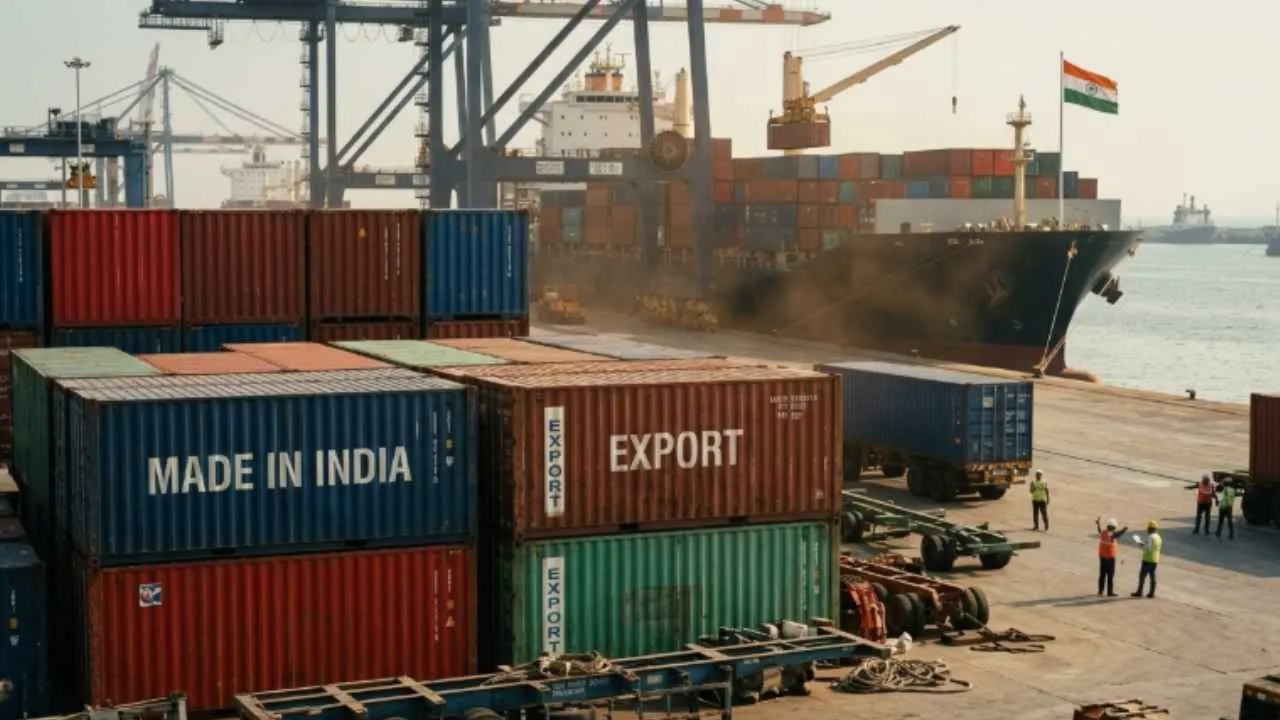
The 25% US Tariff on India: According to reports, if the proposed tariffs are implemented in India, several things could become significantly more expensive at the ground level. If the proposed tariffs hit the 25% slab, the business ecosystem is likely to take a major hit.
This could affect Indian exporters, businesses and consumers in different ways. On November 25, 2026, the United States proposed a 25% tariff on Indian imports. But there is a major catch in Washington's entire stance towards India.
Washington came up with a proposal stating that the rate could be reduced to 17% if both countries finalise a bilateral trade agreement.
However, the proposal is not yet final, and the duties are not currently in effect. The US has opened a public consultation process until January 5, 2027.
The hearings are scheduled to begin later in the month, from January 25. Until negotiations conclude, the impact on prices will remain uncertain.
Until then, let's see what could happen if the tariffs go up to 25% under adverse scenarios.
What Will Become More Expensive?
If the proposed 25% US tariffs come into effect, several Indian export-oriented industries could face higher costs and reduced demand. Also on the other hand, weaker rupee or possible retaliatory measures could make certain imported products more expensive for Indian consumers.
List of Items That Could Become More Expensive
| Category | Items That Could Become More Expensive | Reason |
| Textiles & Apparel | Cotton garments, readymade clothes, bedsheets, towels | Higher US import tariffs could increase costs for Indian exporters. |
| Gems & Jewellery | Gold jewellery, diamond jewellery, cut and polished diamonds | Higher duties could reduce demand from US buyers. |
| Seafood | Frozen shrimp, prawns and processed seafood | Higher export costs could affect Indian seafood businesses. |
| Solar Equipment | Solar panels, photovoltaic cells and components | Indian manufacturers could face higher costs in the US market. |
| Automobile Industry | Auto components, vehicle parts and engineering goods | Export competitiveness could decline. |
| Chemicals | Specialty chemicals and industrial chemicals | Higher tariffs could make Indian products costlier for US importers. |
| Electronics | Imported laptops, computers and electronic components | A weaker rupee could increase import costs. |
| Fuel | Crude oil, petrol and diesel | Rupee depreciation could raise India's oil import bill. |
| International Travel | Overseas flights, accommodation and foreign currency expenses | A weaker rupee could increase foreign travel costs. |
| Education | US university tuition fees and overseas living expenses | Dollar-denominated expenses could become costlier. |
| Agriculture | American almonds, walnuts and apples | Could become expensive if India introduces retaliatory tariffs. |
| Industrial Goods | Imported American machinery and technology equipment | Potential counter-tariffs could increase import costs. |
List of Things That Will Likely Remain Unaffected
The proposed US tariffs will not affect every industry or product. Several major Indian exports are exempt from the proposed tariff framework, while services and domestically traded products are not directly covered.
| Category | Products/Services | Expected Impact |
| Pharmaceuticals | Generic medicines | Exempt from the proposed tariff framework. |
| Electronics | Smartphones | Exempt from the proposed tariffs. |
| IT Services | Software development, IT consulting and outsourcing | Not directly covered by merchandise tariffs. |
| Digital Services | Online services, digital subscriptions and cloud services | Not directly covered by the proposed goods tariffs. |
| Domestic Agriculture | Rice, wheat, pulses and vegetables | No direct tariff impact on domestic sales. |
| Domestic Manufacturing | Products manufactured and sold within India | No automatic tariff-related price increase. |
| Domestic Banking | Banking and financial services | Not directly affected by import tariffs. |
| Telecom Services | Mobile networks and internet services | No direct impact from the proposed merchandise tariffs. |
Note: These categories are not necessarily immune to indirect economic effects. Currency fluctuations, supply-chain disruptions and changes in trade policy could still influence their costs and prices.

Aishwarya Samant is a journalist with over 4 years of experience navigating the fast-paced corporate media landscape. She specializes in decoding business news, world economy, personal finance, and stock market trends, often adding a subtle touch of political perspective to keep things interesting.
Having worked with reputed organizations like ZEE, TV9, News24, and NewsX, she is no stranger to the newsroom hustle and the demands of real-time storytelling. Her writing style is fast-paced, engaging, and crafted to connect seamlessly with diverse audiences across platforms. She approaches every story from the reader’s point of view, breaking down complex topics into clear, relatable narratives backed by solid facts and credible sources. While she’s confident in expressing strong viewpoints, she ensures balance with insights. Sharp, fact-driven content that informs, engages, and keeps readers coming back for more.