What Is VB-G RAM G? Full Form, Meaning, Benefits & Impact on Rural India
The VB-G RAM G Bill, 2025 has been passed by the Parliament and has received assent of the President to become and Act. Learn the full form of VB-G RAM G along with a detailed explanation of what it is VB-G RAM G, differences from MGNREGA, benefits, concerns, and how it may impact rural development in India. This is a simple explanation to let the readers and students understand the basics of the scheme.
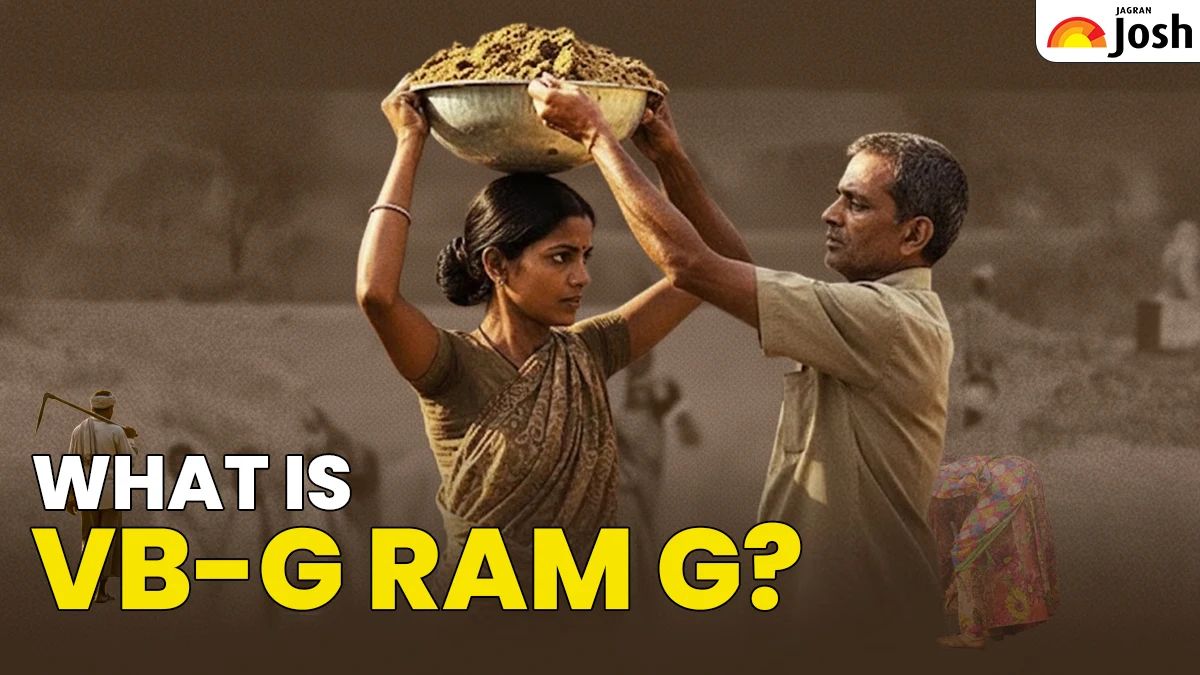
In India, the government introduces new laws to improve and ease people’s lives, especially in rural areas where millions depend on daily work for livelihood. VB-G RAM G, a legislation aiming to replace an earlier employment guarantee program (MGNREGA), is among the most recent advancements. This term is becoming more common among citizens, employees, and students, although many may not understand its meaning or significance.
Therefore, it is imperative to understand the VB-G RAM G full form, its meaning, differences from MGNREGA, development in rural economy, and advantages. This will help in building knowledge about rural employment policy and how such initiatives can shape India’s future.
What is the Full Form of VB-G RAM G?
The VB-G RAM G is a new scheme which is being proposed by the Union Government to replace the MGNREGA. The full form of VB-G RAM G is:
V – Viksit
B – Bharat
G – Guarantee for
R – Rozgar (Employment) and
A – Ajeevika (Livelihood)
M – Mission
G – Gramin (Rural)
VB-G RAM G is a law with the objective of strengthening rural employment, livelihoods, and infrastructure.
What is VB-G RAM G?
VB-G RAM G is the new legislation which is being proposed by the Union government to replace the earlier Mahatma Gandhi National Rural Employment Guarantee Act (MGNREGA).
Under this new law, the rural households whose adult members volunteer for unskilled manual work are expected to receive a legal guarantee of up to 125 days of wage employment per financial year.
As part of its larger objective, VB-G RAM G emphasizes on employment, rural infrastructure, livelihood assets, and development, in contrast to MGNREGA that was solely wage-based.
Why Was VB-G RAM G Introduced?
MGNREGA has provided employment to over millions of people in rural India over the two decades. The rural conditions in today’s times have evolved due to development in infrastructure, access to digital connectivity, and a more diverse rural economy. This has motivated the government to suggest a more contemporary, integrated framework for employment and development.
The new initiative is designed to support:
-
Higher guaranteed workdays (125 days instead of 100)
-
Creation of durable rural assets like water systems and roads
-
Stronger rural infrastructure and livelihood support
-
Alignment with national development goals for a developed India by 2047.
Difference Between VB-G RAM G and MGNREGA
VB-G RAM G differs from the earlier MGNREGA in several ways:
-
Employment Guarantee Days: The annual working days have been increased from 100 to 125.
-
Prioritize assets and livelihood: VB-G RAM G scheme will also help in developing rural infrastructure, including roads, storage facilities, water security systems, and more, in addition to providing employment.
-
Planning and Execution: All the work must originate from the Viksit Gram Panchayat Plans which will be executed in a bottom to top approach.
-
Funding Structure: Unlike the funding in MGNREGA, where 100% funding comes from the Central government, the funding under VB-G RAM G will divide the financial burden between states and the union in the following manner:
- 90:10 (Centre:State) for Northeastern States, Himalayan States, and UTs with legislature (Uttarakhand, Himachal Pradesh, J&K)
- 60:40 for all other States and UTs with legislature
- 100% Central funding for UTs without legislature
What are the Uses of VB-G RAM G in Rural Life?
The VB-G RAM G framework is expected to affect rural life in several key ways:
-
VB-G RAM G scheme is expected to provide increased rural employment opportunities and more income days.
-
Helping in building the infrastructure will automatically help the local businesses and rural economy.
-
The increased number of days and engagement of youth, women, and laborers will help them gain skills and impart them with income generation opportunities.
-
With improved facilities in the rural areas due to increased infrastructure building, will help in preventing rural migration.
How Does VB-G RAM G Help Rural Development?
VB-G RAM G is a scheme which proposes rural development along with employment by:
-
Creating infrastructure that improves water security and connectivity.
-
Promoting livelihood infrastructure like markets and warehouses, which will benefit the farmers and local businesses.
-
Integrating rural plans with national development priorities to ensure long-term impact.
Such changes aim to make rural areas more economically resilient and productive.
VB G RAM G Bill 2025
The VB-G RAM G Bill 2025 was introduced in the Lok Sabha on 16th December 2025 and was passed in the House on 18th December 2025 and on the same day it was passed by the Rajya Sabha also. As per the Constitution, if a bill is passed in both the Houses of the Parliament then it is being sent to the President for assent. Only after the President gives his/her assent, the Bill stands to become an Act. As per PIB, the President of India has given assent to the Viksit Bharat-Guarantee for Rozgar and Ajeevika Mission (Gramin) (VB-G RAM G) Bill, 2025 marking a significant milestone in the transformation of rural employment policy.
The Key Features of the VB-G RAM G Bill are:
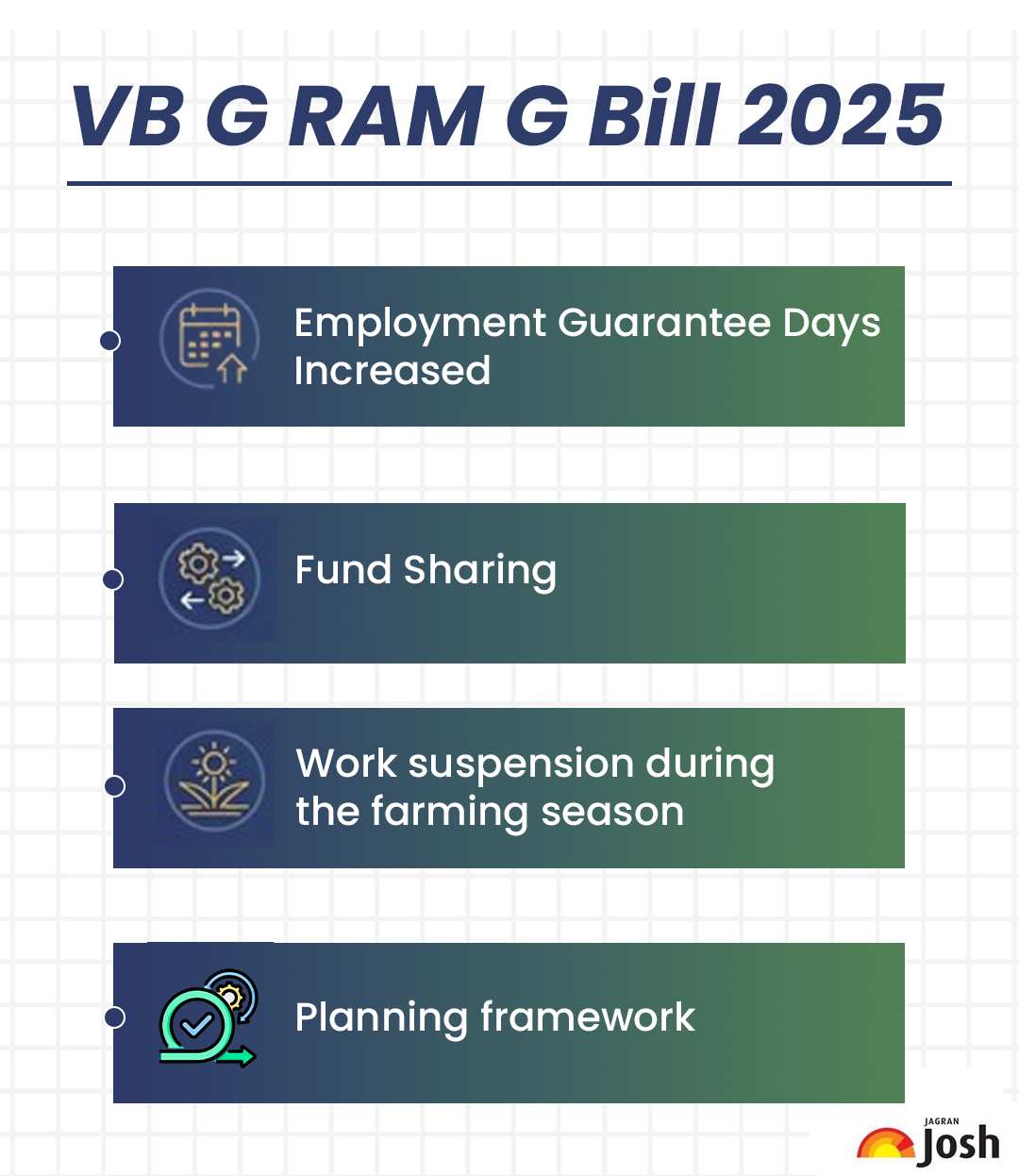
- Employment Guarantee Days Increased: In the MGNREGA scheme, the guaranteed number of employment days were 100 only which has been increased to 125 in the VB-G RAM G scheme.
- Fund Sharing: Previously, the Central Government was fully funding the MGNREGA scheme (100% funding). Now the VB-G RAM G has been amended by the Bill, which stipulates that the scheme would be carried out as a centrally supported program. Within six months of the Bill's launch, state governments will announce a plan that complies with it.
- Work suspension during the farming season: According to the bill, state governments must declare up to 60 days in advance of each fiscal year that no work will be done under the scheme. Peak agricultural seasons, including planting and harvesting, will fall within this time frame.
- Planning framework: Under MGNREGA, the Gram Panchayats were responsible for identifying the projects in their area. They were also responsible for implementation and monitoring. The VB-G RAM G Bill retain this framework and also require them to plan for projects such as:
- Water Security
- Rural Infrastructure
- Livelihood-related infrastructure
- Mitigation of extreme weather events
Another Key Features mentioned by the PIB are:
- Balanced Provision for Agriculture and Rural Labour:
- To facilitate adequate availability of agricultural labour during peak sowing and harvesting seasons, the Act empowers States to notify an aggregated pause period aggregating to sixty days in a financial year (Section 6).
- The full 125-day employment guarantee remains intact, to be provided during the remaining period, ensuring a calibrated balance that supports both agricultural productivity and worker security.
- Strengthened Administrative Capacity:
- The administrative expenditure ceiling has been enhanced from 6% to 9%, enabling improved staffing, training, technical capacity and field-level support, and strengthening the ability of institutions to deliver outcomes effectively.

Upasna is an education journalist and subject matter expert with an extensive background in the competitive exam landscape. Currently contributing to the Exam Prep Section of Jagran Josh, Upasna specializes in creating well-researched, aspirant-centric content and simplifying complex topics for competitive examinations. Her academic expertise, coupled with her own firsthand experience preparing for the UPSC Civil Services Examination, helps her provide strategic preparation insights and a comprehensive perspective to aspirants. She holds a Master's degree in Forensic Chemical Sciences. Apart from delivering valuable exam resources, Upasna is a passionate communications professional who also enjoys reading and writing.