
Backbone of Indian Agriculture: Rice is called the Backbone of Indian Agriculture because it is India’s most important food crop, supports millions of farmers, ensures national food security, and plays a key role in rural livelihoods, government food schemes, and agricultural stability. Its cultivation spreads across the country, making it central to India’s farming system.
Why Rice Is Called the Backbone of Indian Agriculture?
Rice earns this title due to its unmatched importance in India’s economy and daily life. It forms the dietary base for a majority of Indians and provides steady income to farmers in both irrigated and rain-fed regions. From small marginal farmers to large-scale producers, rice cultivation sustains agricultural activity across seasons.
Importance of Rice in Indian Farming
Rice is grown in almost all states of India, covering a large share of cultivated land. It adapts well to different agro-climatic conditions, including river basins, coastal plains, deltas, and monsoon-dependent regions. This wide adaptability makes rice a dependable crop for farmers and a stabilising force in Indian agriculture.
Largest Producer of Rice in India
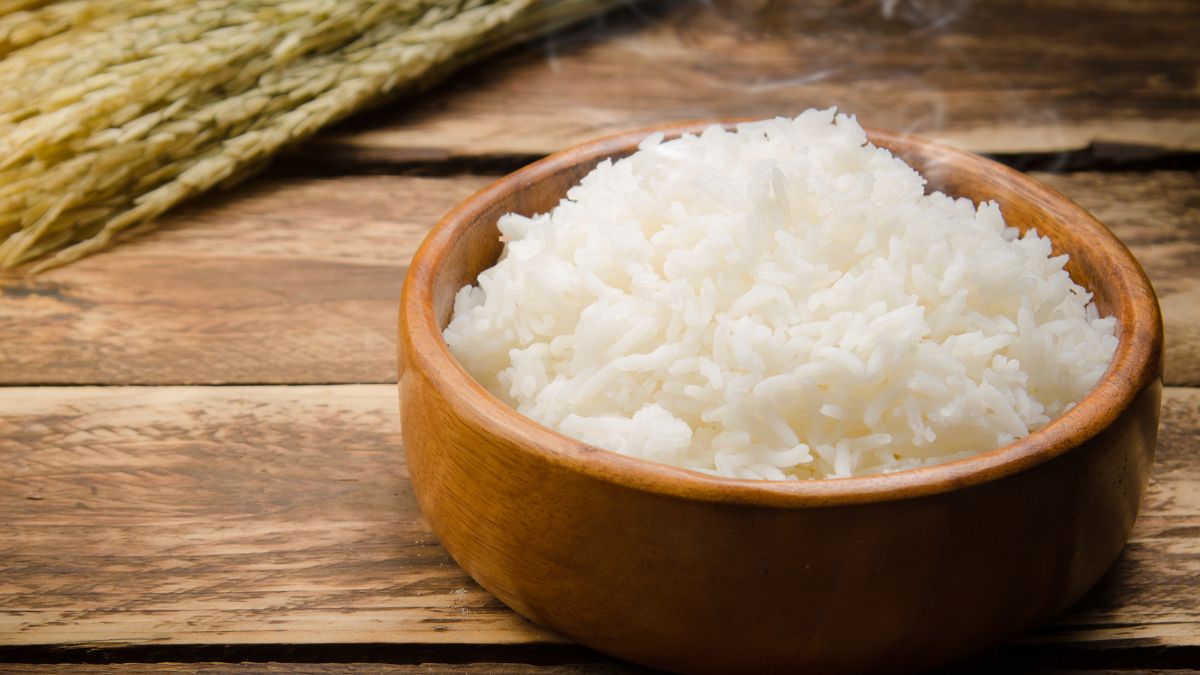
West Bengal is the largest producer of rice in India, contributing the highest share to total production. The state benefits from fertile alluvial soil, abundant rainfall, and extensive river systems. Other major rice-producing states include Uttar Pradesh, Punjab, Andhra Pradesh, Telangana, Odisha, Bihar, and Chhattisgarh, all of which play a crucial role in national food supply.
Largest Producer of Rice in the World
China is the largest producer of rice in the world, followed closely by India. Together, these two countries account for a major portion of global rice production. Their large populations, suitable climates, and advanced farming practices contribute to their dominant position in the world rice market.
Read more: Which Country is the Largest Producer of Rice in the World?
India as the Largest Exporter of Rice
India is the largest exporter of rice in the world, exporting both basmati and non-basmati rice. Indian rice is in high demand due to its quality, aroma, and competitive pricing. Major export destinations include countries in Asia, Africa, the Middle East, and Europe, earning significant foreign exchange for the country.
Role of Rice in Food Security
Rice is the backbone of India’s food security system. It is a key component of the Public Distribution System (PDS) and government welfare schemes such as mid-day meals and food assistance programs. Affordable rice availability helps ensure nutrition and food access for millions of people, especially low-income households.
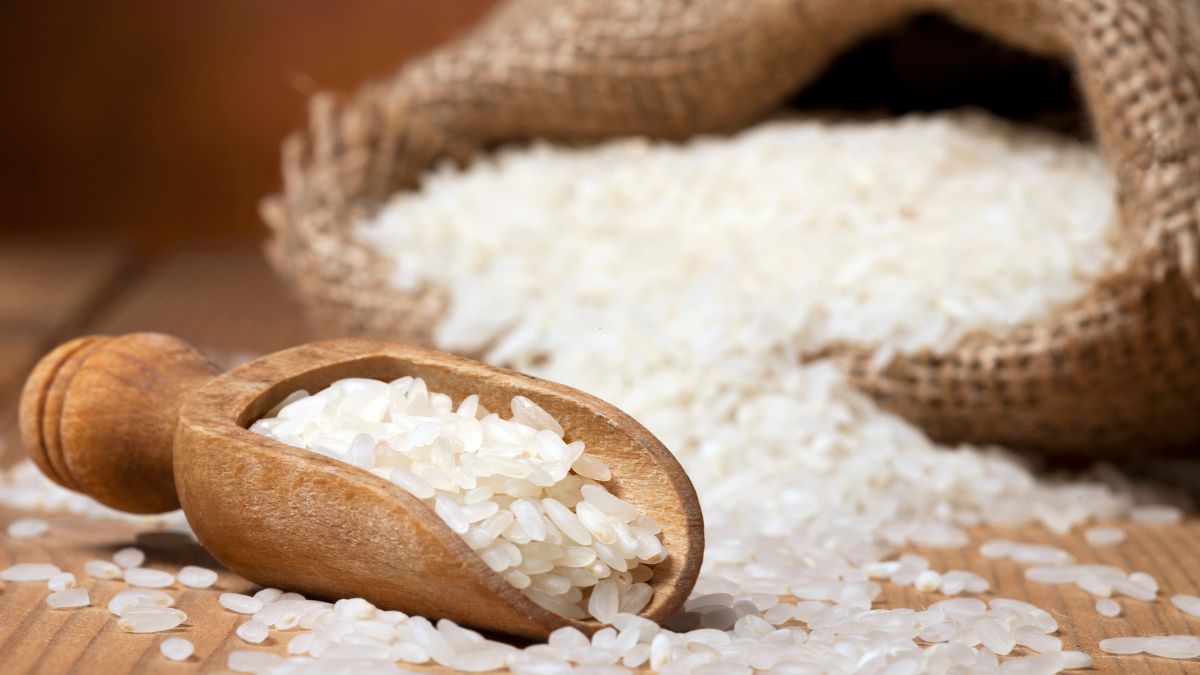
5 Most Expensive Rice Varieties
1.Basmati 1121 (India): Known as one of the longest grains in the world, it is prized for its aroma and fluffiness, making it expensive globally.
2.Yamada Nishiki (Japan): This premium Japanese rice is mainly used in sake production and is valued for its high starch content.
3.Doongara (Australia): A rare Australian variety, it is considered luxurious due to its rich flavour and limited production.
4.Koshihikari (Japan): Highly sought after in Japanese cuisine, this rice is soft, sticky, and aromatic, making it costly in markets worldwide.
5.Forbidden Rice (China): Also called black rice, it is prised for its nutritional benefits and unique dark colour, often sold at a premium price.
Interesting Facts About Rice
Staple Food for a Large Population
Rice is the primary staple food for more than half of India’s population, especially in eastern, southern, and northeastern states, making it central to daily nutrition.
Cultivated in Diverse Conditions
Rice can grow in flooded fields, rain-fed uplands, and irrigated plains, showing its remarkable adaptability to different farming environments.
Cultural and Religious Significance
Rice is deeply rooted in Indian culture and is used in festivals, weddings and religious rituals as a symbol of prosperity, fertility and abundance.
Supports Agricultural Stability
Rice production often remains stable even during economic or global crises, helping maintain food supply and price balance in the country.
Read more: Which Crop Is Called the White Gold of India?
Rice is called the Backbone of Indian Agriculture. Through high production and exports, rice strengthens India’s role as a key player in global food security and agricultural trade. Keep reading for such topics.





Comments
All Comments (0)
Join the conversation