Which Is The Largest River In The World?
Largest River in the World: The Amazon River in South America is the world's largest river by discharge volume, flowing an astonishing approx. 215,000 cubic metres of water per second into the Atlantic Ocean. While the Nile River (approx. 6,650 km) is often cited as the longest, the Amazon (approx. 6,992 km by some measurements) holds the undisputed title for the most water.
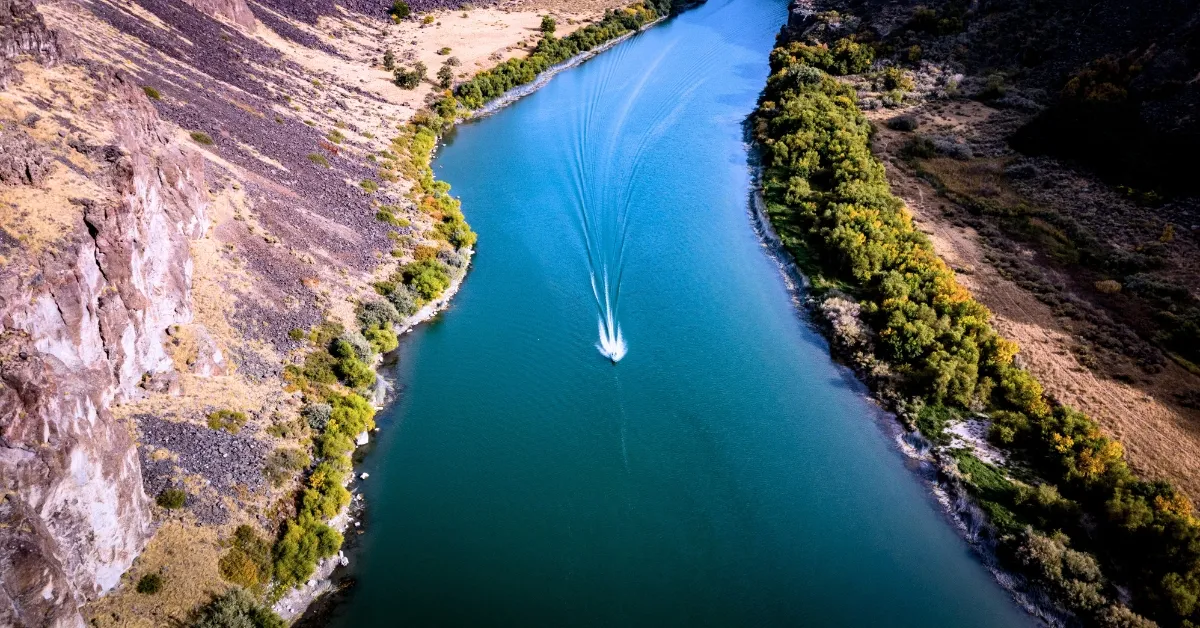
Rivers are the lifeblood of our planet. They are essential for all life, providing fresh drinking water, supporting vast ecosystems, and serving as crucial routes for transport and trade. These flowing bodies of water have shaped human civilisation for thousands of years. While no exact count exists, estimates suggest there are over three million rivers across the world, ranging from tiny streams to mighty torrents. Among these are giants like the Nile River, often cited as the world's longest, and the Congo River, which holds the record as the world's deepest. Do you know which river is the largest in the world by the sheer volume of water it carries? It is so massive that it discharges more water into the ocean than the next seven largest rivers combined. It also forms the world's largest drainage basin, covering almost 40% of its continent. In this article, we'll take a look at the answer and the fascinating facts behind the world's largest river.
List of Largest Rivers in the World by Water Discharge
Rivers are primarily ranked by discharge, which is the volume of water flowing past a specific point per unit of time, typically measured in cubic metres per second (m³/s). The largest river in the world by discharge volume is the Amazon River. It moves a greater volume of water than the next seven largest independent rivers combined. Here's a table of the world's largest rivers based on average annual discharge:
| Rank | River Name | Avg. Discharge (m³/s) | Source (Starts) | Mouth (Empties) | Countries/States Flowing Through |
| 1 | Amazon | approximately 215,000 | Andes Mountains (Peru) | Atlantic Ocean | Peru, Colombia, Brazil (and drainage basin covers parts of Ecuador, Bolivia, Venezuela, Guyana, Suriname, French Guiana) |
| 2 | Ganges-Brahmaputra-Meghna | approximately 42,800 | Himalayas (Gangotri Glacier, Chemayungdung Glacier) | Bay of Bengal | India, Bangladesh, Nepal, China, Bhutan |
| 3 | Congo | approximately 41,400 | East African Rift (Chambeshi River, Zambia) | Atlantic Ocean | Democratic Republic of the Congo, Republic of the Congo, Central African Republic, Angola, Tanzania, Zambia, Cameroon, Burundi, Rwanda |
| 4 | Orinoco | approximately 39,000 | Parima Mountains (Venezuela) | Atlantic Ocean | Venezuela, Colombia |
| 5 | Yangtze | approximately 31,900 | Tanggula Mountains (Tibet Plateau, China) | East China Sea | China |
| 6 | Río de la Plata (Paraná) | approx 27,200 | Confluence of Paraná and Uruguay rivers (Paraná proper starts at confluence of Paranaíba and Rio Grande rivers) | Atlantic Ocean | Argentina, Uruguay, Brazil, Paraguay, Bolivia |
| 7 | Mississippi | approximately 21,300 | Lake Itasca, Minnesota (USA) | Gulf of Mexico | USA (10 states), Canada (2 provinces in the drainage basin) |
| 8 | Yenisei | approximately 20,200 | Khangai Mountains (Mongolia) | Kara Sea (Arctic Ocean) | Russia, Mongolia |
| 9 | Lena | approximately 18,300 | Baikal Mountains (Russia) | Laptev Sea (Arctic Ocean) | Russia |
| 10 | St. Lawrence | approximately 17,600 | Lake Ontario (Great Lakes System) | Gulf of St. Lawrence (Atlantic Ocean) | Canada, United States (drainage basin includes US states bordering the Great Lakes) |
1. Amazon River
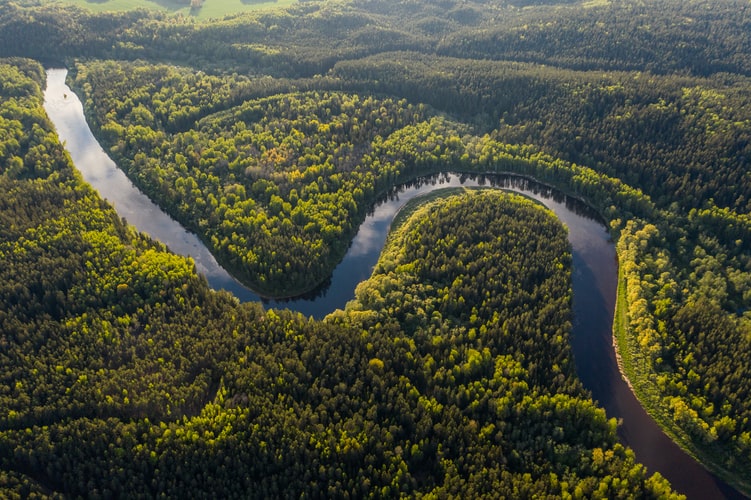
The Amazon River is undeniably the king of rivers when it comes to water volume. Originating high in the Andes Mountains of Peru, it flows eastward across the vast South American continent, primarily through Brazil, before emptying into the Atlantic Ocean. Its average discharge is an astonishing approx. 215,000 cubic meters per second, a flow so powerful it dilutes the seawater up to 100 miles offshore. The Amazon basin, often called the "River Sea", is home to the world's largest rainforest and unparalleled biodiversity.
2. Ganges-Brahmaputra-Meghna
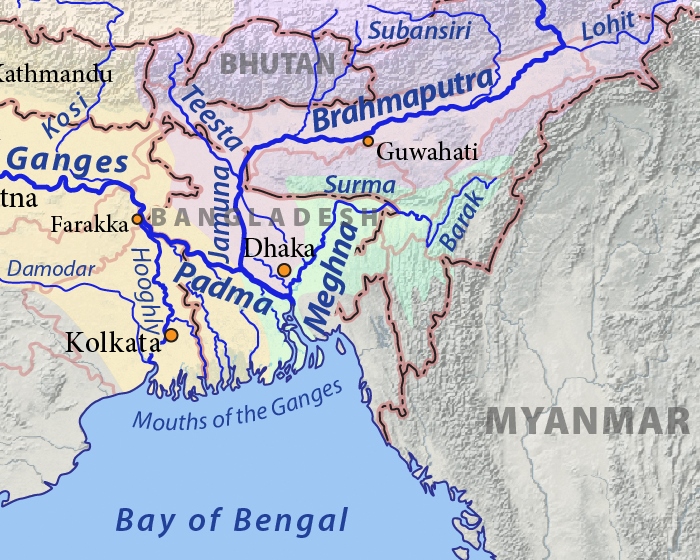
This massive river system drains an enormous basin that includes the Himalayas, Tibet, India, Nepal, and Bangladesh. The system's discharge is measured at the river's mouth in the Bay of Bengal, where the three major rivers the Ganges (Ganga), the Brahmaputra (Jamuna), and the Meghna, converge to form the world's largest delta, the Ganges Delta.
3. Congo River

Flowing through Central Africa, the Congo River, formerly known as the Zaire River, is the world's deepest river, with depths measured up to 220 metres (720 feet). It is the second-longest river in Africa, but its discharge volume is massive, ranking third globally. Its vast, consistent flow is largely due to its basin spanning both the Northern and Southern hemispheres, ensuring that at least one half is always in a rainy season.
4. Orinoco River
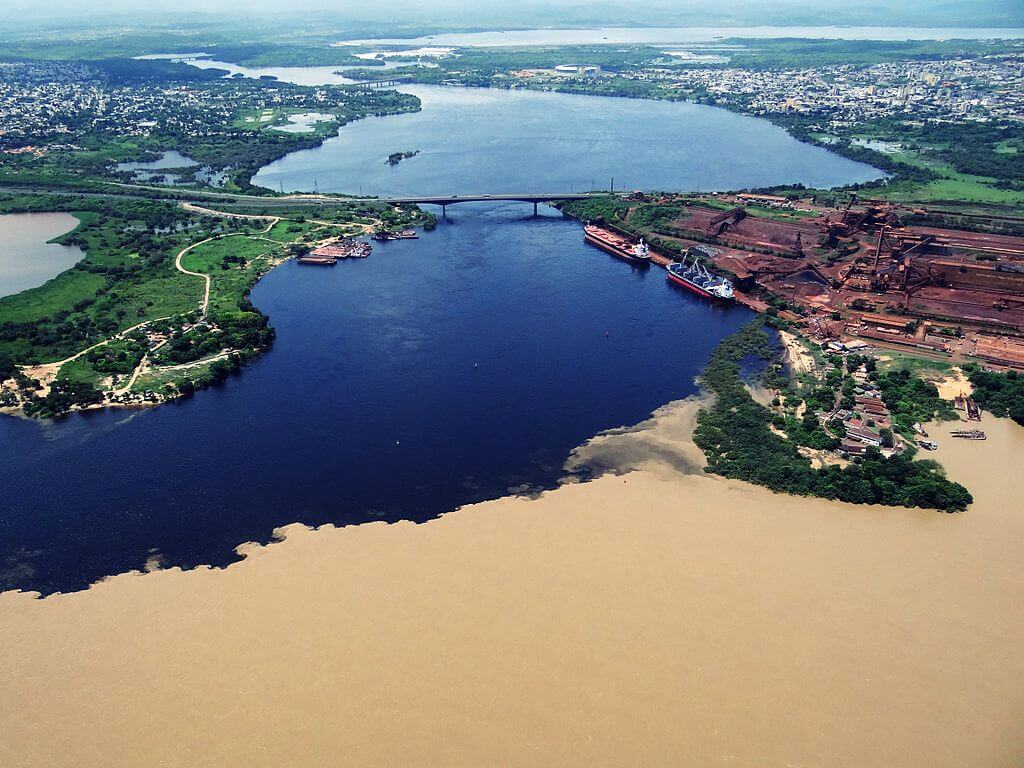
The Orinoco River is one of South America's most important rivers, primarily flowing through Venezuela and Colombia. It is known for its spectacular seasonal flooding, which swells the river to several times its dry-season width, inundating the vast tropical grasslands known as the Llanos. The high precipitation across its catchment area gives it a discharge volume that places it fourth globally.
5. Yangtze River

The Yangtze River, or Chang Jiang (Long River), is the longest river to flow entirely within one country (China) and the longest in Asia. It is incredibly vital to the Chinese economy, serving as a major transportation artery and supplying water to vast agricultural regions. Originating in the Tibetan Plateau, it runs across central China to the East China Sea.
What Is The Largest River In The World?
The Amazon River is the largest river in the world. This is based on its volume of water, or discharge, which is the amount of water flowing through it per second. The Amazon's average discharge is over 200,000 m³/s, a volume greater than the next seven largest independent rivers combined. It also boasts the world's largest drainage basin.
Which River Is Bigger, the Nile Or the Amazon?
The Amazon is bigger than the Nile. While the Nile River has traditionally been cited as the longest river (around 6,650 km), the Amazon is the largest by volume and has the largest drainage area.
What Is The Largest River In The World But Not The Longest?
The Amazon River fits this description, as it is the undisputed largest by volume, but its status as the longest is constantly debated with the Nile River. In some traditional rankings and older measurements, the Nile is classified as the longest, which makes the Amazon the largest (by volume) but not the longest (by length) by that specific criterion.

Kriti Barua is a skilled digital journalist and communications professional with 4+ years of experience, currently writing for the General Knowledge section at Jagran New Media. She has established herself as a subject matter expert in History, Geography, Trending National and International News, Sports, Science, and Defence, producing clear, reliable, and search-optimised content that connects with readers worldwide.
Kriti holds a BA degree from Delhi University and a one-year diploma in TV Production and Journalism, an academic background that adds research depth and strong storytelling instincts to her writing. Her experience spans brand writing, content marketing, and digital media, giving her a sharp understanding of what makes content both helpful to readers and visible in search.
At Jagran New Media, she applies this expertise to national and international news coverage, query-based articles, and in-depth pieces across her specialist subject areas. Her content is defined by easy language, factual accuracy, strong keyword strategy, and reader-friendly storytelling.


.jpg)



![[OUT] UPSSSC PET Admit Card 2026 LIVE: यूपी पीईटी एडमिट कार्ड जारी, upsssc.gov.in पर Direct Link](https://img.jagranjosh.com/images/2026/October/15102026/UPSSSC-PET-Admit-Card-2026.jpg)