Key Points
- Sukayu Onsen, Japan averages ~58 feet of snow annually, the most for inhabited areas.
- Mount Rainier, USA, recorded a world-record 93.5 feet of snow in 1971-1972.
- Aomori City, Japan, is the snowiest city with over 100,000 residents (~26 feet).
Snowiest places on Earth: The interaction between atmospheric moisture and steep topography, not just latitude, determines where heavy snowfall happens around the world. So, the places on Earth that get the most snow are often in temperate zones close to warm ocean currents, like Japan and North America.
Different meteorological records show that these areas are the main snow belts in the world. While Aomori City holds the distinction of being the snowiest city in the world due to intense sea-effect precipitation, high-altitude stations like Mount Rainier record the highest aggregate accumulation.This analysis ranks these locations based on verified annual snowfall data, distinguishing between major urban centers and high-altitude geographical features.
List of Snowiest Places on Earth
Here is the list of cities and countries that receive the highest snowfall in a year, along with the average snowfall:
| Rank | Snowiest Place in the World | Location | Average Annual Snowfall |
| 1 | Sukayu Onsen | Aomori, Japan | ~58 feet (17.6 m) |
| 2 | Mount Rainier (Paradise) | Washington, USA | ~53 feet (16.2 m) |
| 3 | Alyeska Resort | Alaska, USA | ~55 feet (16.7 m) |
| 4 | Niseko | Hokkaido, Japan | ~50 feet (15.2 m) |
| 5 | Shirakawa-go | Gifu, Japan | ~33 feet (10.1 m) |
| 6 | Valdez | Alaska, USA | ~27 feet (8.4 m) |
| 7 | Aomori City | Aomori, Japan | ~26 feet (7.9 m) |
Check Out: List of Animals that Hibernate the Longest on Earth
1. Sukayu Onsen, Japan
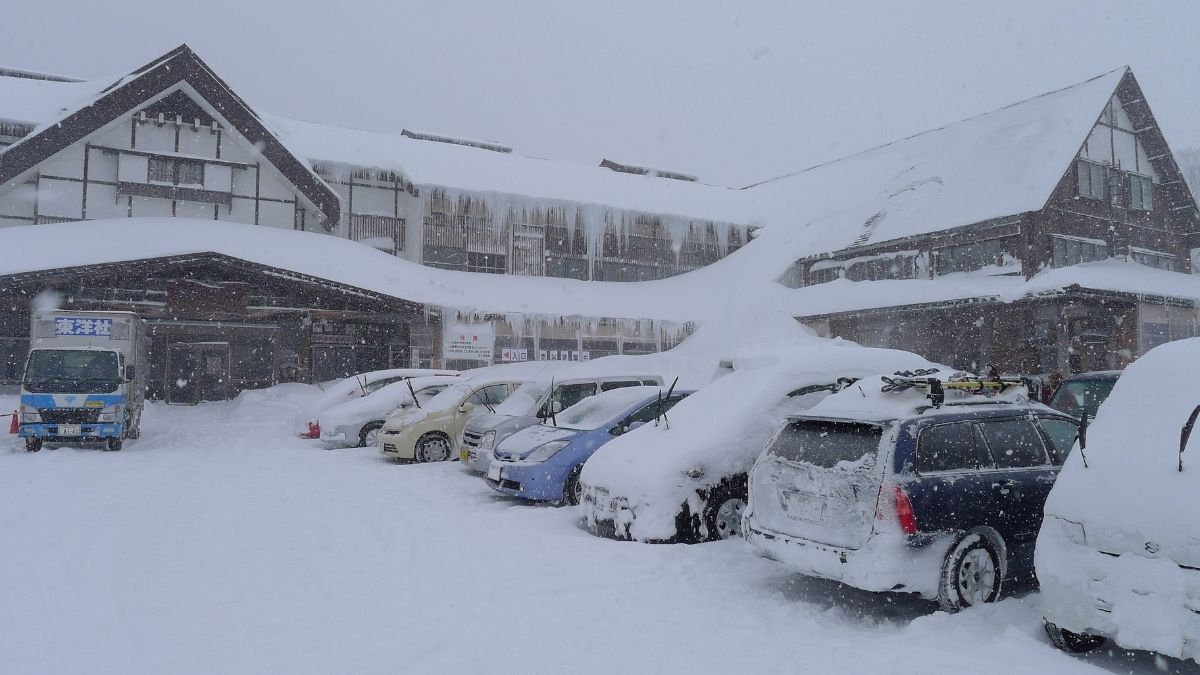
Sukayu Onsen is in the Hakkoda Mountains of Aomori Prefecture. It is known by meteorologists as the snowiest place on Earth where people live. The site records an average annual snowfall of 17.6 meters, a phenomenon driven by cold Siberian winds accumulating moisture across the Sea of Japan. These conditions cause huge snow walls to form, sometimes more than ten meters high, which have made the area a popular place for climate research.
2. Mount Rainier (Paradise), USA
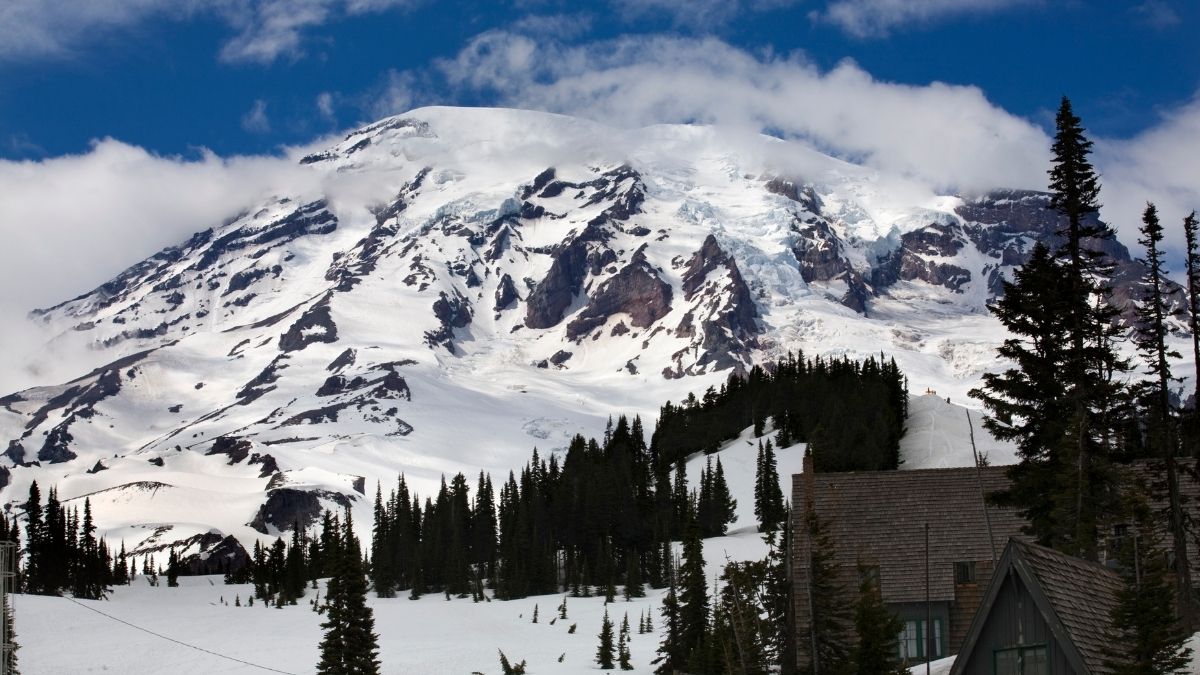
The Paradise Ranger Station on Mount Rainier serves as the primary reference point for extreme snowfall in North America. Located in the Cascade Range of Washington, this station recorded a world-record snowfall of 93.5 feet during the 1971-1972 season. The heavy precipitation is caused by the rapid cooling of moist air from the Pacific Ocean as it ascends the volcanic peak. It consistently ranks as the snowiest place in the United States where regular measurements are maintained by the National Park Service.
3. Alyeska Resort, Alaska
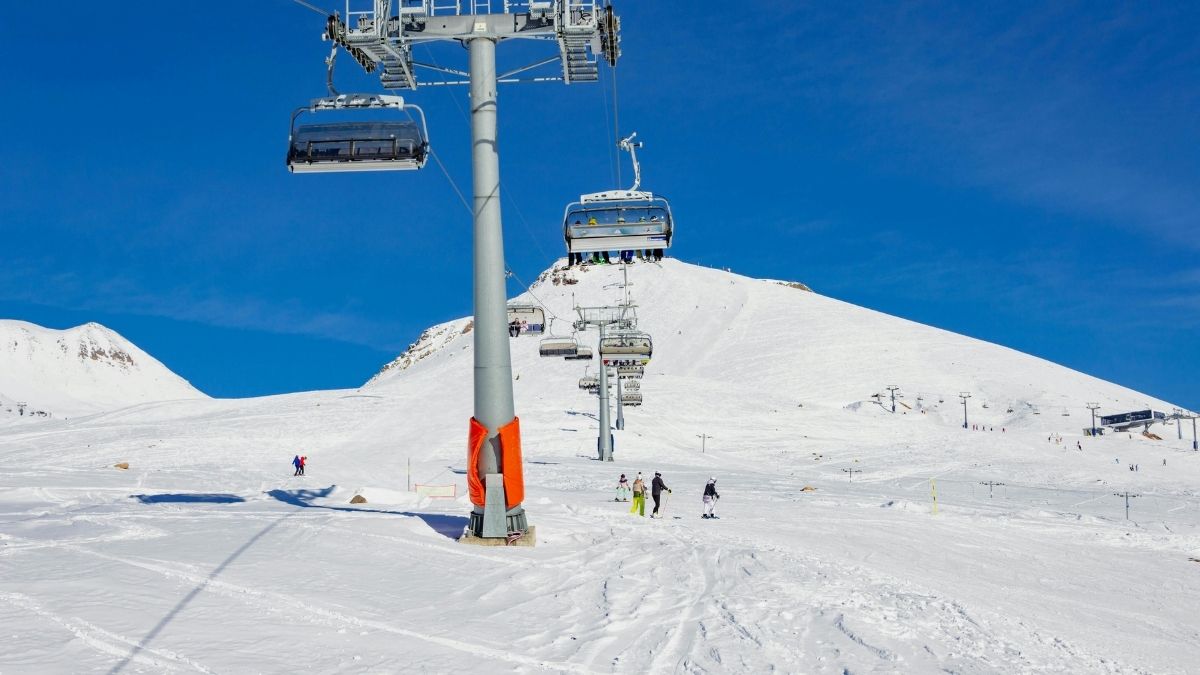
The Chugach Mountain range has very different patterns of precipitation. Alyeska Resort in Girdwood, Alaska, is a good example of this. At the top of the resort, it snows about 669 inches (55 feet) every year on average. This buildup happens because the area is close to the Gulf of Alaska, where low-pressure systems cause storms to happen often and with a lot of force. It is an important place to keep an eye on winter weather patterns in the sub-arctic region.
4. Niseko, Japan
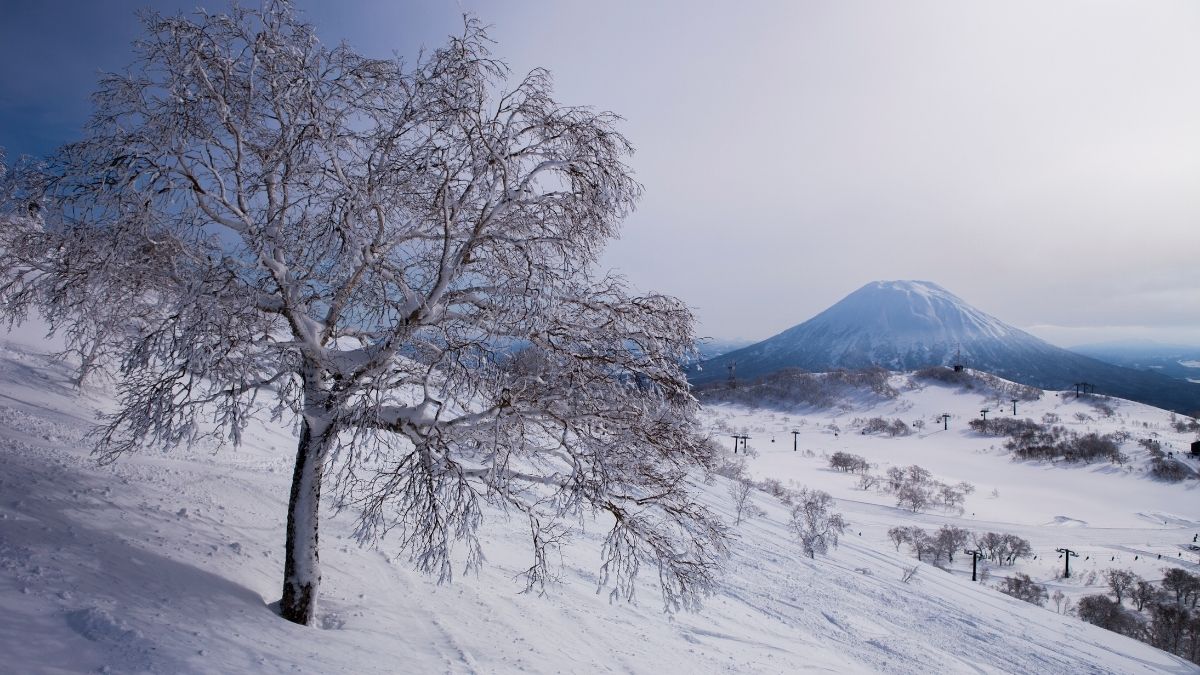
The northern island of Hokkaido is where Niseko is. It has less moisture in its snow than other places, which makes it unique. Every year, about 15 meters of snow falls in the area because cold air moves across the Sea of Japan. This interaction makes "dry" powder snow, which is very different from the heavier, wetter snow that falls in coastal ranges. The consistent accumulation has established Niseko as a critical reference point for winter precipitation in East Asia.
5. Shirakawa-go, Japan
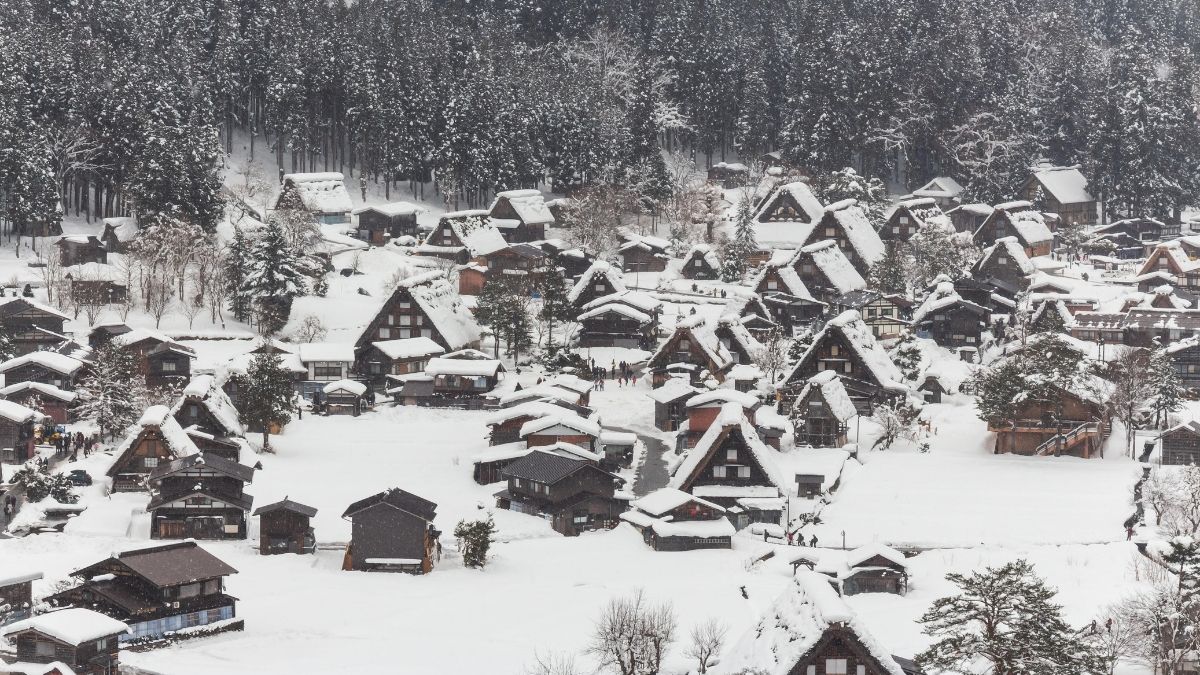
Shirakawa-go is a UNESCO World Heritage site known for its buildings, which are built to handle heavy snowfall. The village gets more than 10 meters (33 feet) of snow each year, so they built "gassho-zukuri" farmhouses with steeply thatched roofs. These buildings are designed to prevent them from falling down when the snow falls on them. The area demonstrates how human settlements have historically adapted to one of the snowiest places in the world.
6. Valdez, Alaska
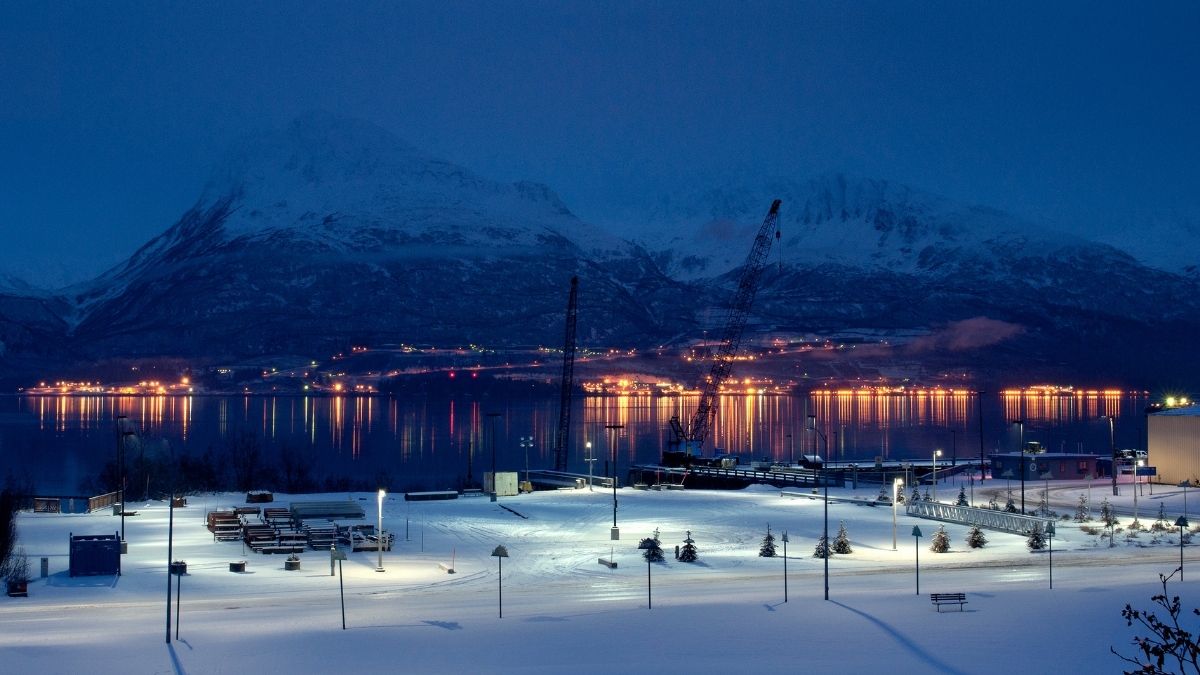
Valdez is statistically the snowiest coastal town in the United States. Located at sea level near the Prince William Sound, the city records an average of nearly 330 inches (27 feet) of snow annually. Unlike high-elevation sites, Valdez accumulates snow due to the trapping of moisture against the coastal Chugach Mountains. The amount of rain that falls at sea level creates unique problems for the local people and transportation systems.
7. Aomori City, Japan
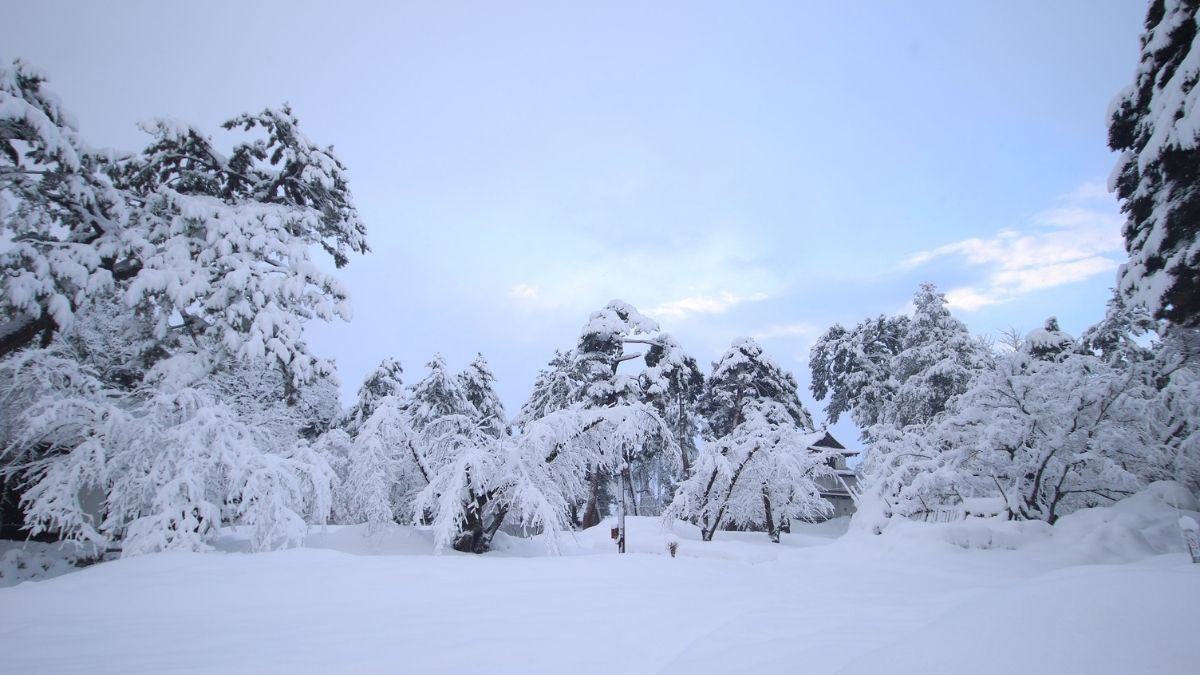
Aomori City is the snowiest city in the world with a population of over 100,000 people. The city's location between the Hakkoda Mountains and Mutsu Bay means that it gets an average of almost 8 meters (26 feet) of snow each year. The city uses a lot of snow-melting technology on its roads to keep the city running. It is a great example of how to plan cities in very cold weather.
Check Out - List of Top 7 Animals that Turn White in Winter: Revealed
Which is the Coldest Place on Earth Right Now?
The lowest surface temperatures on Earth are recorded on the East Antarctic Plateau, where NASA satellite data has measured temperatures dropping to -93.2 degrees Celsius (-136°F). This uninhabited ridge remains permanently frozen. Oymyakon in Russia has the coldest temperatures of any inhabited settlement. Temperatures often drop below -50 degrees Celsius in the winter. The coldest place on Earth right now is Antarctica. But Siberian settlements are the most extreme places where people live.
Check Out - What are Snowflakes? Know all about Snow Shape, Size, and Color
The analysis of global snowfall data reveals that the snowiest places on earth are defined by specific topographical and maritime conditions rather than extreme cold alone. Japan and the United States dominate these meteorological rankings, hosting both the snowiest urban centers and the highest accumulation peaks. These places, such as Aomori's sea-effect snows and Mount Rainier's Pacific storms, are great for learning about extreme weather all over the world.






Comments
All Comments (0)
Join the conversation