Which is the Most Powerful River in the World?
Strongest River in the World: The Amazon River in South America is the most powerful globally, defined by its immense average discharge of around 209,000 m³/s. It carries more water than the following seven largest rivers combined, accounting for up to 20% of all global riverine discharge into the oceans. It flows through countries like Brazil and Peru, and its vast basin spans ~7 million km².
Rivers are the lifeblood of our planet. They have been vital to human civilisation, with many ancient cultures, such as those in Mesopotamia and Egypt, rising along their fertile banks thousands of years ago. Rivers provide essential drinking water, support agriculture through irrigation, and act as natural highways for trade and transportation. The Nile River in Africa is generally known as the longest river, stretching approximately 6,650 kilometres.

In contrast, the Amazon River in South America is the largest by water volume and is also home to the most incredible biodiversity. The Congo River in Central Africa is considered the deepest, plunging to depths of over 220 metres. Do you know which is the most powerful river? This river alone pours about one-fifth of all freshwater discharged into the oceans. Its sheer volume exceeds that of the following seven largest rivers combined. In this article, we will take a look at the planet's most formidable waterways and what makes them so powerful.
List of Most Powerful Rivers in the World by Water Flow
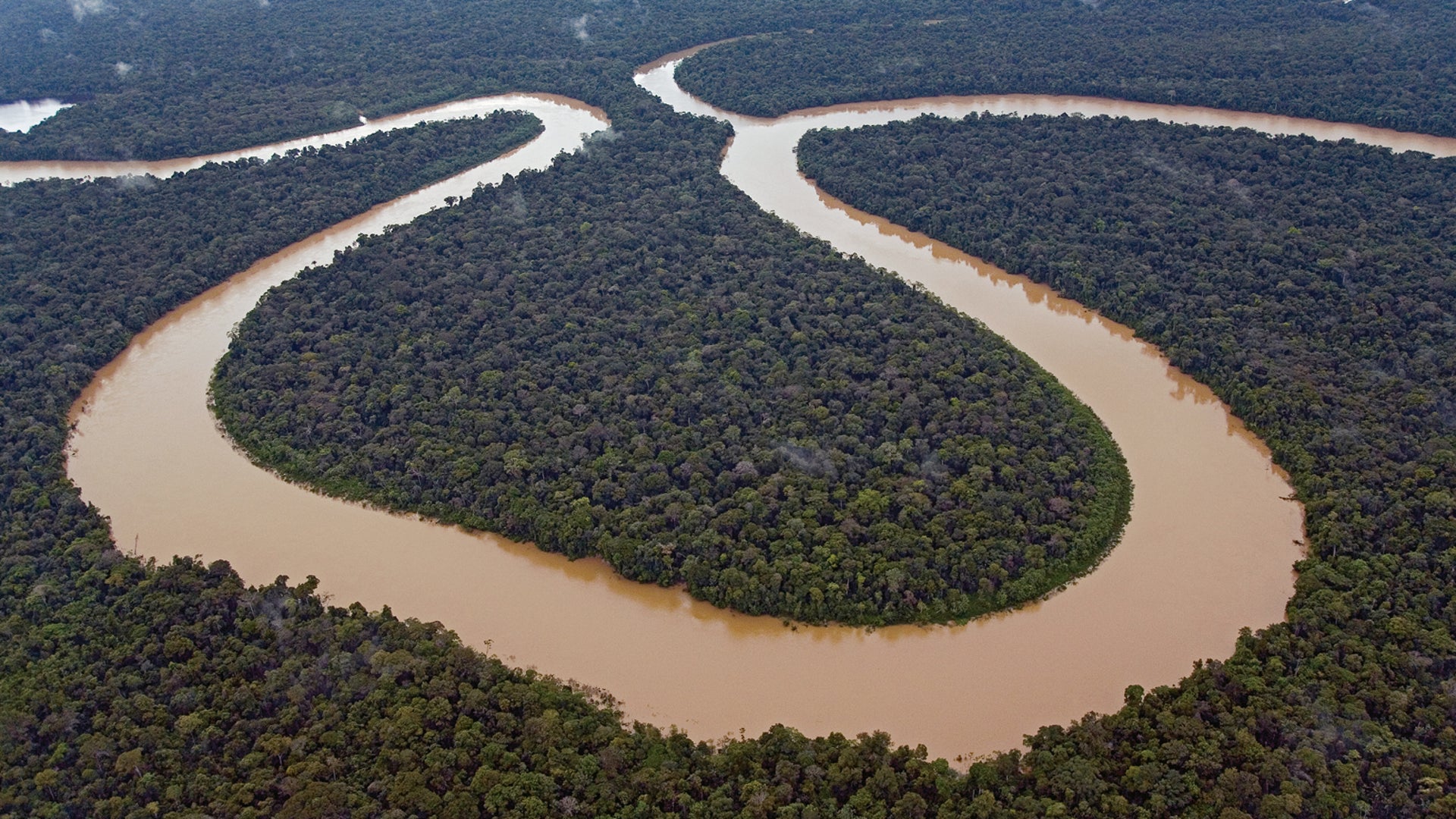
The power of a river is best measured by its average discharge, the sheer volume of water it moves every second. This incredible flow sustains life, generates energy, and dramatically shapes the landscape. The following table presents the world's 10 most voluminous rivers:
| Rank | River (Continent) | Average Discharge (m³/s) | Length (km) | Key Locations |
| 1 | Amazon (South America) | ~209,000 | 6,400 | Brazil, Peru, Colombia |
| 2 | Congo (Africa) | ~41,000 | 4,700 | Democratic Republic of the Congo, Republic of Congo |
| 3 | Ganges–Brahmaputra–Meghna (Asia) | ~38,000 | 2,520 - 3,000 | India, Bangladesh, Tibet |
| 4 | Orinoco (South America) | ~37,000 | 2,250 | Venezuela, Colombia |
| 5 | Yangtze (Asia) | ~31,900 | 6,300 | China |
| 6 | Madeira (South America) | ~31,200 | 3,250 | Brazil, Bolivia |
| 7 | Rio Negro (South America) | ~28,400 | 2,250 | Colombia, Venezuela, Brazil |
| 8 | Yenisey (Asia/Russia) | ~19,600 | 5,539 | Mongolia, Russia |
| 9 | Lena (Asia/Russia) | ~17,000 | 4,400 | Russia |
| 10 | Tocantins (South America) | ~13,600 | 2,640 | Brazil |
Key Takeaways
- The Amazon River dwarfs all others, discharging more water (~209,000 cubic metres per second) than the following seven rivers combined. It contributes one-fifth of all freshwater poured into the world's oceans.
- Three of the top ten rivers (Madeira, Rio Negro, and Tocantins) are either major tributaries of the Amazon or flow near its basin, highlighting the overwhelming volume of the South American river system.
- The Yangtze is Asia's longest river, crucial for feeding over 400 million people, while the Ganges–Brahmaputra–Meghna system creates the world's largest river delta.
- Depth and Hydroelectric Power: Africa's Congo River, the second-largest by volume, is also the world's deepest river and a significant source of hydroelectric power.
- The Russian rivers, Yenisey and Lena, are mighty cold-water arteries, transporting vast amounts of water and ice melt into the Arctic Ocean.
Which is the Most Powerful River in the World?

The most powerful river in the world is the Amazon River in South America. A river's power is measured by its average discharge, which is the sheer volume of water it moves per second.
Discharge and Volume
| Metric | Value | Equivalent |
| Average Discharge | ~209,000 m³/s | ~7.4 million cubic feet per second |
| Max Discharge (Wet Season) | Up to ~300,000 m³/s | |
| Global Freshwater Share | 15% to 20% | Greater than the following seven largest rivers combined. |
Physical Dimensions
| Metric | Value (Metric) | Value (Imperial) | Notes |
| Length | ~6,400 to 6,992 km | ~4,000 to 4,345 miles | Second longest in the world (after the Nile). |
| Drainage Basin Area | ~7.0 million km² | ~2.7 million mi² | The largest drainage basin in the world. |
| Width (Dry Season) | 3.2 to 9.6 km | 2 to 6 miles | |
| Width (Wet Season/Flood) | Up to 48 km | Up to 30 miles | |
| Maximum Depth | ~150 m | ~490 feet | Varies greatly; average depth ~20 to 50 m. |
Geographical Flow and Tributaries
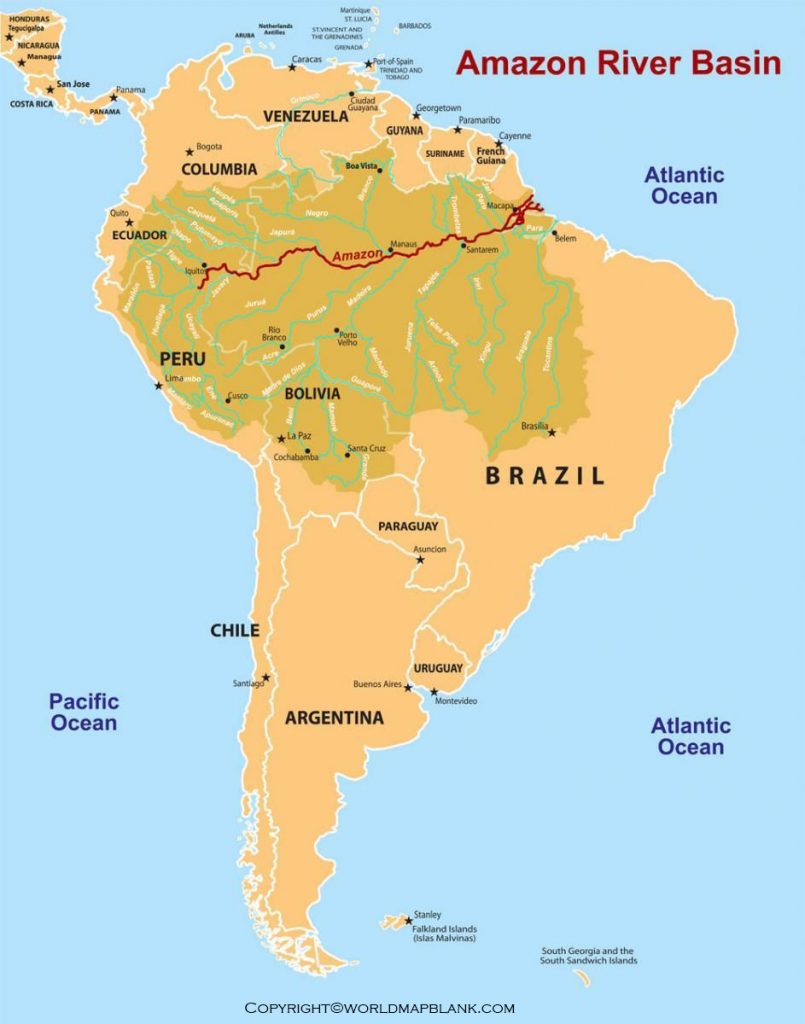
- Source: The river originates high in the Andes Mountains of Peru. The generally accepted farthest source is the Apurímac River system, specifically Apacheta Creek on Mount Mismi, at an elevation of approximately 5,170 metres (16,962 feet).
- Countries: The river's vast basin spans eight countries: Brazil, Peru, Colombia, Venezuela, Ecuador, Bolivia, Guyana, and Suriname. The majority of the main river course flows through Brazil.
- Flows To: The Amazon flows eastward across South America and empties into the Atlantic Ocean on the northeastern coast of Brazil. Its colossal discharge significantly lowers the ocean's salinity for up to 200 kilometres (124 miles) offshore.
- Key Tributaries: The Amazon is fed by over 1,100 tributaries, 17 of which are over 1,500 km (930 miles) long. Notable major tributaries include:
- Madeira River
- Rio Negro (the largest blackwater river)
- Japurá River
- Purus River
- Xingu River
- Tapajós River
- Ucayali River
- Marañón River
The Amazon alone accounts for about 20% of all freshwater discharged from rivers worldwide into the Atlantic Ocean. Its incredible flow is fuelled by the vast rainfall over its colossal drainage basin in the Amazon rainforest.

Kriti Barua is a skilled digital journalist and communications professional with 4+ years of experience, currently writing for the General Knowledge section at Jagran New Media. She has established herself as a subject matter expert in History, Geography, Trending National and International News, Sports, Science, and Defence, producing clear, reliable, and search-optimised content that connects with readers worldwide.
Kriti holds a BA degree from Delhi University and a one-year diploma in TV Production and Journalism, an academic background that adds research depth and strong storytelling instincts to her writing. Her experience spans brand writing, content marketing, and digital media, giving her a sharp understanding of what makes content both helpful to readers and visible in search.
At Jagran New Media, she applies this expertise to national and international news coverage, query-based articles, and in-depth pieces across her specialist subject areas. Her content is defined by easy language, factual accuracy, strong keyword strategy, and reader-friendly storytelling.


-1791791935521_t.webp)
-1791789995463_t.webp)


.jpg)

![[चेक करें] GDS 1st Merit List 2026: इंडिया पोस्ट जीडीएस पहली मेरिट लिस्ट डायरेक्ट लिंक जल्द, रिजल्ट PDF में ऐसे देखें अपना नाम](https://img.jagranjosh.com/images/2026/October/11102026/GDS-Merit-List-2026.jpg)