Which River Is Known as the Yellow River?
Huang He is known as the Yellow River. It is China’s second-longest river, famous for its yellow silt, floods and historical importance. Keep reading in detail about the Yellow River in China.
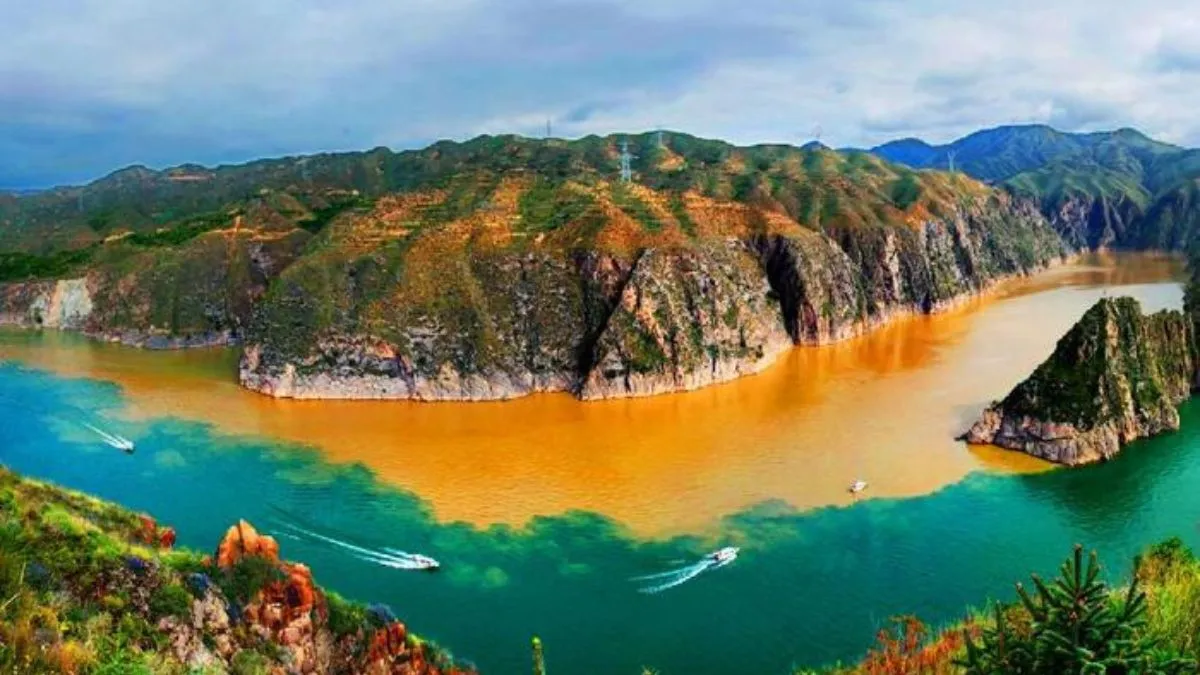
Yellow River: The Huang He in China is known as the Yellow River. It is one of the most important rivers in Asia and plays a major role in China’s history, agriculture, and economic development.
Why Is the Huang He Called the Yellow River?
The river gets its name from the large quantity of yellow loess sediment it carries. This fine soil mixes with the water and gives the river its distinctive yellow-brown colour, especially visible in the middle and lower stretches of the river.
Origin and Course of the Yellow River
The Yellow River originates in the Bayan Har Mountains on the Tibetan Plateau. It flows across northern China through nine provinces and autonomous regions before finally emptying into the Bohai Sea. The river’s total length is approximately 5,464 kilometres.

Second-Longest River in China
The Yellow River is the second-longest river in China, after the Yangtze River. Despite being shorter than the Yangtze, it holds greater historical importance due to its role in the early development of Chinese civilisation.
Importance of the Yellow River
The Yellow River is often called the cradle of Chinese civilisation. Early Chinese dynasties, farming communities and ancient cities developed along its basin because of fertile land and reliable water resources.
Sediment Load and River Behaviour
Huang He carries one of the highest sediment loads of any river in the world. The loose loess soil erodes easily and accumulates in the riverbed, raising water levels and increasing the risk of floods.
Flood History of the Yellow River
The Yellow River has caused some of the most destructive floods in history. Because the riverbed rises due to sediment deposition, the river has frequently overflowed and even changed its course, affecting large populations.

Interesting Facts About the Yellow River
Second-Longest River in China
The Yellow River ranks second in length in China and remains one of the country’s most culturally and historically significant rivers.
Cradle of Ancient Chinese Civilisation
Several early Chinese dynasties emerged along the Yellow River basin, making it central to China’s political and cultural origins.
Highest Sediment Concentration
The Yellow River carries more sediment per cubic metre than most rivers globally, which directly affects its colour and flood patterns.
Frequent Flooding and Course Changes
Due to heavy sediment buildup, the river has shifted its course multiple times over centuries, reshaping landscapes and settlements.
Supports Large Population
Millions of people depend on the Yellow River for drinking water, irrigation, agriculture and industrial use.
Read more: Which River Is Known as the Holy River of India?
Huang He in China is known as the Yellow River and is the second-longest river in the country. The river basin supports farming, dams, hydroelectric projects and industrial development across northern China. Keep reading for more such topics.

Jasreet Kaur is a journalist with over 3 years of experience in digital media and news content creation. She specializes in covering Trending News, including major National and International developments, with a focus on delivering accurate, engaging, and reader-friendly stories. Prior to this, she worked with Zee News as a Content Writer, where she gained extensive experience in news reporting and content strategy. Driven by curiosity, credibility, and a passion for impactful journalism, Jasreet aims to contribute to informed public discourse while supporting positive growth in organizations, society, and the world.


-1791776998730_t.webp)




![[चेक करें] GDS 1st Merit List 2026: इंडिया पोस्ट जीडीएस पहली मेरिट लिस्ट डायरेक्ट लिंक जल्द, रिजल्ट PDF में ऐसे देखें अपना नाम](https://img.jagranjosh.com/images/2026/October/11102026/GDS-Merit-List-2026.jpg)